From the Lab to the Finish Line: HELU Cabling Helps Power Illini Solar Car’s Calypso
See how the University of Illinois Illini Solar Car team used HELU cabling solutions to improve reliability, efficiency, and performance in the award-winning Calypso solar race car.

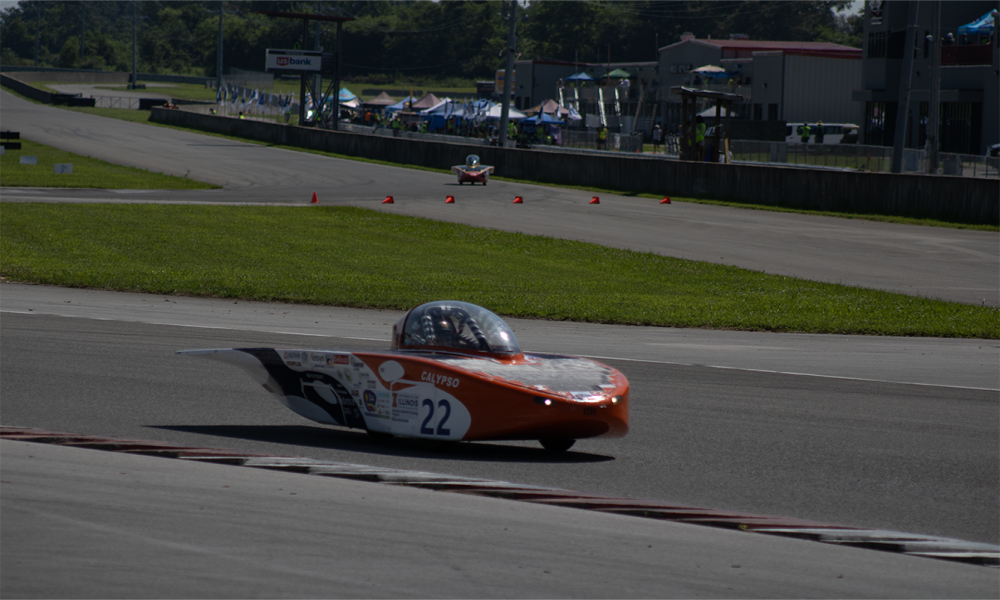
When the Illini Solar Car team from the University of Illinois Urbana-Champaign unveiled Calypso, their third-generation solar-electric race car, the goal was ambitious from the start. The student-led engineering team set out to design a vehicle that could push efficiency, endurance, and reliability further than ever before in collegiate solar racing.
That effort paid off in a major way.
After debuting at the 2024 American Solar Challenge, Calypso returned to competition at the 2025 Formula Sun Grand Prix and earned a first-place finish in the Single Occupant Vehicle (SOV) class. Over the course of the three-day endurance event at NCM Motorsports Park in Bowling Green, Kentucky, the team completed 223 laps, covering more than 700 miles and setting a new lap record for the class.
For HELU, the project represented an opportunity to support the next generation of engineers working at the intersection of renewable energy, advanced vehicle design, and high-performance electrical systems.
Building a More Efficient Solar Car
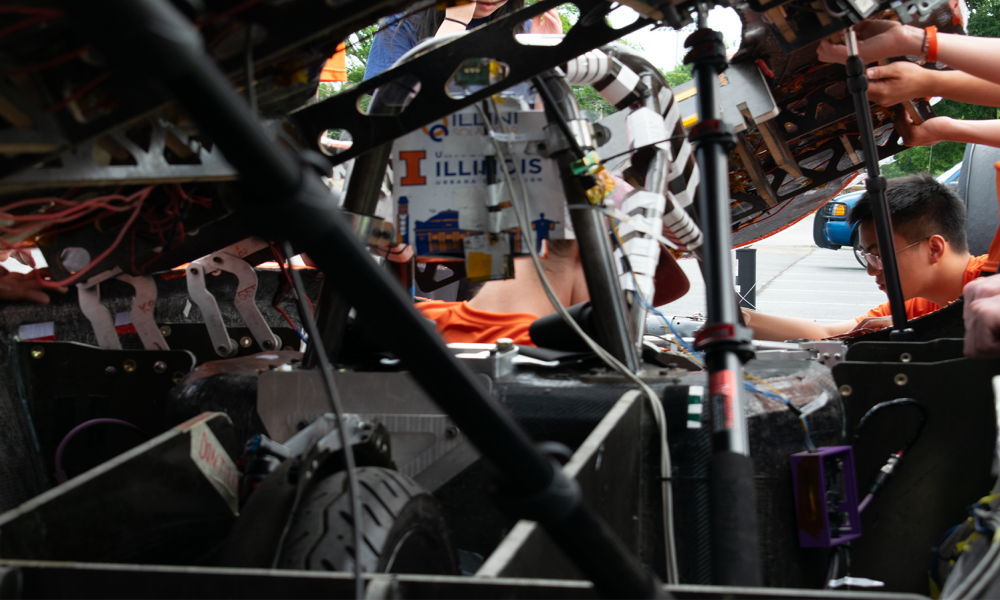
The design process for Calypso began in 2021, with manufacturing starting in 2022 and the final vehicle completed in 2024. Unlike the team’s previous four-wheel platform, Calypso adopted a three-wheel configuration designed to maximize aerodynamic efficiency while reducing rolling resistance and overall weight.
The vehicle utilized a lightweight carbon fiber monocoque structure designed to maximize strength while minimizing weight, helping improve both efficiency and durability during endurance racing conditions. According to the team, Calypso became their “most reliable and most efficient car yet,” representing years of iterative engineering improvements across vehicle architecture, aerodynamics, electrical systems, and energy management.
The vehicle was developed specifically for endurance-focused solar racing competitions such as the American Solar Challenge and Formula Sun Grand Prix. These events challenge collegiate teams to design, build, and race solar-powered vehicles capable of operating efficiently across long distances and changing environmental conditions.
According to the Illini Solar Car team, reliability became one of the defining priorities throughout the project. During the 2024 American Solar Challenge, the team was running near podium position before late-race reliability issues forced them to trailer the vehicle for the final stretch of the event. The setback became a major learning moment that shaped the team’s engineering priorities heading into 2025.
The result was a more refined and dependable platform capable of maintaining competitive speeds while minimizing downtime and energy loss during race conditions.
Why Cabling Reliability Matters in Solar Racing
In a solar race vehicle, every electrical component plays a critical role in overall performance. Wiring systems must operate reliably while exposed to vibration, heat, tight routing paths, and constant movement throughout the chassis.
The Illini Solar Car team utilized HELU products extensively throughout Calypso, particularly in applications where reliability and flexibility were critical.
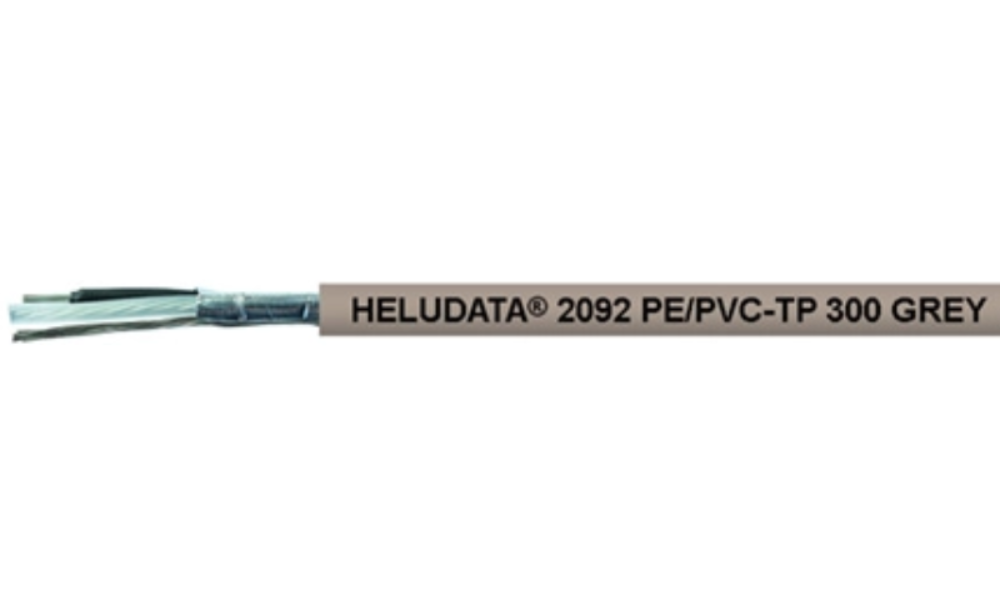
For longer wire runs connecting ancillary systems across the vehicle, the team implemented the HELUDATA® 2092 PE/PVC-TP 300 GRAY 2C AWG22 cable. These connections stretched across large sections of the car and required dependable signal integrity despite vibration and continuous operation during racing conditions.
The team also relied on HELU high-voltage wiring throughout the solar power system. Because solar race vehicles continuously collect and distribute energy from the solar array, cable reliability was considered especially important for both performance and safety.
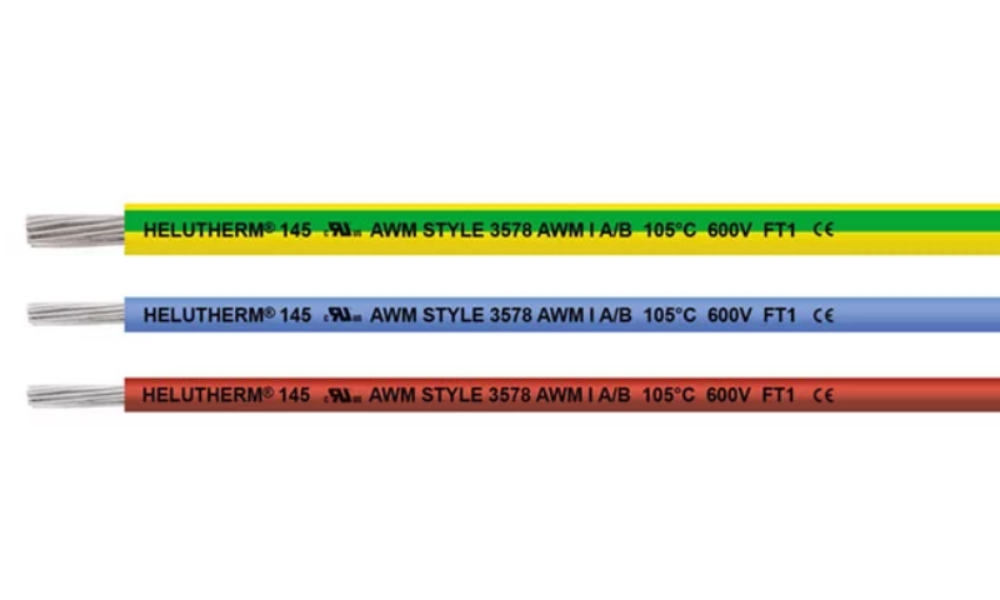
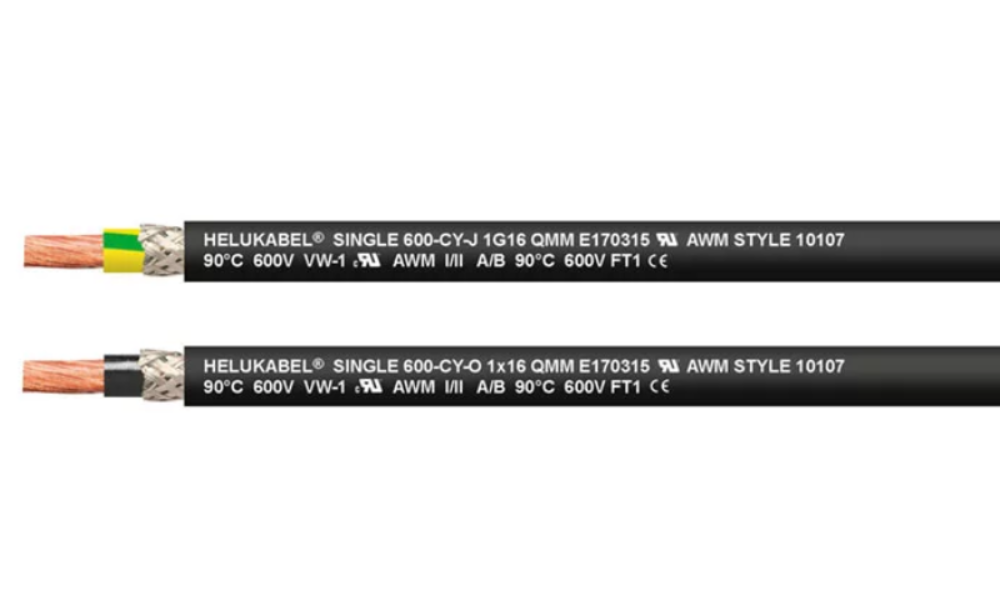
Additional products used within the vehicle included AWG6 HELUTHERM® 145 and AWG4 Single 600-CY-O single conductor cables. According to the team, these products were selected not only for electrical performance, but also for their flexibility and durability inside the compact vehicle architecture.
Routing cable through a solar race car presents unique packaging challenges. Engineers often work within extremely tight spaces while balancing weight distribution, aerodynamic constraints, and thermal management requirements. Flexible cabling can significantly simplify installation while improving long-term reliability in hard-to-service areas of the vehicle.
Team members also focused heavily on improving electrical efficiency throughout the vehicle. According to the team, refinements to the battery, solar array, and low-voltage systems helped eliminate several limitations present in previous generations of the car.
“The realization of our third-generation solar electric vehicle, Calypso, owes its existence to the invaluable support of the University and our sponsors,” said Clark Taylor, Director of Operations for Illini Solar Car.
For the Illini Solar Car team, reducing the risk of electrical failures became a major focus after the 2024 season. That emphasis helped contribute to a far more successful 2025 campaign.
Why Cabling Reliability Matters in Solar Racing
In a solar race vehicle, every electrical component plays a critical role in overall performance. Wiring systems must operate reliably while exposed to vibration, heat, tight routing paths, and constant movement throughout the chassis.
The Illini Solar Car team utilized HELU products extensively throughout Calypso, particularly in applications where reliability and flexibility were critical.
For longer wire runs connecting ancillary systems across the vehicle, the team implemented the HELUDATA® 2092 PE/PVC-TP 300 GRAY 2C AWG22 cable. These connections stretched across large sections of the car and required dependable signal integrity despite vibration and continuous operation during racing conditions.
The team also relied on HELU high-voltage wiring throughout the solar power system. Because solar race vehicles continuously collect and distribute energy from the solar array, cable reliability was considered especially important for both performance and safety.
Additional products used within the vehicle included AWG6 HELUTHERM® 145 and AWG4 Single 600-CY-O single conductor cables. According to the team, these products were selected not only for electrical performance, but also for their flexibility and durability inside the compact vehicle architecture.
Routing cable through a solar race car presents unique packaging challenges. Engineers often work within extremely tight spaces while balancing weight distribution, aerodynamic constraints, and thermal management requirements. Flexible cabling can significantly simplify installation while improving long-term reliability in hard-to-service areas of the vehicle.
Team members also focused heavily on improving electrical efficiency throughout the vehicle. According to the team, refinements to the battery, solar array, and low-voltage systems helped eliminate several limitations present in previous generations of the car.
“The realization of our third-generation solar electric vehicle, Calypso, owes its existence to the invaluable support of the University and our sponsors,” said Clark Taylor, Director of Operations for Illini Solar Car.
For the Illini Solar Car team, reducing the risk of electrical failures became a major focus after the 2024 season. That emphasis helped contribute to a far more successful 2025 campaign.
Student Engineering in the Real World
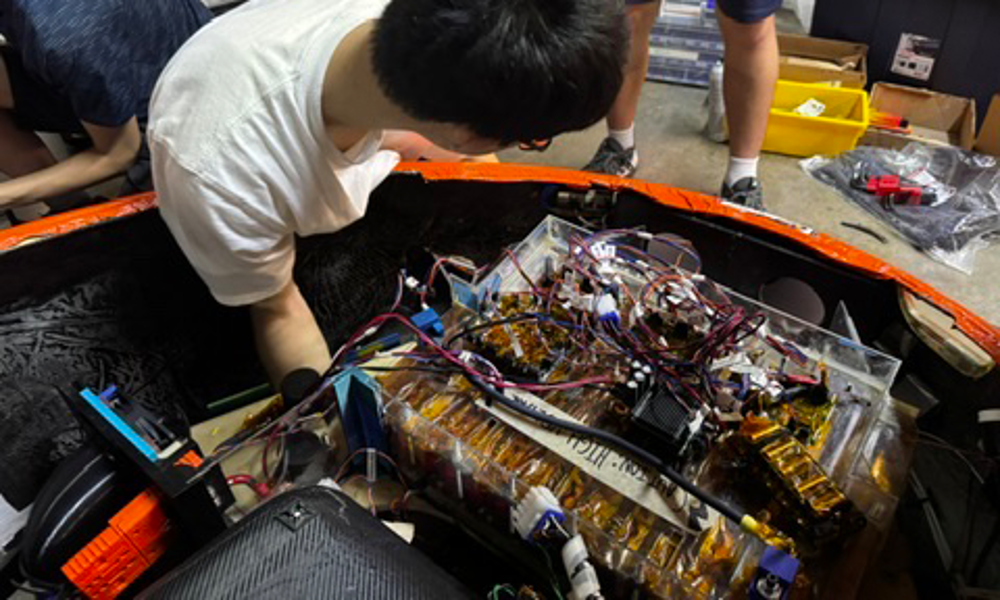
Beyond competition results, projects like Calypso give students direct experience solving real engineering challenges under demanding conditions. Team members are responsible for everything from electrical integration and composite manufacturing to telemetry, thermal management, and race strategy.
That hands-on environment mirrors many of the same reliability and performance challenges found in industrial automation, renewable energy, and advanced manufacturing applications today.
“Our focus as an electrical team for Calypso is to make a more efficient system,” said Ryder Hejl of the Illini Solar Car electrical team. “We improved upon inefficiencies in our battery, array, and low-voltage system that were limiting us in previous vehicles.”
Engineering Under Pressure
The Formula Sun Grand Prix is not simply a speed competition. Teams must carefully manage energy consumption, battery strategy, driver swaps, and mechanical reliability over multiple days of racing.
During the 2025 event, Calypso initially battled closely with Stanford for first place before electrical issues forced the team to temporarily reduce pace. Rather than ending their run, the vehicle remained operational long enough for the team to recover and reclaim the lead before securing victory on the final day.
The team’s ability to complete the event without requiring additional pit stops outside of scheduled driver changes demonstrated the reliability improvements made throughout the vehicle’s electrical systems and overall design.
Today, the Illini Solar Car team continues development efforts on its next-generation platform while building on the success of Calypso.
For HELU, the partnership highlights how advanced cabling solutions support innovation far beyond traditional industrial environments. From factory automation systems to high-performance solar race vehicles, reliable electrical connectivity remains essential wherever performance and efficiency matter most.
About the Illini Solar Car Team
Illini Solar Car is a student-led engineering organization at the University of Illinois Urbana-Champaign dedicated to designing, building, and racing solar-electric vehicles. Bringing together students from a variety of engineering and technical disciplines, the team provides hands-on experience in areas including electrical systems, mechanical design, aerodynamics, composites, software, and race strategy. Through competitions such as the American Solar Challenge and Formula Sun Grand Prix, team members put their designs to the test while developing practical engineering skills beyond the classroom.