


Control Cables: Multicore Wiring for Control Equipment
What are control cables?
Control cable is a flexible, multicore PVC cable used to wire control equipment rather than carry primary power. HELU Australia's range is manufactured to AS5000.1, rated at 90°C, and built with an earth conductor as standard. although we offer a non-earth version.
What we have to offer—At a glance
Multicore construction: Multiple numbered cores laid up together, so individual control circuits stay identifiable and organised throughout the run.
90°C-rated conductors: Manufactured to AS5000.1 for reliable performance in control and automation circuits.
Earth conductor as standard: A dedicated green/yellow earth core included in the standard full-earth range.
Flexible stranded copper conductors: Fine-stranded copper for ease of routing and termination within control panels and cabinets.
Sequentially numbered cores: Cores are numbered for straightforward identification during installation and fault-finding.

| Product | Temperature | Number of Cores | Cross-Section | Data Sheet |
| HELUCONTROL® JZ-535 PVC GREY | -40oC to 90oC | 3-50 | 0.5-10 | Control cable |
| HELUCONTROL® OZ-535 PVC GREY | -40oC to 90oC | 2-5 | 0.5-2.5 | Control cable No earth |
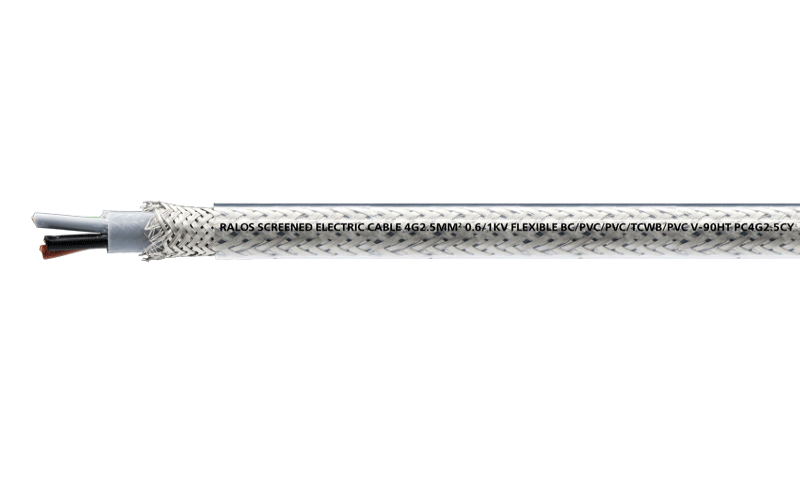
| HELUCONTROL® JZ-536 Screened Control Cable | -40oC to 90oC | 5-7 | 0.5-2.5 | Control Screened |
Enquire about our Control cables range
Design and construction of control cables
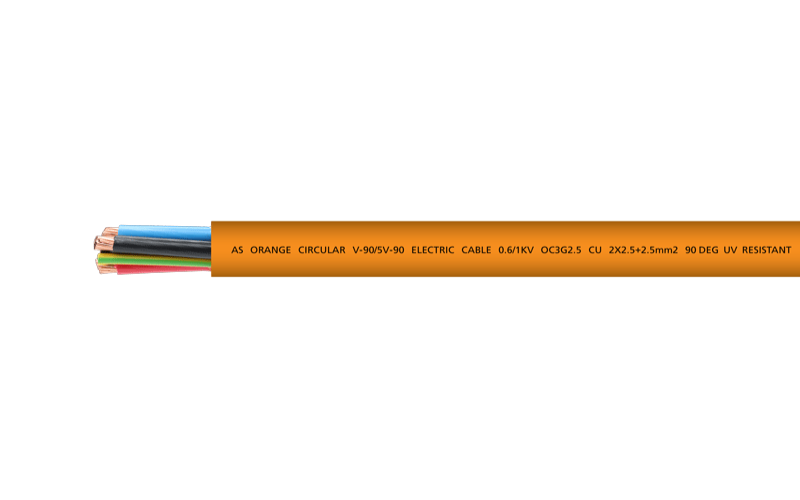
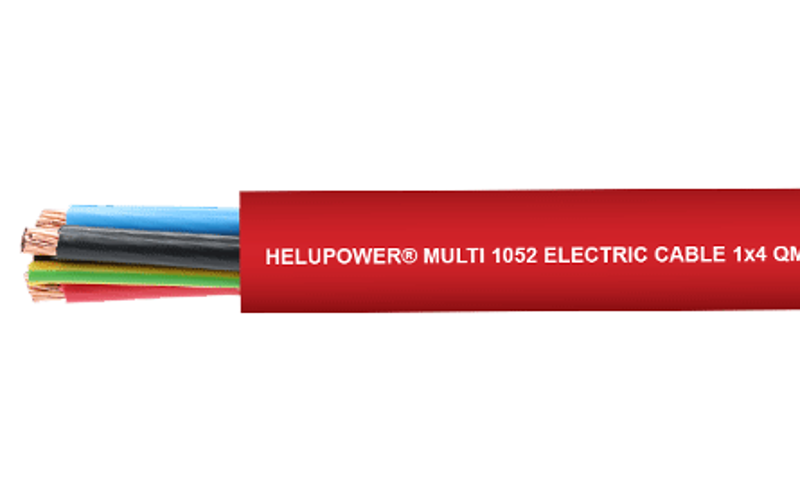
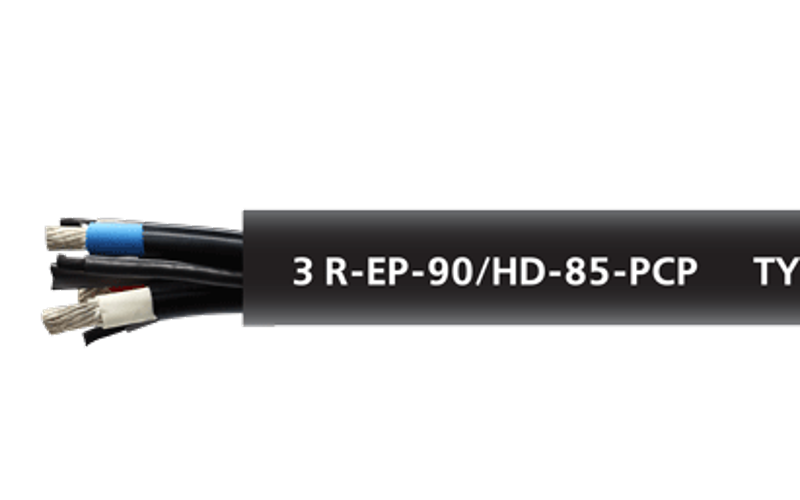
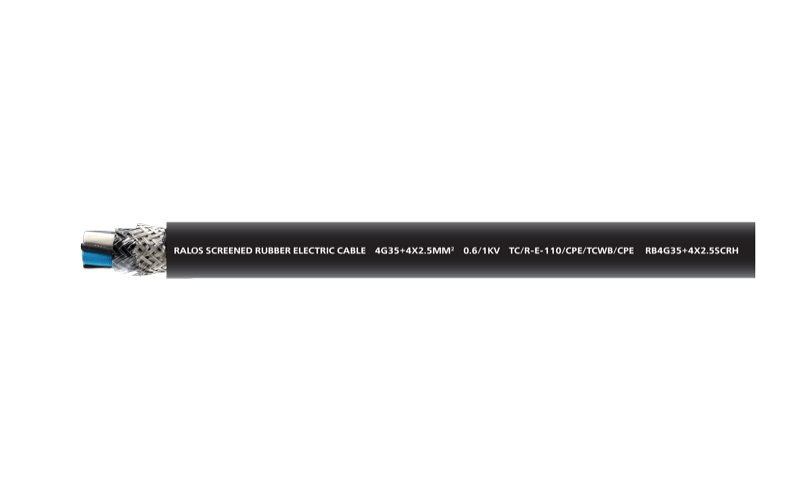
Control cable is built from multiple flexible, stranded copper conductors, individually PVC-insulated and sequentially numbered so each core can be quickly identified. The numbered cores are laid up together and finished with a protective PVC outer sheath, with a green/yellow earth core included as standard in the full-earth range. Screened variants add a braided layer to protect signals from electromagnetic interference.
Applications for control cables
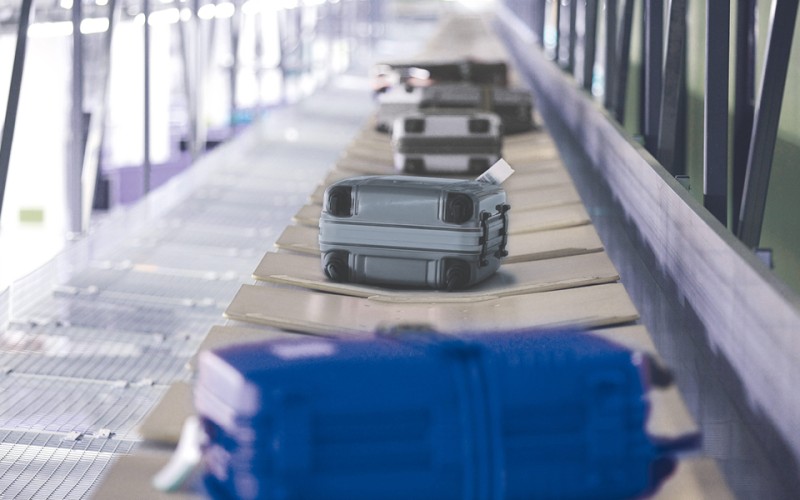
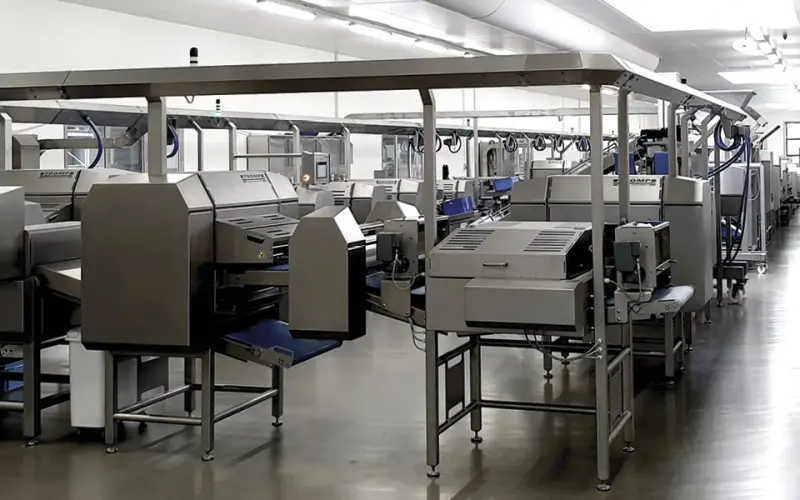
Control cable is used to wire the low-voltage circuits that operate switchgear, relays, motor starters, and other control equipment in switchboards, control panels, and automation systems. Its multicore, numbered construction makes it well suited to circuits with many individual control or signal connections that need to stay organised and traceable, across industrial, commercial, and infrastructure installations.
FAQ
What's the difference between control cable and power cable? Control cable is a multicore cable designed to carry the low-voltage signals that operate switchgear, relays, and control equipment, rather than the primary power supply itself. It's typically built with more, smaller cores than a power cable, each numbered for easy identification.
Why are the cores numbered? Sequential numbering lets each core be quickly identified during installation, testing, and fault-finding, which matters in control wiring where a single cable may carry many separate circuits, which is fully compliant with the Australian Wiring Rules AS/NZS 3000
When would I need the screened variant over the standard full-earth cable? The screened variants are suited to control circuits that run near sources of electromagnetic interference or need extra protection for sensitive signals.