Machine Safety Starts with Making the Right Connections
The new EU Machinery Regulation brings safety, reliability, and documentation back into focus, making selecting the right cables even more important for engineers.

Beginning in January 2027, the new EU Machinery Regulation replaces the previous Machinery Directive. For mechanical and plant engineers, as well as industrial users, this will bring safety, documentation, and reliability back into focus. Even cables and wires will play their own role in this.
With Regulation (EU) 2023/1230 on machinery, the European Union is creating a new legal framework for putting machinery and its related products into circulation. It comes into effect on the 20th of January 2027 and applies to all EU Member States and replaces the previous Machinery Directive 2006/42/EG.
The goal of the new regulation is to make machinery safer and to adjust legal frameworks according to modern technologies. This includes networked machines, digital operating instructions, software related to safety, topics pertaining to cyber security, and applications utilising artificial intelligence. For machine builders, this means that, going forward, closer attention must be paid to safe construction practices for the entire machine. These must also be documented and verified.
The Cable’s Role in Machine Safety
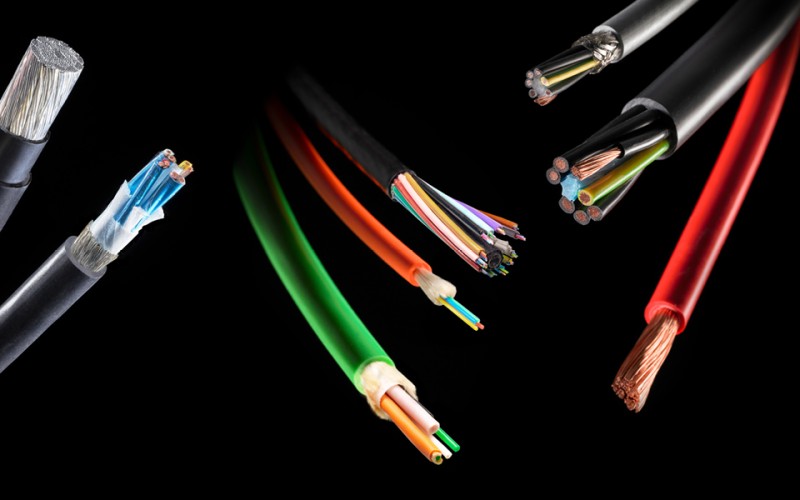
Cables and wires are not typically included in Machinery Regulations as their own, individual product category. However, as a component of machines’ electrical equipment, they are often relevant in terms of safety and function. They transmit energy, signals, and data, supply power to drives, sensors, and actuators, and make up the foundations for reliable control and communication processes.
In demanding industrial applications, specifically, cables must be able to endure consistent high loads. These include movements, torsion, temperature, moisture, oil, chemicals, electromagnetic interference, or mechanical loads, which can impact their lifespan and operational safety. If cables are selected that are not optimal for the application, it can lead to disruptions, unplanned stoppages, or in the worst-case, to critical safety failures.
This is why selecting the right cables is critical element when building reliable and safe machinery.
What Mechanical Engineers Should Pay Attention To
With regard to the new Machinery Regulation, it is recommended that cables and connection technology are involved early in construction and risk analysis. It is important that the components used are appropriate for the application and environment at hand.
Some important selection criteria include:
- Electrical requirements such as voltage, current carrying capacity, and screening
- Mechanical loads from movement, bending, or torsion
- Environmental conditions such as temperature, oil, chemicals, or UV radiation
- EMC requirements and interference-proof data transmission
- Use in drag chains , robotics , servo motors, or automation systems
- Standards, approvals, and technical documentation
Comprehensibility is even gaining in importance. Technical data sheets, tests, certificates, and standardised product selection support engineers fulfil the requirements for documentation in structured manner.
HELU Is Here To Help With Connection Technology From a Single Source
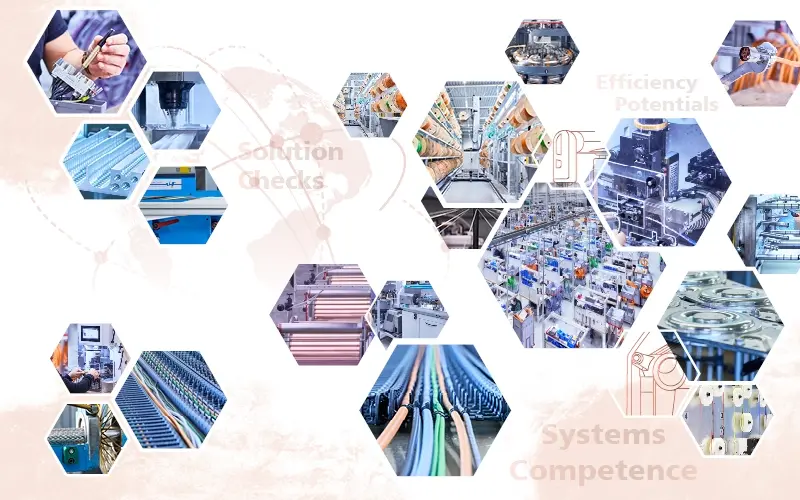
HELU offers mechanical and plant engineers, as well as industrial users, a vast portfolio of cables, wires, and other electrical connection technology for building modern machinery. This includes control, motor, servo, data, network, bus, robotics, and drag chain cables , as well as an expansive selection of cable glands, connectors, and drag chain systems .
In addition to a comprehensive range of standard solutions with high availability, HELU also develops custom solutions according to individual requirements. In this way, users are able to procure all of the electrical connection technology they need from a single source, including cables, accessories, and ready-to-install system solutions.
The new EU Machinery Regulation makes one thing clear: safety, reliability, and documentation don’t just begin with the final CE label. They begin with the planning and selection of the right components, which includes the significant role played by cables and wires.
Note: The responsibility for the conformity of a machine remains with the respective manufacturer or distributor. HELU supports customers in selecting suitable cables, wires, and connectors for each individual application.