


What is the average lifespan of a control cable?
As a control cable supplier, we often receive questions about how many years control cables can operate at maximum capacity. In fact, there is no universal answer for all cases, and there are many factors that determine the lifespan of this type of cable.
1. Why is the lifespan of control cables important?
In modern industrial systems, control cables play a crucial role in transmitting signals between devices such as PLCs, sensors, electrical cabinets, and automation systems. When control cables degrade, the system can experience various problems such as control signal interference, communication errors between devices, or unplanned production line shutdowns. Therefore, understanding the average lifespan of control cables and selecting the appropriate type of cable from the outset is essential to ensuring stable system operation over the long term.
In essence, the lifespan of control cables is the result of a complex interaction between material properties, environmental conditions, and operating stresses. While systems typically adhere to certain standards, proactive design considerations and maintenance measures can significantly extend their operational life.
Understanding product lifecycle principles will help engineers make informed decisions about cable specifications, implement effective maintenance programs, plan strategic infrastructure upgrades, and minimize production disruptions.
2. Factors affecting the lifespan of control cables
The following factors significantly impact the durability of control cables over time:
2.1. Environmental conditions
The installation environment has a significant impact on the lifespan of control cables. For example, if the cable is exposed to extreme temperatures, the insulation will degrade more quickly. High temperatures can make the insulation brittle, while low temperatures can cause it to crack.
Similarly, in a factory environment with many chemicals and humidity, the outer sheath of the cable can corrode. Chemicals can corrode the insulation, leading to short circuits and other problems. Conversely, in a clean and dry environment, the cable can be used for a longer period of time.
2.2. Electrical load
The current flowing through the cable is crucial. If constantly overloaded, the cable will generate more heat. Heat is the enemy of cables because it accelerates the aging process of the insulation. Just as rubber loses its elasticity when stretched excessively, the insulation on a cable can also be damaged by excessive electrical stress.
2.3. Mechanical stress
Control cables can also be damaged by mechanical stress, such as bending, twisting, and pulling. If the cable is bent too forcefully, the internal conductors and insulation can be damaged. In industrial environments, cables are often in constant motion, so if they are not installed or protected properly, they can easily be damaged.
2.4. Cable quality
The quality of the constituent materials and the manufacturing process also play a crucial role in determining the cable's lifespan. High-quality control cables are made with better insulation materials and stronger conductors, designed to withstand harsher conditions and have a longer lifespan. For example, HELU's JZ-HF control cable is made with premium materials that offer superior resistance to heat, chemicals, and mechanical stress, making it suitable for use in cable carrier systems.
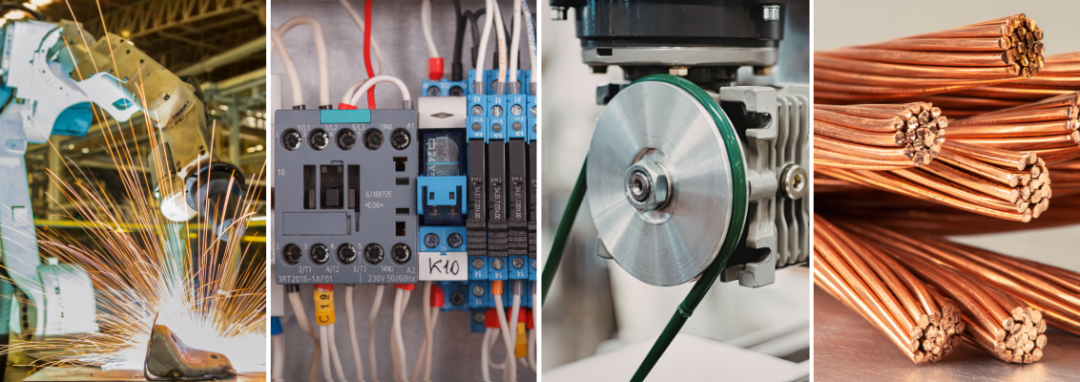
3. Estimated typical lifespan of control cables
On average, a standard control cable, properly installed and maintained, can last from 10 to 20 years. However, this is only a rough estimate. Under ideal conditions, some types of cable can even last longer, up to 30 years or more. Conversely, in industrial applications with harsher conditions, the lifespan may be closer to 10 years. For example, in a chemical plant, where cables are exposed to corrosive chemicals and high temperatures, the cables need to be replaced more frequently.
According to research, the average lifespan of control cables typically ranges as follows:
- General industrial applications: 15 - 25 years
- Moderate environmental stress: 10 - 20 years
- Harsh operating conditions: 5 - 15 years
- Indoor commercial installations: 20 - 30 years
Additionally, the lifespan of control cables can be significantly reduced depending on the specific application conditions:
- Offshore projects: 30% reduction
- Mining operations: 40 - 50% reduction
- Chemical plants: 35 - 45% reduction
- Continuous bending environment: 70 - 90% reduction
- Robotics: 60 - 80% reduction
- Cable carriers: 50 - 70% reduction
4. How to extend the lifespan of control cables?
The lifespan of control cables can be extended if you apply the following methods:
4.1. Choose high-quality cables
Selecting control cables made from high-quality materials is the first step in ensuring a long system lifespan. Cables manufactured with durable insulation and sheathing will be better able to withstand harsh industrial environments such as high temperatures, vibrations, oil, and chemicals. Additionally, an optimally designed cable structure contributes to maintaining stable control signals throughout operation.
When choosing cables, prioritize products that meet international technical standards such as IEC, VDE, or UL and come from reputable manufacturers. Standard-compliant cables undergo rigorous testing for mechanical strength, heat resistance, and insulation stability, thereby reducing the risk of failure during use. In environments with many high-power electrical devices, using shielded control cables is also crucial for maintaining stable signals.
4.2. Proper installation
Proper installation of control cables is extremely important. Cables need to be installed with the right amount of slack to avoid excessive tension, and they also need to be guided away from heat sources, chemicals, and mechanical impacts. Typically, many engineers choose to use cable trays or conduits to protect the cables from physical damage.
4.3. Scheduled maintenance
Regular maintenance is an indispensable step in ensuring cable quality. This includes visual inspection for signs of damage, such as cracks in the insulation or loose connections. Electrical testing may also be performed to ensure the cable remains functional.
4.4. Upgrade as needed
As technology advances and equipment requirements change, upgrading control cables becomes essential. Typically, newer cable types offer higher efficiency and better resistance to damage.
4.5. Cable performance monitoring
If possible, use a monitoring system to track the performance of control cables over time. This can help identify any potential problems early and allow for proactive maintenance and replacement. For example, you could use temperature sensors to detect overheating in the cable, or use an insulation resistance tester to monitor the integrity of the cable insulation.
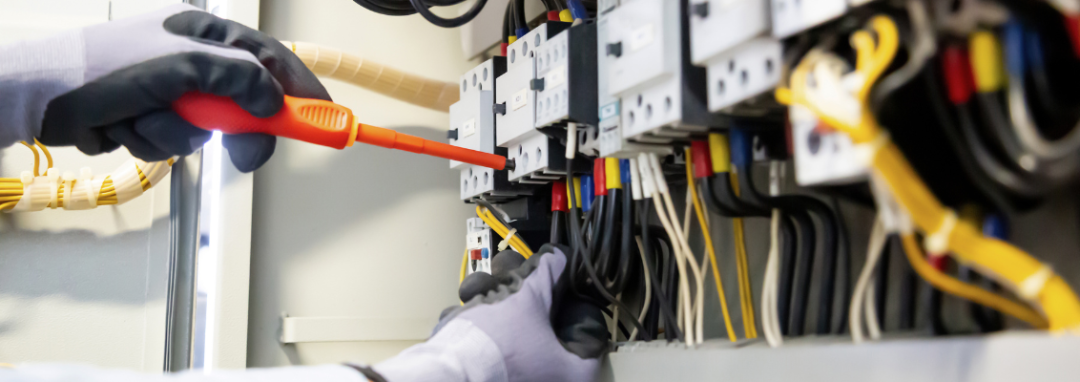
5. Signs that the control cable needs to be inspected or replaced
Over time, control cables can gradually degrade due to environmental factors, mechanical vibrations, or material aging. Early detection of damage signs will allow you to proactively inspect and replace them in a timely manner, preventing disruptions to the system's operation.
One of the most noticeable signs is physical damage to the cable, such as cracks, fraying, breaks, or abnormal twisting of the outer sheath. These damages can degrade the insulation and increase the risk of short circuits or signal interference. Additionally, if rust or corrosion is detected on the cable or related components, this could also indicate prolonged exposure to moisture, chemicals, or harsh environments.
Besides external signs, system performance can also reflect the condition of the control wiring. For example, unstable control signals, slow device response, or frequent PLC and sensor errors may stem from degraded cable quality. In some cases, the cable may become stiff, sticky, or less flexible than its original state, indicating that the material has begun to age.
Additionally, issues such as inaccurate feedback signals, unstable control, or slow system response can also indicate that the control cable is no longer performing as it did initially. If these conditions occur frequently, inspection and reassessment of the cable system are necessary to avoid impacting the reliability of the entire production line.
6. Industrial control cabling solutions from HELU
For industrial systems requiring high stability, many factories choose control cables from us HELU – a German industrial cable brand with nearly 50 years of experience in electrical connections.
HELU's control cables are designed to meet demanding industrial environments, featuring multi-core structures, diverse cross-sections, oil-resistant, abrasion-resistant, and heat-resistant cable sheath materials, and compliance with international standards such as IEC, VDE, and UL…
Thanks to these characteristics, HELU control cables are commonly used in many fields such as automation systems, industrial production lines, robots and electromechanical equipment, and factory control systems. Choosing quality cables from the outset helps ensure stable system operation and reduces maintenance costs throughout the project's lifespan.
Some of HELU's outstanding control cable products include:
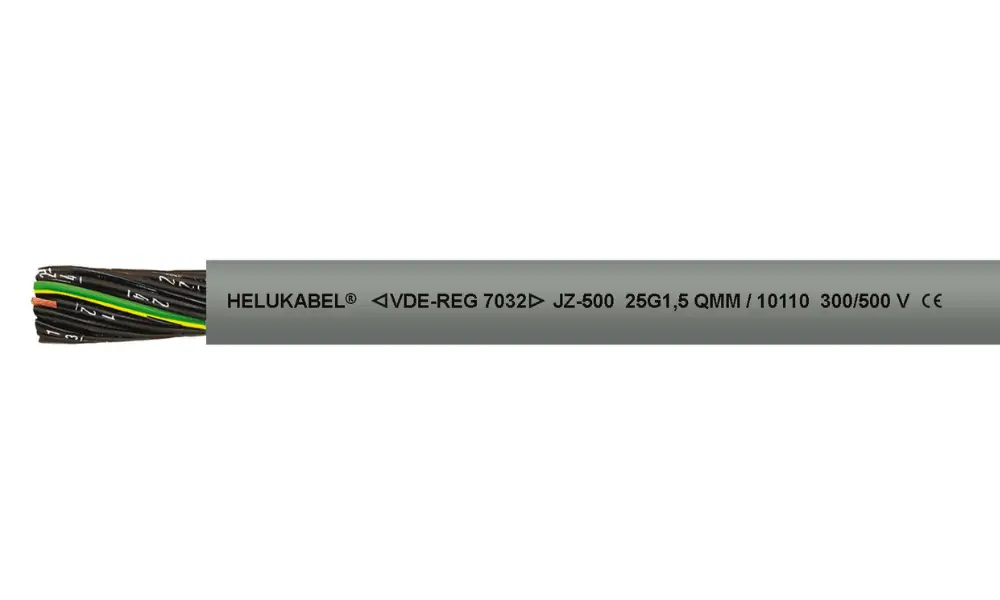
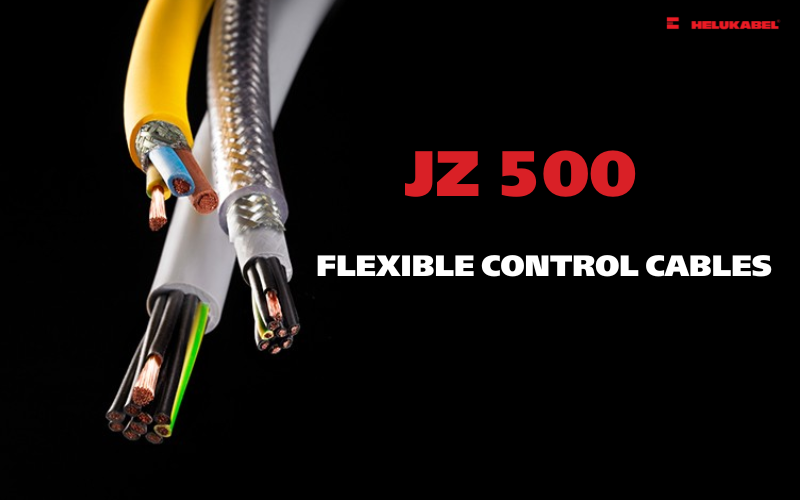
6.1. JZ-500 signal control cable
- Copper wire bare, finely stranded acc. to DIN VDE 0295 Class 5/ IEC 60228 Class 5
- Core insulation: PVC, compound type Z 7225
- Outer sheath: PVC according to DIN VDE 0207-363-4-1/ DIN EN 50363-4-1 (TM2 compound type)
- Key properties:
+ Largely resistant to oil
+ Conditionally torsional
+ Conditionally suitable for drag chains
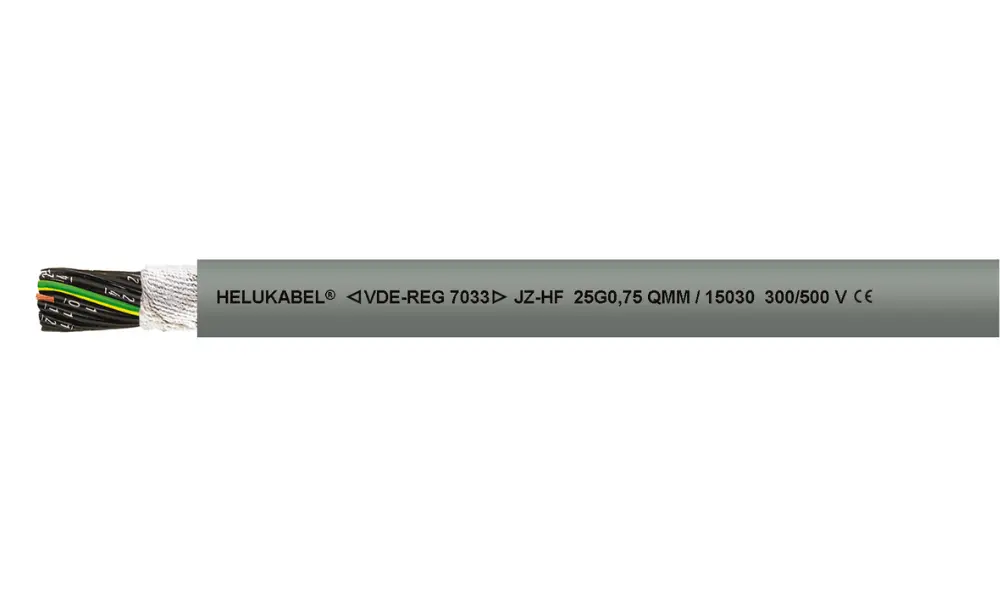
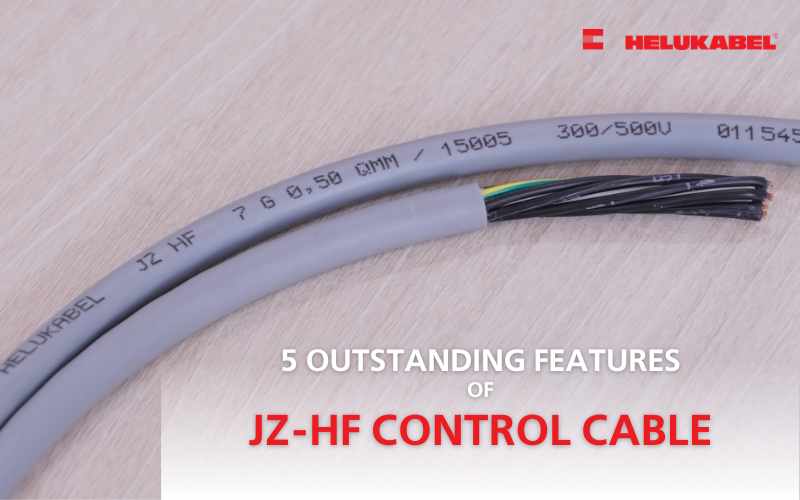
6.2. JZ-HF signal control cable
- Copper wire bare, extra finely stranded acc. to DIN VDE 0295 Class 6/ IEC 60228 Class 6
- Core insulation: PVC, compound type Z 7225
- Key properties:
+ Resistant to oil
+ Suitable for use in drag chains
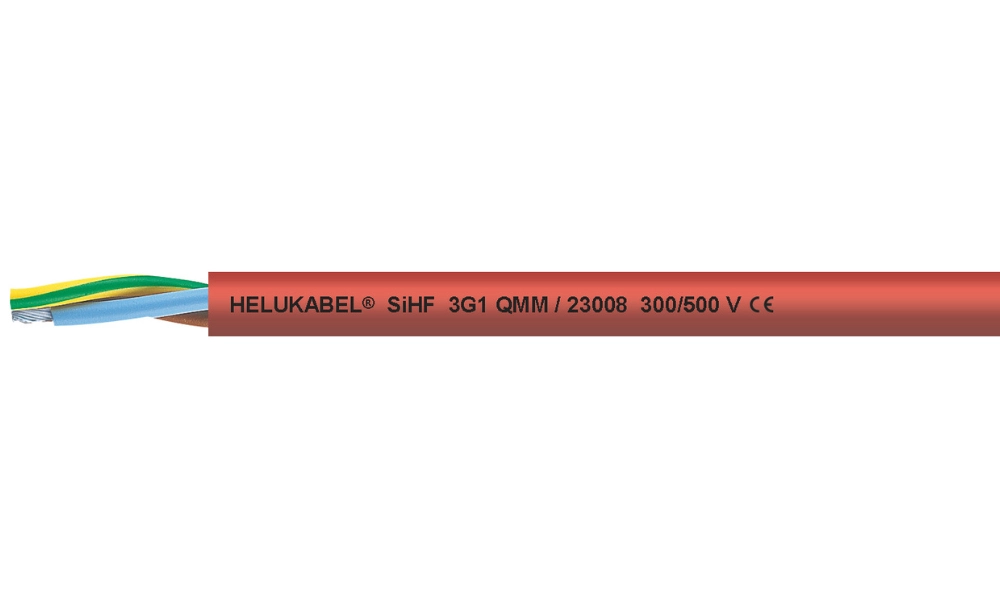
6.3. SiHF halogen-free control cable
- Copper wire tinned, finely stranded acc. to DIN VDE 0295 Class 5/ IEC 60228 Class 5
- Core insulation: silicone
- Key properties:
+ Halogen-free
+ High flash point
+ Resistant to: ozone, oxygen, weathering effects, alcohols, dilute acids, alkalis, saline solutions, oxidising agents, high molecular weight oils, vegetable and animal fats, plasticisers and clophen, seawater
+ No significant changes in dielectric strength and insulation resistance even at higher temperatures
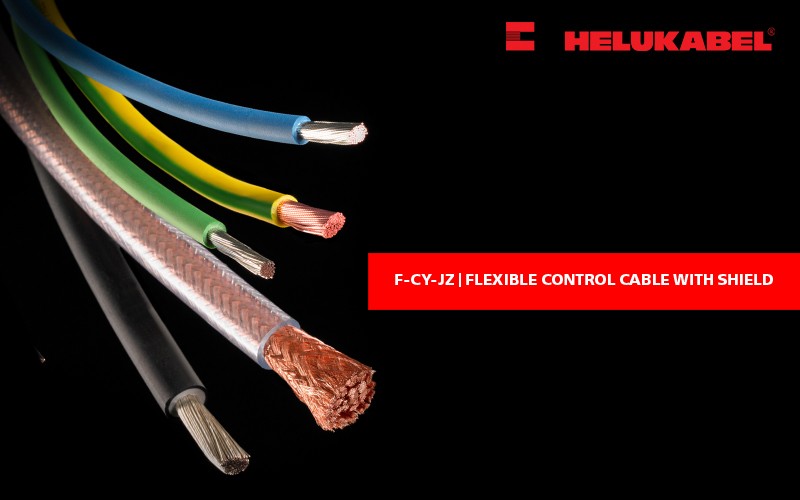
In addition to standard control cables, HELU also offers a wide range of shielded control cables, which help protect signals in environments with many high-power electrical devices.
SEE MORE ABOUT HELU'S CONTROL CABLES
Contact Information HELU Vietnam
| HELU Vietnam 905 Nguyen Kiem Street , Hanh Thong Ward, Ho Chi Minh City, 700000, Vietnam | Phone:
+84 28 77755578 Email: info@helukabel.com.vn | Connect with us on |
| Order through our online channels Tiki | Shopee | Lazada | Product finder | ||