



A single source for industry and infrastructure
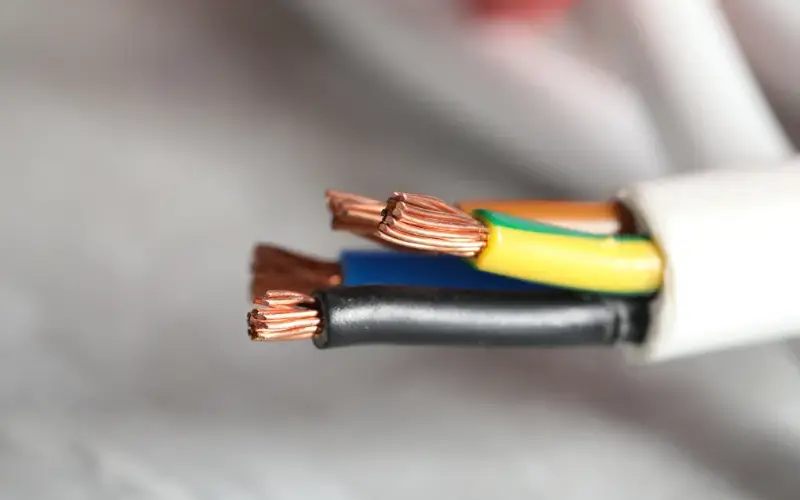
We are your supplier of electrical connection technology from a single source and support you in turning challenges into successes.
Dynamic bending and torsion movements? Mechanical or chemical loads? Confined spaces? At HELU, we will find the appropriate solution for even the most complex and demanding applications.
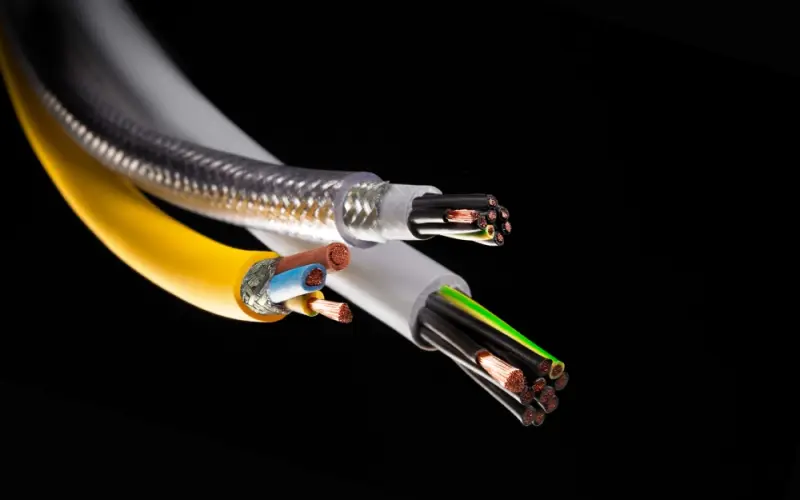
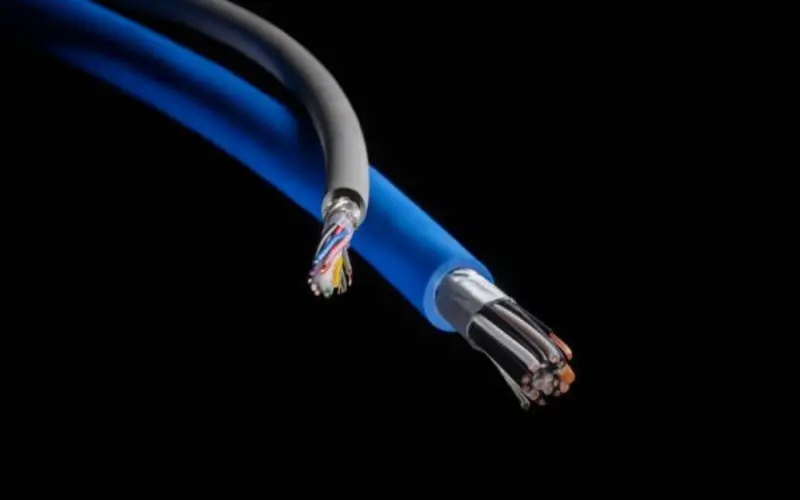
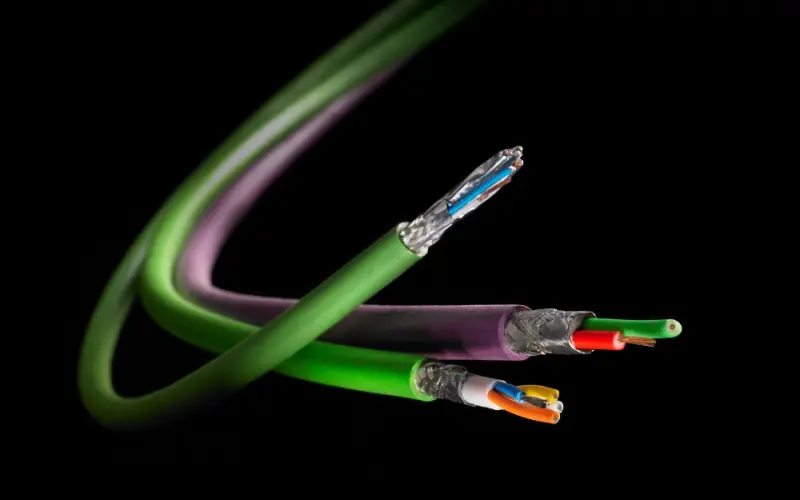
Discover Our Portfolio
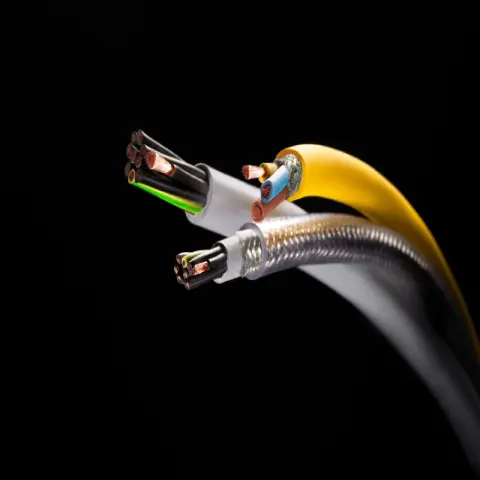
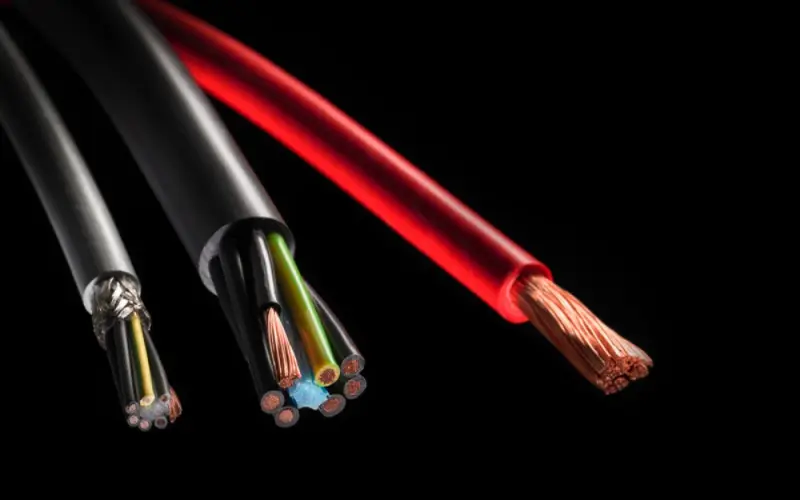
Cables & wires
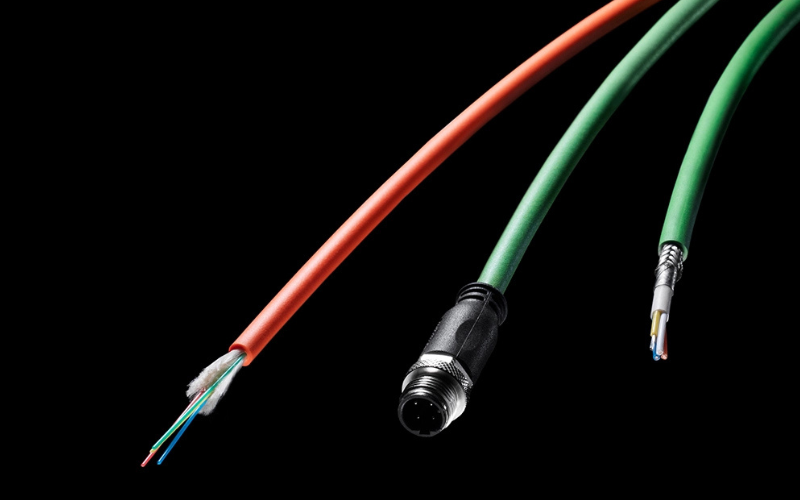
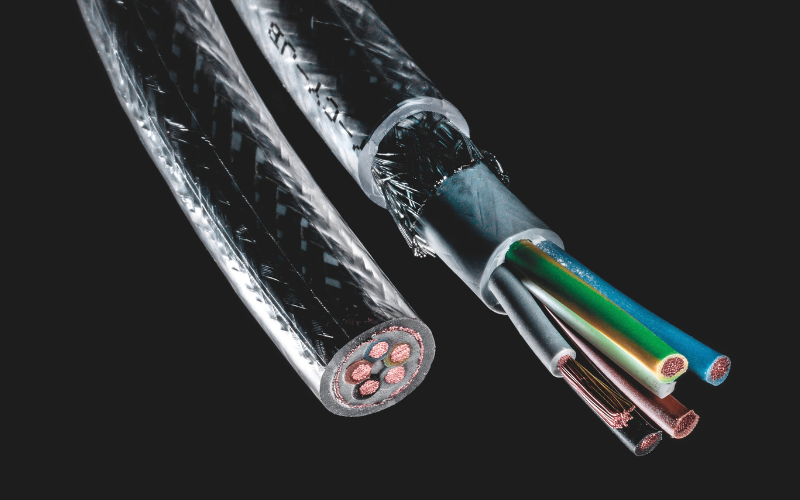
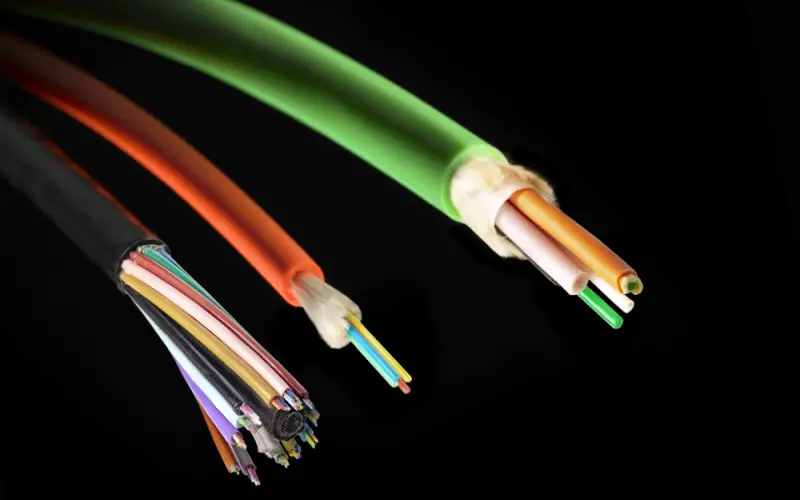
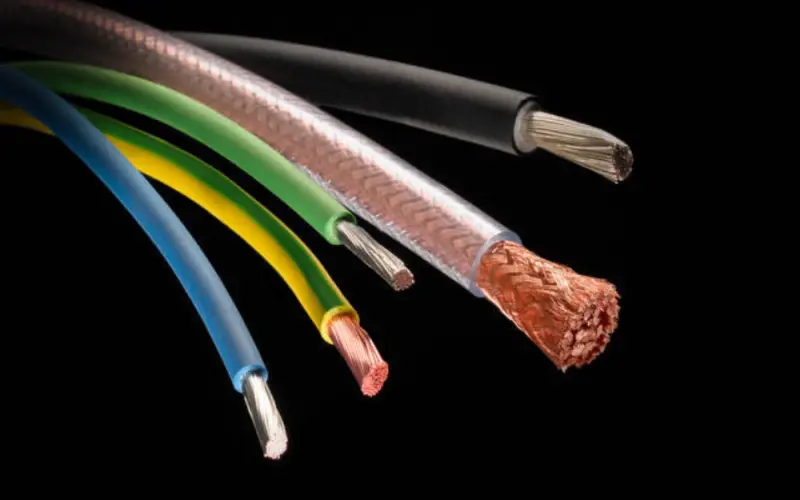
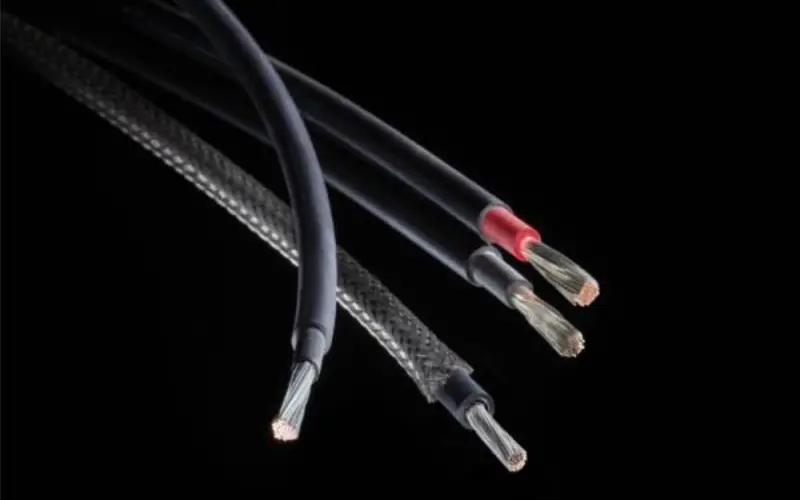
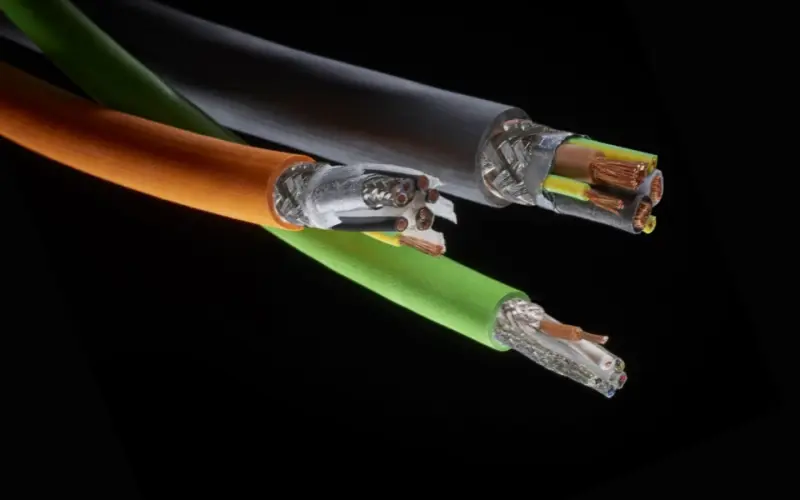
Fixed or moveable, industry or infrastructure, connection, control, or data – we have the perfect cable for every application.
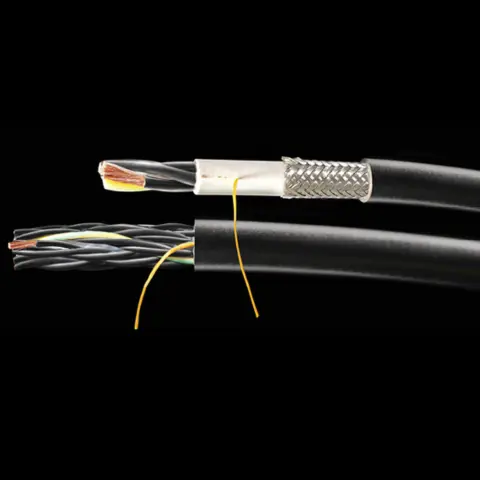
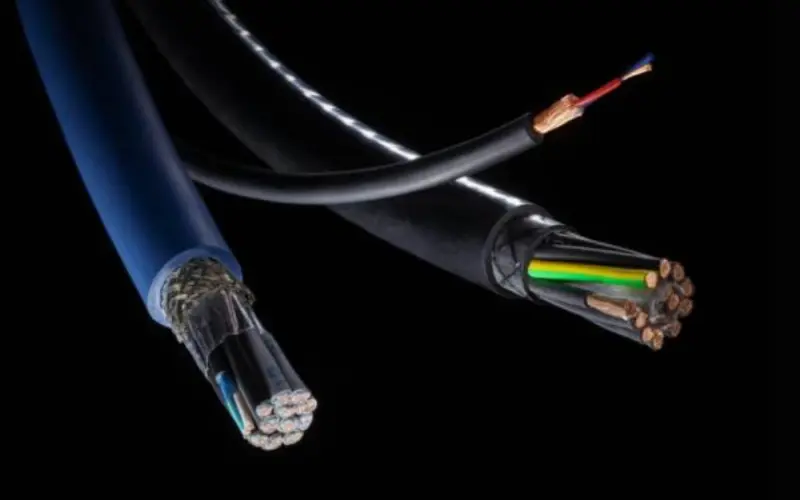
Cables for moving applications
Discover our products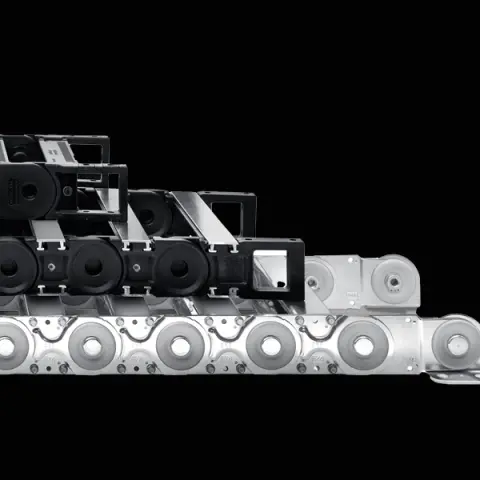
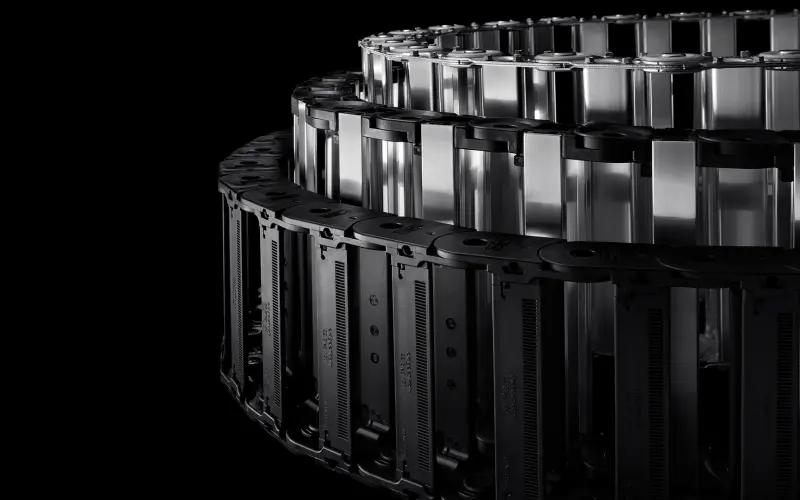
Drag chains
More than just standard steel and plastic drag chains – we also provide installation-ready cables, plugs, and attachments tailored to your needs.
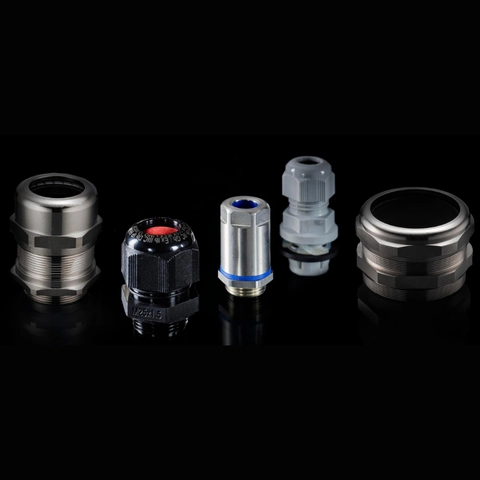
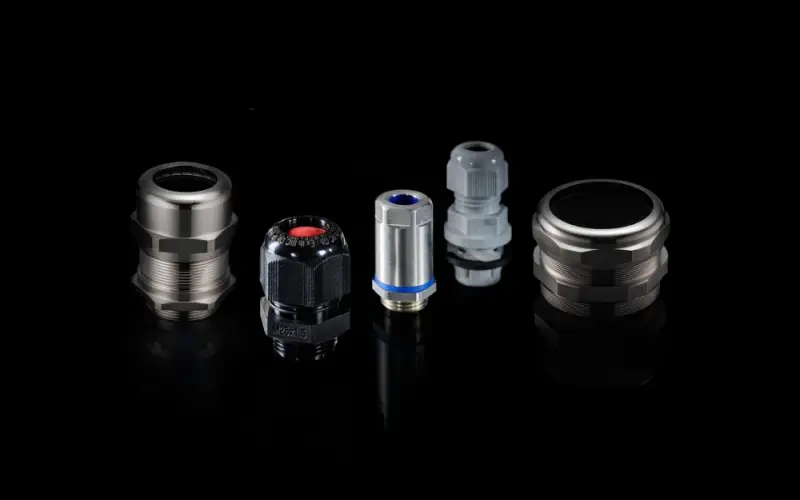
Cable glands
Discover our products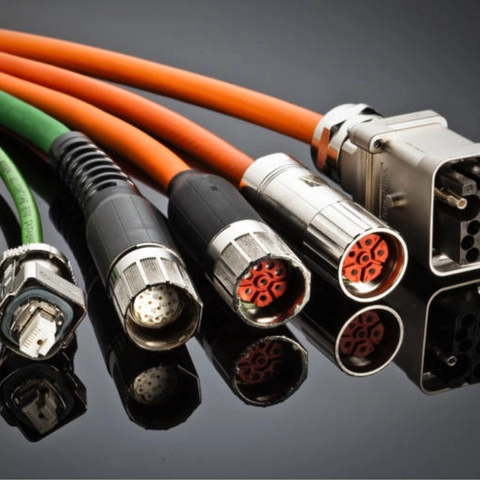
Connectors & connection technology
Discover our products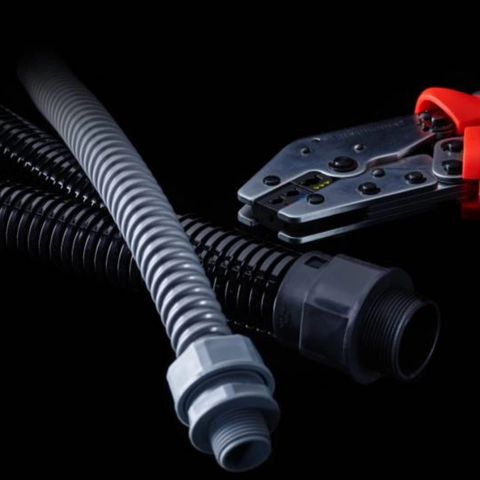
Cable accessories
With our tools and accessories, not only is the installation of cables and wires child's play, but also the bundling, binding, and clamping, as well as labelling and marking.
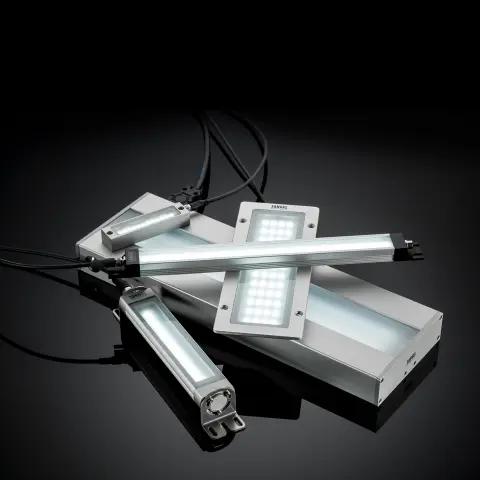
Industrial Luminaires
Discover our products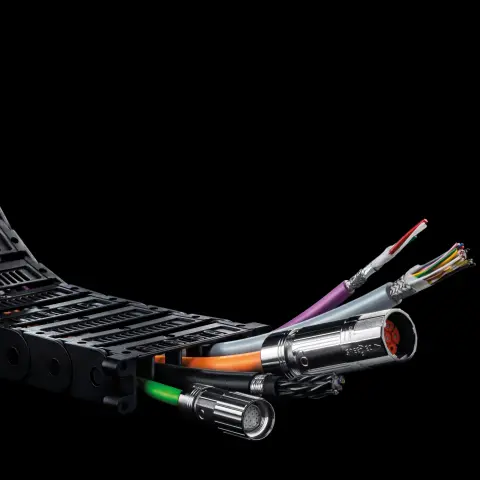
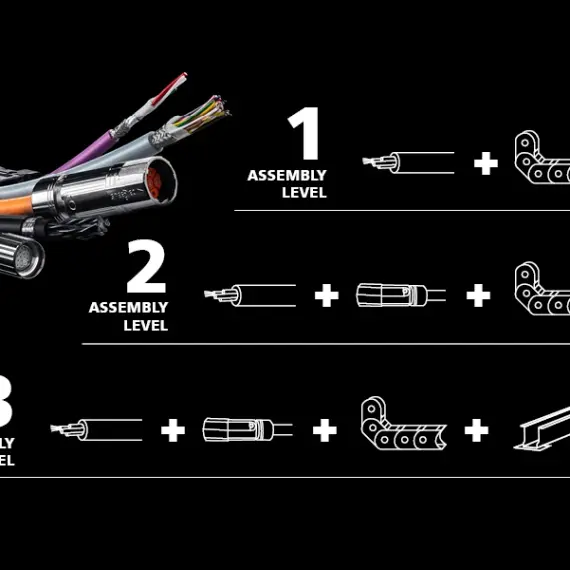
Cable Assemblies
We deliver pre-assembled cables and plugs from a single source, saving you both time and money.
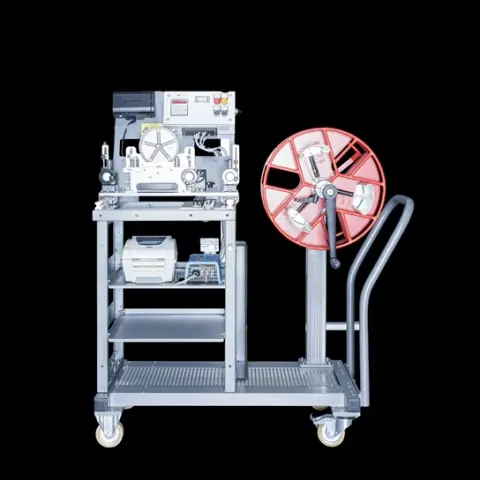
Winding technology
Solutions for cable winding, measuring, and storage more efficient.
HELU – A Partner for Every Industry
HELU is a partner that provides electrical connectivity solutions, bridging technology and various industries in unique ways. We develop tailored solutions for industrial automation, drive technology, the steel industry, robotics, control panels, mechanical and plant engineering, the oil and gas and chemical industries, lifting equipment and cranes, mining, high-tech agriculture, and the automotive industry.
In the renewable energy sector, we prioritize sustainability with our cable lines for solar power, wind power, power infrastructure, and broadband. HELU’s products also serve the construction technology, electric vehicle technology,and railway construction sectors, as well as audio and video equipment for events and communications technology.
Specialized Industries • Infrastructure & Energy • Electric Vehicle & Rail Technology • Events & Media
HELU Vietnam Newsroom - Stay up to date on knowledge and technical information about HELU products
HELU not only provides products and solutions but also helps you resolve technical issues. Explore our technical and product articles!
Our white papers provide in-depth insights into the latest trends and innovations in electrical connectivity technology. View all of our white papers!
All electrical systems are organized into power supply units. These devices convert electrical energy from the power grid or batteries into a usable form of electricity. Although there are many different types of electrical current, the two basic types are alternating current (AC) and direct current (DC), each with its own characteristics suited to specific applications.
AC power is commonly used to transmit energy over long distances because it reduces power loss, while DC power is suitable for electronic devices that require a stable voltage supply. Understanding this difference helps in selecting the appropriate power source for household appliances, office equipment, and industrial systems.
CVV cables and CXV cables are commonly used in Vietnam. So what is the difference between these two types of cables?
Are HELU's electrical cables compatible with the CVV/CXV cable standards on the market? Is there anything that sets HELU's electrical cables apart?
What is a LAN? How many types of LAN cables are there, and what role do they play in network connections? Let’s find out more in the following article!
Fiber optic cables use light to transmit signals, allowing signals to travel farther at high speeds. Let’s explore some basic information about fiber optic cables in the following article.
💡Discover the detailed structure and types of fiber-optic cables available on the market
In industrial automation systems, dozens—or even hundreds—of devices such as PLCs, sensors, and inverters need to communicate with one another over distances of up to thousands of meters. RS485 cables are the physical components responsible for transmitting those signals—they are stable, resistant to interference, and much more cost-effective than industrial Ethernet solutions.
How does the RS485 standard differ from RS232? Let’s explore its features, operating principles, and the compatible cable lines from HELU in the following article!
When learning about the diameter of electrical cables, users need to be familiar with the AWG (American Wire Gauge) system and the metric system. The AWG system is commonly used in the United States to indicate the diameter of electrical conductors, while the metric system is used in many other parts of the world.