Copper vs. aluminum cable lugs: Which one should you choose?
Copper and aluminum cable lugs operate on similar principles to ensure reliable electrical connections. However, differences in material properties result in distinct performance characteristics, making each type suitable for specific applications. Explore the key differences in detail.
Electrical cable lugs play a critical role in ensuring safe and reliable connections between conductors and electrical equipment. When selecting cable lugs, the two most commonly used materials are copper and aluminum.
Although copper and aluminum cable lugs operate on the same fundamental principle, their material differences result in distinct characteristics that directly impact performance, durability, and application suitability. This article will help you understand these differences and choose the most appropriate solution for your specific needs.
1. Characteristics and applications of copper cable lugs
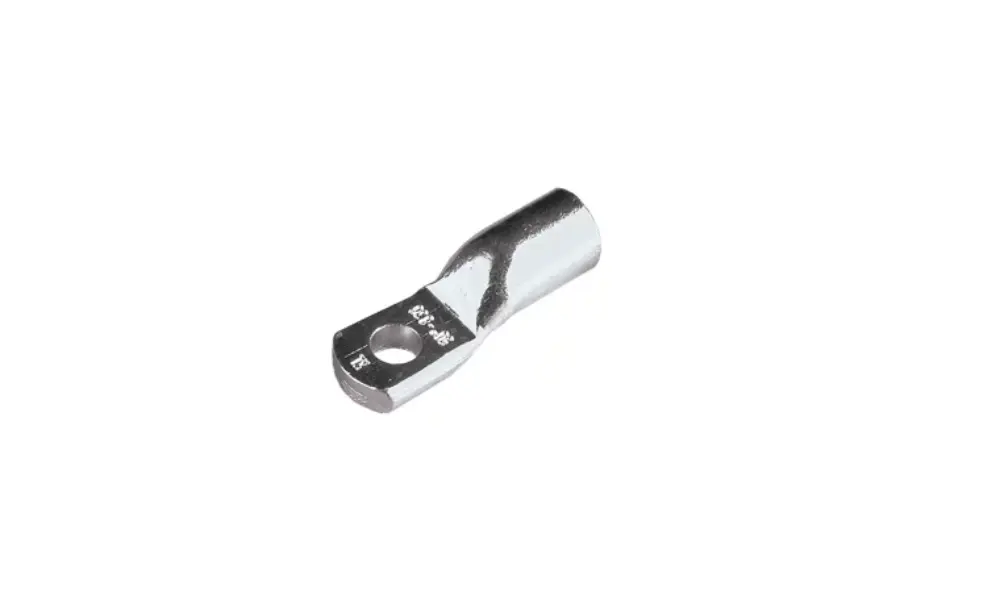
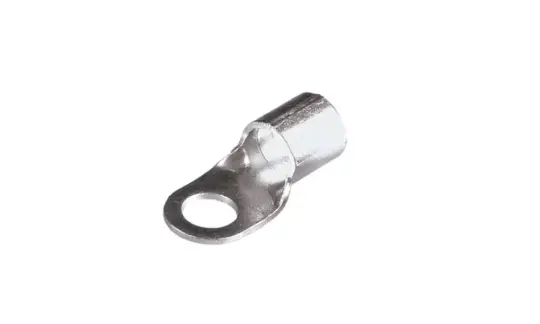
HELU-S-RK-S-CU-UL coper lug
1.1 What are copper cable lugs?
Copper cable lugs are specialized electrical connectors used to terminate conductors and connect them to electrical equipment, busbars, or other connection points within a system. Thanks to the excellent electrical conductivity of copper, these lugs ensure stable, safe connections capable of carrying high current loads.
In practice, copper cable lugs are commonly used for:
- Battery cable terminations
- Welding cables
- Industrial and residential electrical systems
Copper lugs are installed by crimping or soldering them onto the conductor, and then securing them with bolts or screws to connection points such as fuse blocks, distribution blocks, or starters.
1.2 Key features of copper cable lugs
Manufactured from high-purity copper, copper cable lugs offer several important technical advantages:
- High electrical conductivity: Minimizes power loss and ensures stable transmission performance
- High current-carrying capacity: Suitable for high-power and heavy-load applications
- Low thermal expansion coefficient: Maintains structural stability under temperature variations
- High safety level: Reduces localized heating and lowers the risk of electrical faults or fire
- Ease of installation and maintenance: Simplifies assembly, disassembly, and system inspection
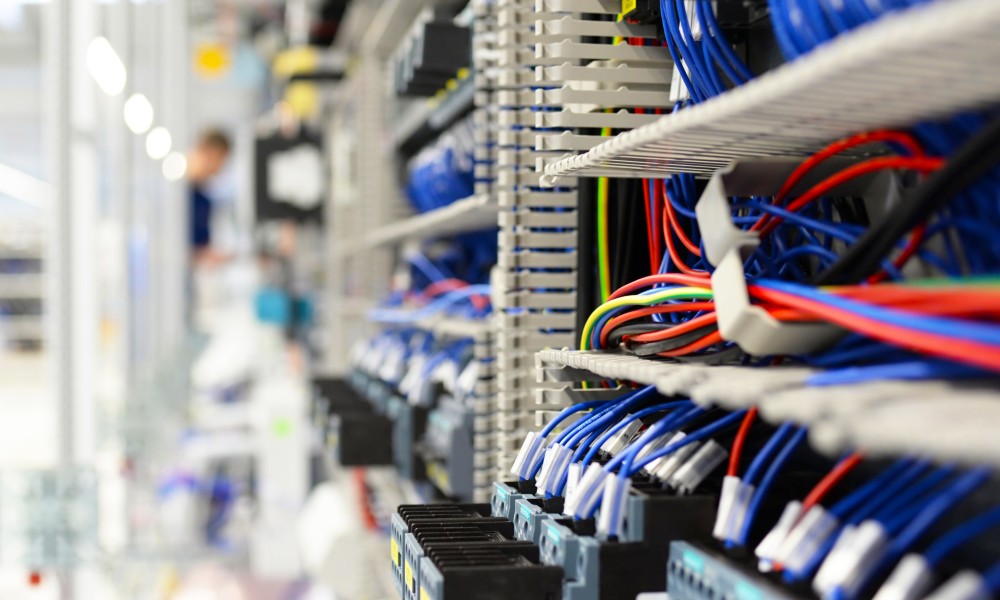
Copper lugs are widely used in electrical systems that require high reliability and safety
1.3 Applications of copper cable lugs
Thanks to their excellent electrical conductivity, low contact resistance, and high mechanical strength, copper cable lugs are widely used in electrical systems that require high reliability and safety:
- Electrical panels and switchgear systems: Used to connect cables to circuit breakers, contactors, relays, and terminal blocks, ensuring secure connections while minimizing heat generation and electrical faults.
- Industrial machinery and automation: Provide stable power and signal connections for motors, drives, PLCs, and sensors, even in environments with vibration and fluctuating loads.
- Heavy industrial equipment: Commonly used in industries such as oil & gas, mining, and metallurgy, where applications involve high currents, large cable cross-sections, and demanding conditions including heat, vibration, and mechanical stress.
- Power distribution systems: Connect high-capacity cables to busbars, transformers, and distribution equipment, helping to reduce power losses, minimize arcing, and improve operational safety.
- Renewable energy systems: Used in solar and wind power systems to connect inverters, combiner boxes, energy storage systems, and grounding networks. Tin-plated copper lugs are especially suitable for outdoor environments due to their enhanced resistance to corrosion, moisture, and UV exposure.
2. Characteristics and applications of aluminum cable lugs
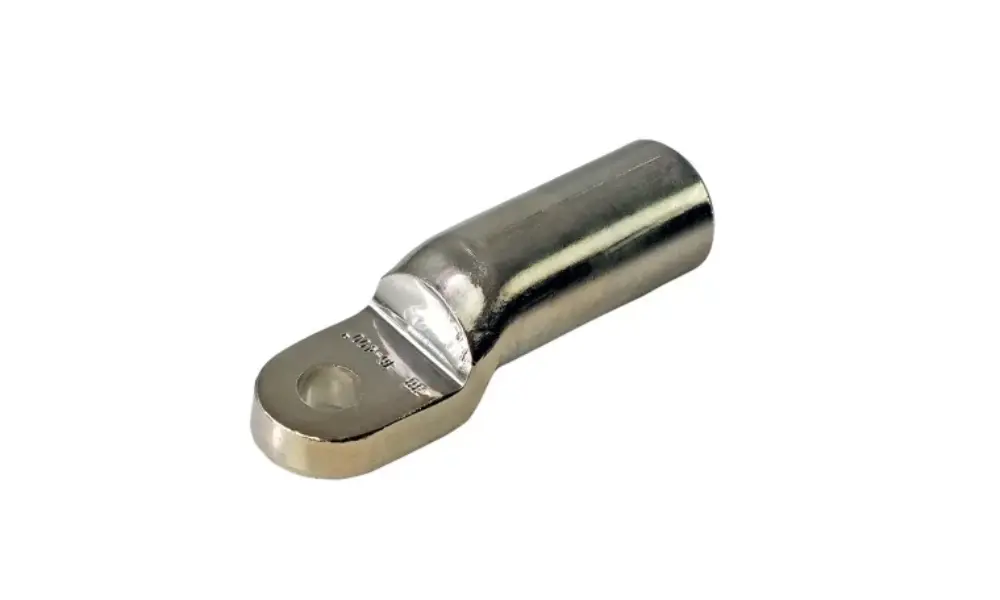
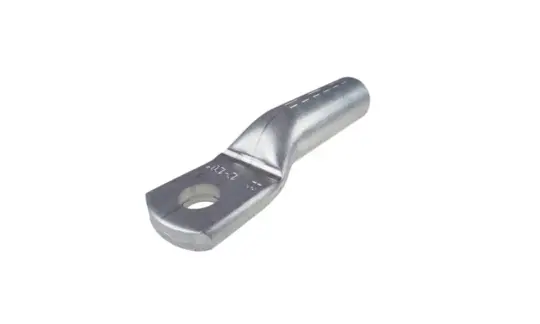
HELU-S-PK-AL-FG-VZN aluminum lug
2.1 What are aluminum cable lugs
Aluminum cable lugs are electrical connectors used to terminate conductors and connect them to equipment or connection points within an electrical system. Thanks to their lightweight properties and good corrosion resistance, aluminum has historically been a popular material for both conductors and cable lugs in many applications.
However, aluminum is a highly reactive metal that readily forms an oxide layer on its surface. While this layer provides some protection, it also increases contact resistance, which may lead to heat buildup, loose connections, or even electrical failures if not properly treated and installed.
2.2 Key features of aluminum cable lugs
Aluminum cable lugs offer several advantages, particularly in large-scale electrical systems where cost and flexibility are important:
- Optimized material properties: Aluminum provides good electrical conductivity, lightweight characteristics, and ease of fabrication, helping reduce manufacturing, transportation, and installation costs while maintaining reliable connections.
- High durability and corrosion resistance: Aluminum lugs are typically tin-plated to minimize oxidation, improve corrosion resistance, and ensure stable performance in both indoor and outdoor environments.
- High flexibility and availability: As a widely available material, aluminum allows for a broad range of lug sizes and designs, making it compatible with various cable types and electrical systems while ensuring easy sourcing and deployment.
- Reliable mechanical strength: With a robust structure, aluminum lugs provide adequate mechanical performance, minimizing deformation during operation and supporting applications that require stable, long-term performance.

Aluminum lugs are lightweight and highly durable—ideal for a wide range of industrial electrical and infrastructure applications.
2.3 Applications of aluminum cable lugs
Aluminum cable lugs provide a flexible, cost-effective, and reliable connection solution, especially for large-scale projects or systems that require budget optimization without compromising long-term performance. Typical applications include:
- Power distribution panels and busbars: Used to connect power cables to busbars, ensuring stable power transmission and reduced energy losses.
- Control panels and switchboards: Provide secure and compliant connection points in electrical control systems.
- Renewable energy systems: Widely used in solar and wind power installations due to their corrosion resistance and durability in outdoor environments.
- Industrial machinery and automation: Ensure stable electrical connections for motors, equipment, and production lines operating under continuous load conditions.
- Substations and medium- to high-voltage systems: Used for connecting cables to transformers and distribution equipment, where high reliability and load capacity are essential.
- Grounding and bonding systems: Help ensure electrical safety and system stability across various applications.
3. Comparison of copper and aluminum lugs
| Criteria | Copper lugs | Aluminum lugs |
| Electrical conductivity | Very high, low power loss | Lower, requires larger cross-section |
| Mechanical strength | High, resistant to deformation, long lifespan | Lower, depends on alloy quality |
| Thermal conductivity | Excellent heat dissipation, reduces overheating | Lower, compensated by larger size |
| Corrosion resistance | Naturally high, stable long-term | Requires plating or surface treatment |
| Installation and handling | Easy to install, less error-prone | Requires stricter installation control |
| Weight | Heavier | Lighter, reduces structural load |
| Cost | Higher | Lower, cost-effective |
| Applications | High-performance, critical systems | Large-scale, cost-sensitive projects |
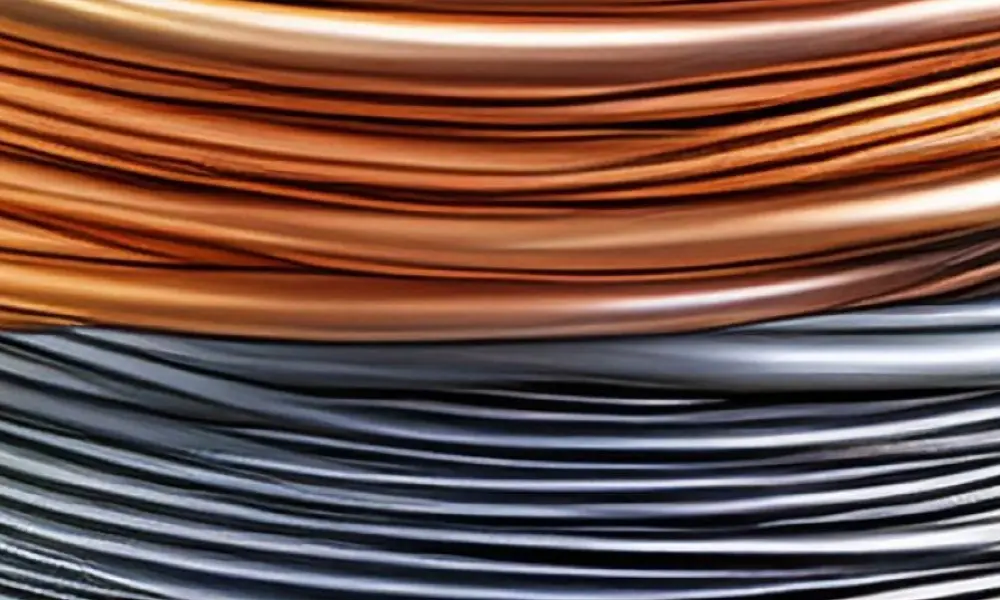
3.1 Electrical conductivity
Copper has significantly higher electrical conductivity, allowing copper lugs to transmit power with low resistance and minimal losses. This makes them ideal for high-current systems that require stable and efficient performance over time. Additionally, copper lugs can be designed more compactly for the same conductivity level, helping optimize installation space.
Aluminum, on the other hand, has lower conductivity. To carry the same current, aluminum lugs typically require a larger cross-sectional area, which may result in bulkier installations. However, advancements in material engineering and design have improved aluminum lug performance, making them a viable option for many applications.
For systems requiring high precision and stability, copper remains the preferred choice.
3.2 Mechanical strength and durability
Copper offers high ductility and tensile strength, enabling it to withstand mechanical stress without cracking or deformation. This results in high reliability and long service life, especially in continuously operating systems.
Aluminum has lower mechanical strength but still meets the requirements of many standard applications. Modern aluminum alloys have significantly improved durability, narrowing the gap with copper. However, proper installation is essential to avoid loosening or long-term degradation.
3.3 Thermal conductivity
Effective heat dissipation is critical for electrical safety. Copper has superior thermal conductivity, allowing it to dissipate heat efficiently and reduce the risk of overheating - especially in high-current applications.
Aluminum has lower thermal conductivity but is often designed with larger dimensions and surface area to compensate. In demanding conditions or continuous high-load operation, copper remains the more reliable option for thermal management.
3.4 Corrosion resistance
Copper lugs provide excellent natural corrosion resistance and performs reliably in most environments, including humid and chemically aggressive conditions. This ensures long-term connection stability and reduces maintenance needs.
Aluminum tends to form an oxide layer on its surface. While this layer protects against corrosion, it also increases contact resistance if not properly managed. In practice, aluminum lugs are often tin-plated or surface-treated to enhance corrosion resistance and maintain stable performance.
3.5 Installation and handling
Copper lugs are easier to install and less sensitive to installation errors. The crimping process is straightforward and provides a strong, stable mechanical connection, reducing the risk of technical faults.
Aluminum lugs require stricter installation procedures. Surface preparation and the use of anti-oxidation compounds are necessary to prevent increased contact resistance. In addition, torque and crimp quality must be carefully controlled, as aluminum is more sensitive to improper handling.
3.6 Weight and structural considerations
Aluminum is significantly lighter than copper, making it advantageous in applications where weight reduction is critical, such as:
- Overhead transmission lines
- Large cable tray systems
- Renewable energy plants (solar and wind)
Reduced weight helps lower structural load and transportation costs.
Copper, although heavier, allows for more compact designs due to its higher conductivity, making it suitable for installations with limited space, such as electrical panels.
4. HELU copper and aluminum cable lug portfolio
To meet the diverse connection requirements of both industrial and residential electrical systems, HELU offers a comprehensive range of copper and aluminum cable lugs in various sizes and configurations.
All products are manufactured in accordance with strict technical standards, ensuring reliable electrical conductivity, high mechanical strength, and long-term operational safety.
4.1 HELU copper cable lug products
| Cable lugs | Cable cross-sectional area (mm²) | Stud hole (mm) | Length (mm) | Part No. |
| HELU-S-RK-CU | 0.75 - 630 | 3.2 - 21 | 12.5 - 115 | 907303 |
| B-ET | 0.5 – 120 | 3.2 – 13 | 11 – 44 | 91514 |
| HELU-S-RK-F-CU | 10 – 240 | 5.3 – 21 | 23- 85 | 907409 |
| HELU-S-RK-S-CU-UL | 35 - 240 | 6.5 – 17 | 32 - 72 | 90910 |
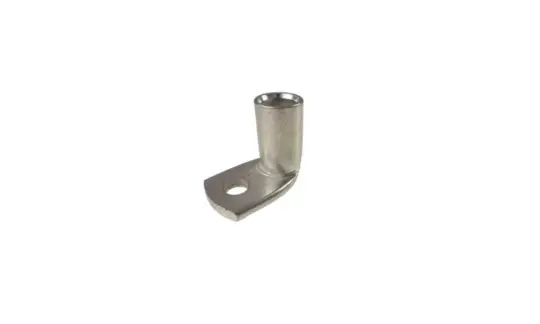
| HELU-S-RK-90-CU-UL | 6 – 300 | 5.3 - 21 | N/A | 907508 |
| HELU-S-PK-CU-DIN | 6 – 1000 | 5.3 - 21 | 24 – 167 | 907677 |
| HELU-S-SV-CU | 0.5 - 630 | 1.4 – 34 | 15 - 160 | 907811 |
| B-PF | 0.5 - 95 | 10 - 23 | 17 - 55 | 91556 |
4.2 HELU aluminum cable lug products
HELU aluminum cable lugs are manufactured from 99.5% aluminum, providing good electrical conductivity, lightweight characteristics, and high durability. These make them suitable for a wide range of industrial and infrastructure electrical applications.
| Cable lugs | Cable cross-sectional area (mm²) | Stud hole (mm) | Length (mm) | Part No. |
| HELU-S-PK-AL-FG-VZN | 16 - 500 | 8 – 21 | 53 - 122 | 909853 |
| HELU-S-PK-AL-DIN | 16 - 500 | 8.4 – 21 | 52 - 140 | 907865 |
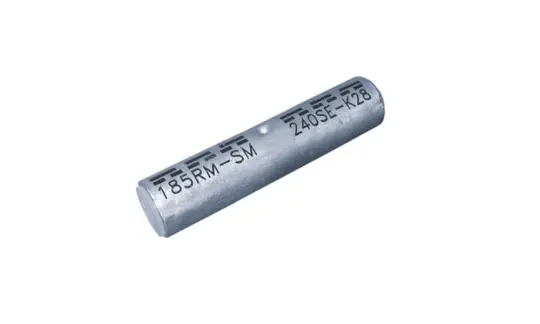
| HELU-S-PV-AL-DIN | 16 - 500 | 5.6 – 29 | 55 - 210 | 907835 |
4.3 Pre-assembled cable harness solutions
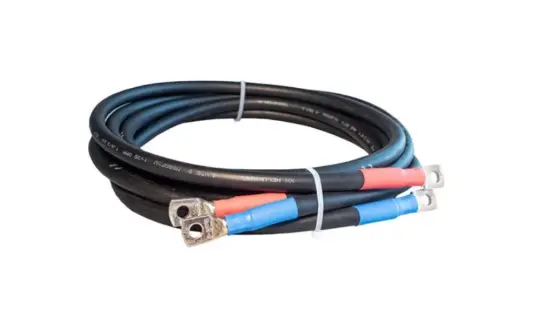
In addition to standalone copper and aluminum cable lugs, HELU also provides pre-assembled cable harness solutions with integrated lugs, helping to optimize installation processes and enhance overall system reliability.
These cable assemblies are manufactured according to specific technical requirements, including the selection of appropriate cable types, compatible lugs, and standardized crimping processes. This ensures precise, consistent connections while minimizing installation errors on-site.
5. FAQs about copper and aluminum cable lugs
5.1 Can copper cable lugs be used for both copper and aluminum cables?
Yes, but it depends on the specific case:
- With copper cables: Fully compatible, ensuring high conductivity, low contact resistance, and long-term stable connections.
- With aluminum cables: Possible, but not recommended for direct connection due to the risk of galvanic corrosion and increased contact resistance. Proper solutions such as bimetal lugs or surface treatment should be used.
5.2 Are aluminum cable lugs as good as copper cable lugs?
Yes. Although copper has higher electrical conductivity, aluminum cable lugs remain an effective solution in many applications thanks to their lightweight, lower cost, and good corrosion resistance. When properly designed and installed, they can fully meet performance and safety requirements.
5.3 Are aluminum cable lugs suitable for outdoor environments?
Yes. When properly installed and adequately protected, aluminum cable lugs can operate reliably in outdoor conditions, including high humidity and temperature fluctuations.
5.4 When should you choose copper vs. aluminum cable lugs?
Choose copper cable lugs when:
- High-current systems requiring maximum performance
- Critical infrastructure where reliability is essential
- Limited installation space requiring compact design
- Harsh environments (moisture, chemicals, high temperature)
- Long service life and stable operation are required
Choose aluminum cable lugs when:
- Large-scale projects requiring cost optimization
- Budget-driven installations
- Weight reduction is important (cable trays, transmission lines, renewable energy systems)
- Proper installation control can be ensured
It is important to note that: For systems using both copper and aluminum conductors, it is recommended to use bimetal lugs to prevent galvanic corrosion and ensure long-term connection reliability.
If you still have questions, don’t hesitate to contact HELU Vietnam’s team of engineers for detailed answers.
HELU Vietnam Contact Information
| HELU Vietnam 905 Nguyen Kiem Street, Hanh Thong Ward, Ho Chi Minh City, 700000, Vietnam | Phone:
+84 28 77755578 Email: info@helukabel.com.vn | Connect with us on |
| Order through our online channels : Tiki | Shopee | Lazada | Product Finder | ||