Understanding IEC, BS, and UL fire-resistant standards
Not everyone clearly understands the differences between IEC, BS, and UL standards for fire-resistant cables. This article helps clarify each system, from testing principles to real-world applications, so you can choose the right cable for the right purpose.
1. What is a fire-resistant cable? How is it different from flame-retardant cable?
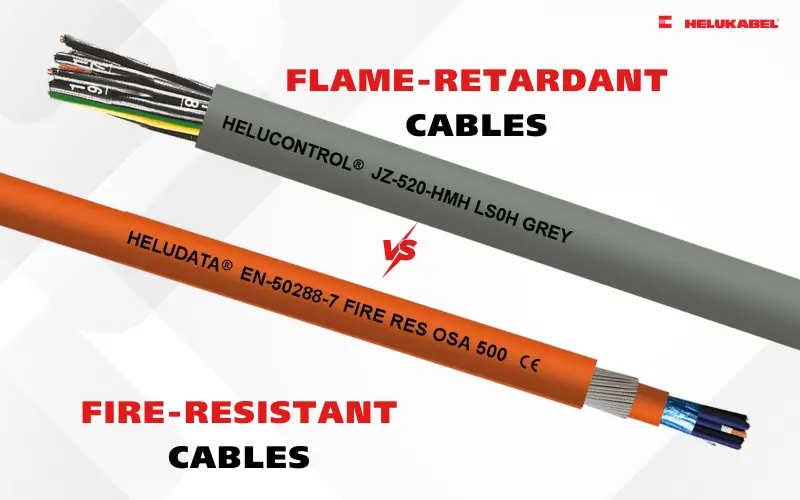
Fire-resistant cable is a type of cable that can continue to operate for a certain period of time when burned under specific heat and flame conditions. Flame-retardant cable, on the other hand, is not designed to maintain signal transmission but focuses on preventing or slowing the spread of fire. After the ignition source is removed, the fire will self-extinguish within a controlled area. In other words, while fire-resistant cable ensures the system continues to operate during a fire, flame-retardant cable helps minimize the risk of fire spread. Distinguishing between these two concepts is crucial, as each type of cable serves entirely different purposes in system safety design.
However, accurately determining the "fire-resistant" or "flame-retardant" capabilities of a cable cannot be done solely based on its name. These characteristics need to be verified through specific testing standards, with clearly defined conditions regarding temperature, time, and fire environment. Therefore, standards such as IEC, BS, and UL were developed to measure and classify the fire resistance of cables using different methods. This is also a crucial basis for selecting the correct cable for each application, rather than relying solely on general concepts.
2. Why are there so many different fire-resistant cable standards?
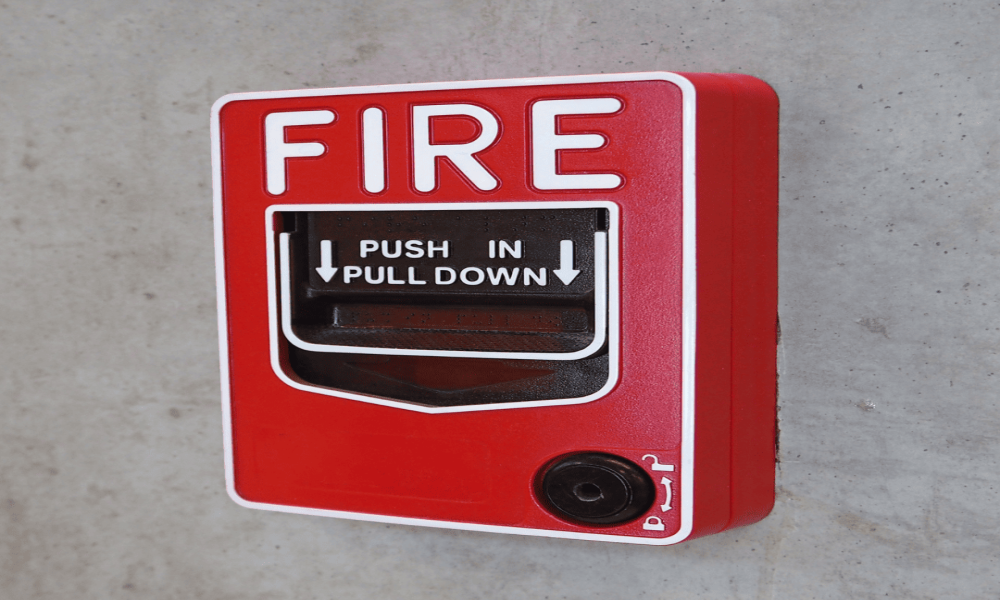
The existence of multiple fire-resistant cable standards is not accidental, but stems from very real differences in how countries and engineering systems operate.
First and foremost is the regional factor. Each market, such as Europe, the UK, or the US, has its own regulatory system and safety approach, leading to the formation of standards like IEC, BS, or UL. These standards not only reflect technical conditions but are also linked to legal regulations and project implementation practices in each region.
Furthermore, the intended use also creates a significant difference. A typical residential electrical system will have completely different requirements compared to an industrial system, and even more so compared to critical systems such as fire alarms, emergency exits, or emergency power supply. Each type of application will require a different level of operational reliability in fire conditions.
Finally, there's the required level of safety. Not every system needs to remain operational for extended periods during a fire. However, for systems that cannot be shut down, the applicable standards are more stringent, with tests simulating real-world conditions such as fire, water, and mechanical impact.
Therefore, there is no single "better" standard. The value of each standard lies in whether it is suitable for the system and the level of risk that needs to be controlled.
3. Overview of major fire-resistant standards
In addition to evaluating the cable's ability to maintain operation under fire conditions, some standards also consider flame retardancy to limit the spread of fire. Below is an overview of the currently popular standards:
3.1. IEC Standards (International)
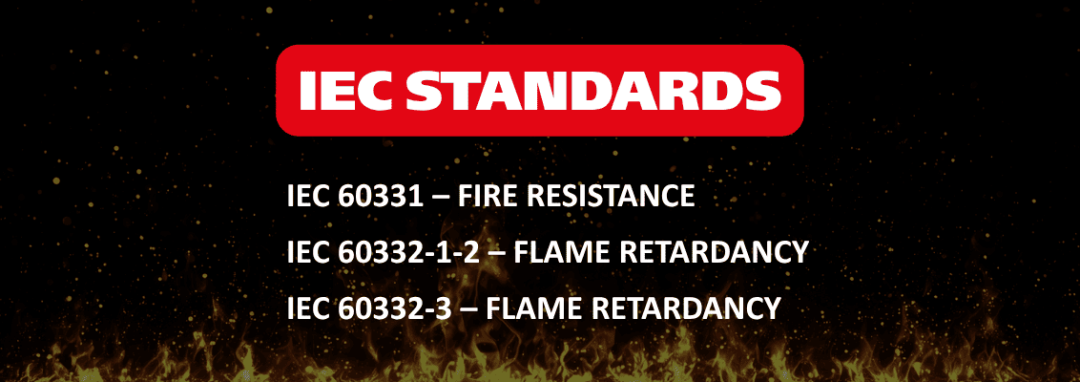
IEC standard fire resistance and flame spread tests are often confused with each other due to their very similar names. However, the test methods used are completely different.
IEC 60332-1-2 - Flame retardancy: Test for vertical flame propagation for a single insulated wire or cable
This test is passed by most cables made from flame-retardant materials, such as PVC and chloroprene rubber, or materials with special flame-retardant additives such as PUR. In the test, a single core or cable approximately 60 cm long is mounted vertically using two clamps, and then a predetermined flame is applied to the lower end for 60 seconds (or 120 seconds for cables with a diameter > 25 mm). The test is considered passed if, after the flame is removed, the burning cable self-extinguishes and the fire damage is at least 50 mm from the upper clamp. The time the cable burns before self-extinguishing is not critical.
IEC 60332-3 - Flame retardancy: Test for vertical flame spread of vertically-mounted bunched wires or cables
This flame propagation test, also known as the "bundle fire test", is typically only acceptable for specially developed cables and conductors with highly flame-retardant insulation and sheathing. In the test, multiple cables are bundled or stacked to a length of approximately 3.5 m and mounted vertically to a ladder-like metal structure. Flames are then applied to the lower ends of the cables using a propane burner. The cable volume and burning time are determined by the test method, as IEC 60332-3 includes four different cable bundle fire tests.
- IEC 60332-3-22 (Category A): 7 liters of flammable material per meter / flame application: 40 minutes
- IEC 60332-3-23 (Category B): 3.5 liters of flammable material per meter / flame application: 40 minutes
- IEC 60332-3-24 (Category C): 1.5 liters of flammable material per meter / flame application: 20 minutes / cable diameter > 12.0 mm
- IEC 60332-3-25 (Category D): 0.5 liters of flammable material per meter / flame application: 20 minutes / cable diameter < 12.0 mm
The test is considered successful if, after the burner is switched off, the burning cables extinguish themselves and the fire damage does not spread more than 2.5 m when measured from the bottom of the cable.
IEC 60331 - Fire resistance: Functional integrity and fire resistance of electric cables
This test does not assess the spread of flames but instead examines the electrical function of the cable in the event of a fire. This test is typically only passed for cables and conductors with special flame-retardant glass or mica sheathing surrounding individual cores as well as entire cable bundles. In the test, the cable is energized at its nominal voltage and subjected to a flame for 90 minutes at approximately 750°C. The test is considered passed if the cable continues to conduct electricity without short-circuiting throughout the flame application and during the subsequent 15-minute cooling period.
💡Understanding IEC standard and common IEC standards for cables
3.2. BS Standards (UK)
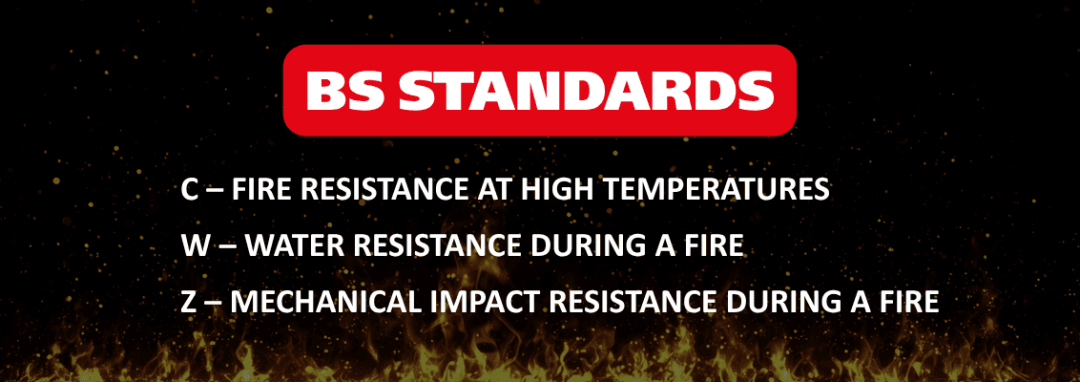
Within the British BS standards system, BS 6387 is one of the most important standards used to assess the ability of cables to maintain operation under realistic fire conditions. A major difference between BS and many other standards is that it not only tests fire resistance but also simulates factors that occur in a real fire, such as water and mechanical impact. This test aims to assess whether the cable maintains its electrical circuit integrity when exposed to these situations. This is particularly important for safety systems such as emergency lighting.
Resistance to fire alone
The cable is tested using a gas burner flame while an electric current is passed through it at the rated voltage. Four survival categories are defined: Category A (3 hours at 650°C), Category B (3 hours at 750°C), Category C (3 hours at 950°C), and Category S (20 minutes at 950°C).
Resistance to fire with water spray
A new cable sample is exposed to a flame at 650°C for 15 minutes while current flowed through it at its rated voltage, then a nozzle is turned on to expose it to both fire and water for another 15 minutes. A single survival category W is defined if the cables surpassed the testing requirement, and the cable was only certified to this level if it remained stable after the entire process of simultaneous exposure to fire and water.
Resistance to fire with mechanical shock - the final requirement is mechanical shock damage
A new sample is mounted on an S-shaped support and exposed to the flame while the support is secured by a steel rod with a diameter equal to the diameter of the cables to be tested, every 30 seconds for 15 minutes. The cables will be tested at the following temperatures: X (650°C/15 minutes), Y (750°C/15 minutes), and Z (950°C/15 minutes).
A cable that meets the BS 6387 CWZ standard means it has passed all three of the standard's most rigorous test groups: C (fire resistance at high temperatures), W (water resistance during a fire), and Z (mechanical impact resistance during a fire). This indicates that the cable not only withstands high temperatures but also maintains stable operation under extreme conditions that closely simulate a real fire. Therefore, the CWZ rating is often applied to critical systems such as fire alarms, emergency lighting, and escape routes, where maintaining a continuous signal throughout an incident is crucial to the safety of the entire building.
3.3. UL Standard (USA)
In the US standards system, in addition to regulations on flame retardancy, UL 2196 is a typical standard used to evaluate fire-resistant cables at the system level. Unlike many standards that only test individual cables, UL 2196 treats cables as part of a whole fire-resistant system, similar to how fire-resistant walls or floors are evaluated in construction.
Accordingly, the cable is tested using the ASTM E119 temperature-time curve, with fire exposure times up to 2 hours, followed by a hose stream test to simulate the effects of a fire suppression system. Throughout this process, the standard requires the cable to maintain electrical circuit integrity both during and after the fire. Systems that meet the requirements are listed under the UL FHIT category.
UL 2196 not only assesses the fire resistance of cables, but also confirms that the cables can survive and continue to function in a realistic building fire scenario, equivalent to a fire-resistant structure with a fire resistance rating of 2 hours.
3.4. Other standards
Besides common standards like IEC, BS, and UL, many other national or regional standards exist in practice. These standards are usually built on a common foundation (especially IEC), but are adjusted to suit the regulations and conditions of use in each market. Below are some common standards:
CEI (Italy)
CEI (Comitato Elettrotecnico Italiano) is the Italian body responsible for developing technical standards in the field of electrical engineering. CEI standards establish technical and safety criteria for the design, construction, testing, and installation of electrical equipment, including switchgear. CEI 20-36/2-1 and CEI 20-45 are two standards related to fire resistance.
DIN (Germany)
DIN standards are national technical standards developed by DIN – Deutsches Institut für Normung (German Institute for Standardization). These standards help ensure the quality, safety, efficiency, and compatibility of products, systems, and services in Germany and worldwide. A typical example is DIN 4102, which specifies the fire behavior of building materials and components, used to assess their reactivity with fire in buildings.
EN (Europe)
As a common set of standards applicable throughout the European Union, EN plays a role in synchronizing standards between countries, enabling the free flow of products within the EU. Many EN standards are developed based on IEC standards but are adapted to regional regulations. Notable fire protection standards within the EN system include EN 50200 and EN 50362.
NBN (Belgium)
NBN (Norme Belge) is the national standard of Belgium, commonly used in domestic projects. NBN tends to harmonize with EN standards, but retains some specific requirements related to local installation conditions and safety, such as NBN C 30-004 and NBN 713-020.
NF (France)
NF (Norme Française) refers to guidelines and requirements developed by AFNOR (Association Française de Normalisation), the French standardization organization. Standards such as NF-C-32-070 are designed to ensure the quality, safety, and performance of materials.
SS (Singapore)
SS (Singapore Standard) is a set of standards applied in Singapore, developed based on a combination of IEC, BS, and the country's specific requirements. Standards, such as SS 299 Part 1, are commonly found in construction and infrastructure projects in Southeast Asia.
VDE (Germany)
This is not just a standard, but also a quality certification issued by the German Association of Electrical, Electronics and Information Technology Engineers. Products that meet VDE standards are generally highly regarded for their safety and reliability, especially in demanding applications such as fire resistance, as exemplified by VDE 0815 and VDE 0482 standards.
4. Comparison of IEC, BS, and UL standards for fire-resistant cables
To make the comparison of fire protection standards such as IEC 60331, BS 6387 CWZ, and UL 2196 more intuitive, the content is summarized in the table below:
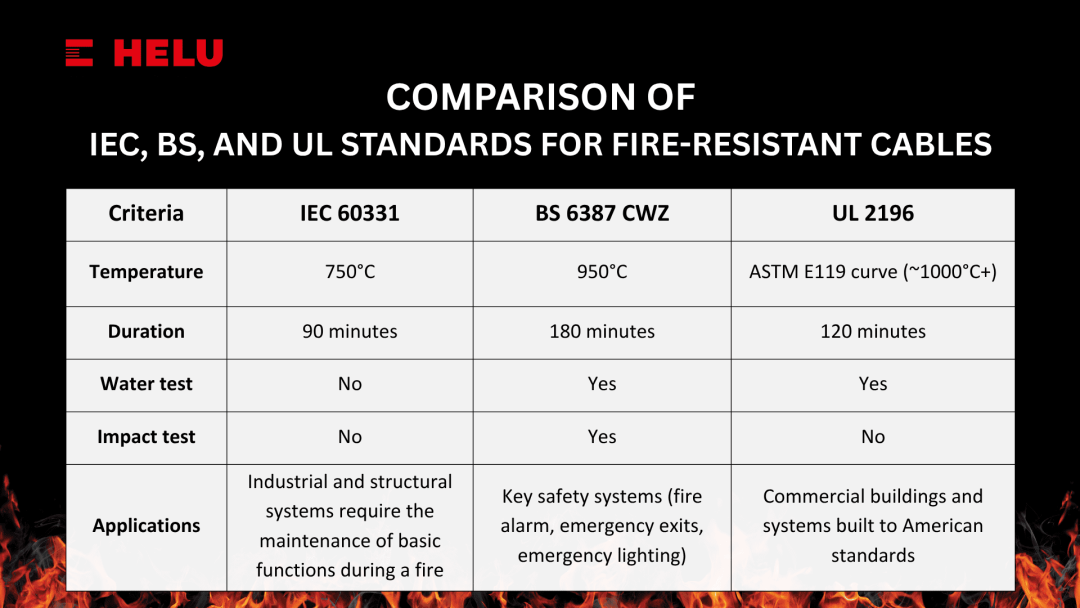
After comparison, it can be seen that each standard system is suitable for different usage contexts. IEC is typically applied to general systems in industry and construction, where basic safety requirements according to international standards need to be ensured. BS targets highly critical systems where operation cannot be interrupted in a fire situation, such as fire alarms, escape routes, or emergency lighting. Meanwhile, UL is mainly used in projects following US standards, playing a role in ensuring compliance with regulations and technical requirements in that market.
5. Which fire-resistant cable standard should I choose?
When selecting cables according to IEC, BS, or UL standards, it's important to understand that each standard system includes two assessment groups: fire-resistant cables (maintaining operation during a fire) and flame-retardant cables (limiting fire spread). The key isn't choosing IEC, BS, or UL, but identifying the specific test being evaluated within each standard. Even within the same standard system, different regulations can lead to completely different operational outcomes in practice. Therefore, the correct choice isn't about which standard to use, but about selecting the right type of test to meet the system's safety requirements.
6. HELU's fire-resistant cables for the Vietnamese market
In Vietnam, BS 6387 (UK) and IEC 60331 (International) are the two most common standards, frequently applied to fire-resistant cables in fire protection systems. Specifically, BS 6387 (especially the CWZ type) is considered the "gold standard" in Vietnam, often preferred due to its higher requirements including fire, water, and impact resistance. Additionally, a newer standard, BS 7629, is gradually being adopted in some projects. Meanwhile, IEC 60331 is the basic international standard for fire resistance, often used in conjunction with IEC 60332 to test fire resistance and flame retardancy.
In practical applications, Vietnamese standard (QCVN 06) sets high requirements for fire-resistant cables. Therefore, cables meeting BS 6387 standards are widely specified in high-rise building and factory projects.
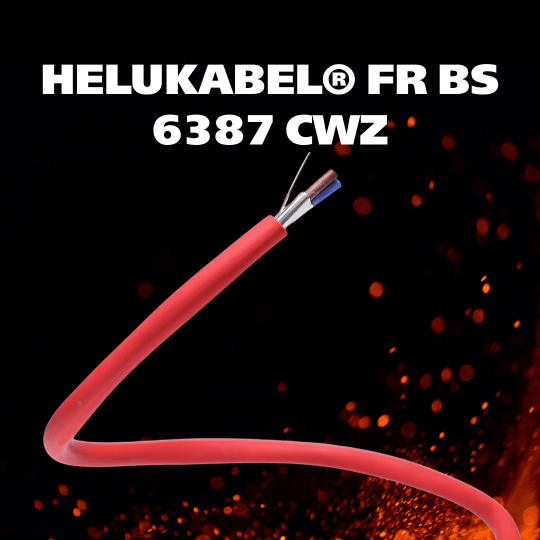
To meet this need, we HELU Vietnam offer fire-resistant cables that meet BS 6387 standards, notably HELUKABEL® FR BS 6387 CWZ. This cable allows electrical systems to continue operating in fire conditions, and is particularly suitable for safety systems such as emergency lighting. The cable has a 2-core structure, with insulation capable of operating in temperatures up to 180°C. The outer sheath is a halogen-free thermoplastic (LSZH) that minimizes smoke and toxic gases during a fire.
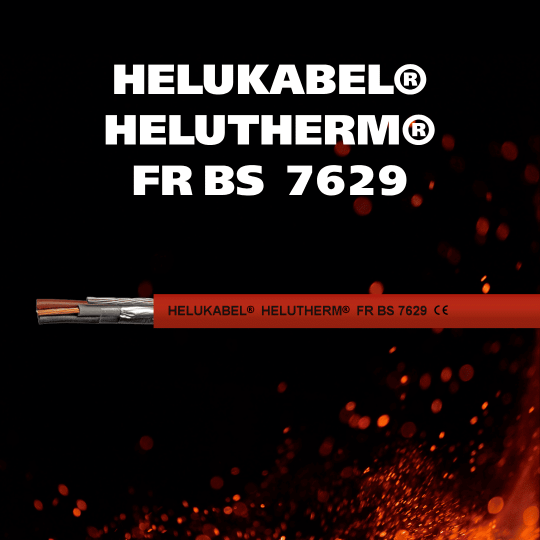
In addition, we HELU Vietnam also offer fire-resistant cables compliant with BS 7629, which are suitable for fire alarm systems and building applications, ensuring continuous operation of safety systems in emergency situations.
Don’t hesitate to contact HELU Vietnam to know more about fire-resistant cables!
>>> Learn more about other types of fire-resistant cables HERE !
HELU Vietnam Contact Information
| HELU Vietnam 905 Nguyen Kiem Street, Hanh Thong Ward, Ho Chi Minh City, 700000, Vietnam | Phone:
+84 28 77755578 Email: info@helukabel.com.vn | Connect with us on |
| Order through our online channels Tiki | Shopee | Lazada | Product Finder | ||