Shielded speaker cables: Structure, features, applications & useful tips
Shielded speaker cables help reduce the impact of electromagnetic interference, contributing to maintaining stable audio signal quality. So, how does this type of cable differ from regular audio cables, and when should you use it?
What are shielded speaker cables?
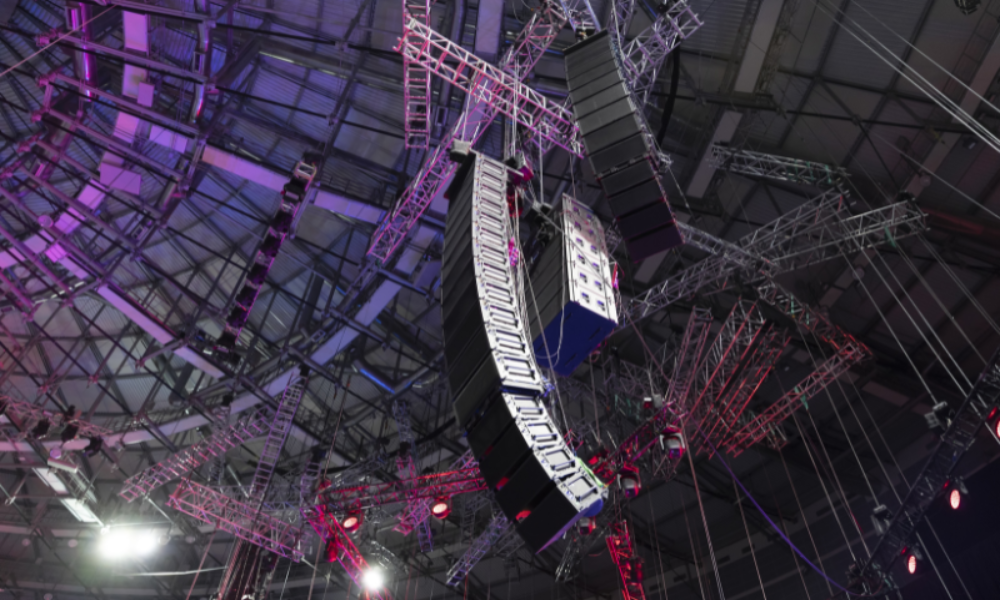
Shielded speaker cables are specialized audio cables designed to transmit stable signals while minimizing the impact of external interference. Thanks to their optimal shielding, these cables can reduce static, hum, or distortion, thereby maintaining a stable signal during transmission.
Compared to regular audio cables, shielded speaker cables are suitable for systems requiring high signal quality or for installation in environments with significant electromagnetic interference (EMI) and radio frequency interference (RFI).
So what makes shielded speaker cables better at protecting the signal? The answer lies in the specialized construction of this type of cable.
Structure of shielded speaker cables
Although there are many different types, most shielded speaker cables are made up of the following main components:
Conductor
The conductor core is the component that directly transmits audio signals between devices in the system. Typically, conductor cores are made from bare copper, tinned copper, or silver-coated copper to ensure stable signal transmission, minimize signal loss, and maintain sound quality.
Insulation
Surrounding the conductor core is an insulating layer, usually made from PVC, PE, or specialized polymer materials. This layer prevents the conductor cores from contacting each other, limits electrical leakage, and helps maintain signal integrity during transmission.
Shields
This is what makes shielded speaker cables different. The shielding layer can be made of aluminum foil (foil shield) or braided metal mesh (braided shield), and in some cases, a combination of both. Its role is to limit electromagnetic interference (EMI) and radio frequency interference (RFI) from entering the transmission line, helping to keep the audio signal stable.
Outer sheath
The outer sheath, usually made of PVC, gives the shielded speaker cable a certain degree of durability and flexibility, protecting the entire cable structure from mechanical and environmental impacts such as shock, abrasion, moisture, chemicals, or UV rays (depending on the cable type).
Key features of shielded speaker cables
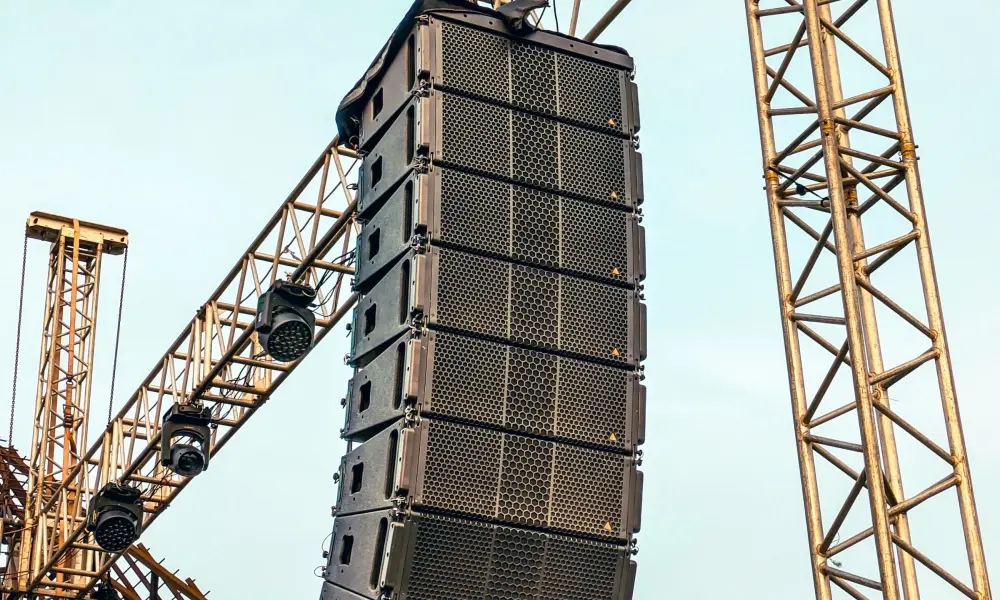
Thanks to their specialized construction, shielded speaker cables offer many benefits for signal transmission.
Clear and stable sound quality
The anti-interference layer helps to limit the impact of electromagnetic interference (EMI) and radio frequency interference (RFI), reducing static, hum, or distortion, thereby maintaining a clear and accurate audio signal.
Reliable signal transmission
Shielded speaker cables ensure stable signal transmission throughout the system, reducing the risk of interruptions and guaranteeing optimal performance under various installation conditions.
High durability in various environments
In addition to signal protection, the cable structure also helps increase resistance to abrasion, impact, and environmental factors, contributing to a longer lifespan and improved system reliability.
Suitable for a wide range of audio applications
Shielded speaker cables are widely used in professional audio systems that demand high signal transmission quality, such as performance stages, recording studios, convention centers, commercial buildings, hotels, schools, and many other AV applications.
Comparison of shielded and unshielded speaker cables
The choice between shielded and unshielded speaker cables depends on the installation environment, signal quality requirements, and budget. The table below will help you easily compare these two types of cables.
| Criteria | Shielded speaker cables | Unshielded speaker cables |
| Structure | Equipped with a shielding layer (foil shield, braided shield, or a combination of both) surrounding the conductor | No shielding layer, simpler cable construction |
| Noise immunity | Effectively minimize electromagnetic interference (EMI) and radio frequency interference (RFI) for stable signal transmission | More susceptible to EMI and interference from nearby electrical equipment |
| Signal quality | Deliver clear, stable audio with reduced humming, buzzing, and signal distortion | Signal quality may degrade in environments with high electromagnetic interference |
| Flexibility | Typically less flexible due to the additional shielding layer | More flexible, making installation and routing easier |
| Cost | Higher due to the more complex construction | More cost-effective |
| Typical applications | Recording studios, live performance venues, broadcasting facilities, conference rooms, cinemas, and professional audio systems | Home audio systems, short-distance connections, and low-interference environments |

Shielded speaker cables
Advantages:
- Effectively reduce interference, static, and humming during signal transmission.
- Maintain stable and accurate signal quality, even in environments with many electrical devices.
- Suitable for professional audio systems or those requiring high signal stability.
Disadvantages:
- The investment cost is higher compared to unshielded cables.
- Flexibility may be lower due to the addition of a noise-canceling layer.
- The shielding may be unnecessary for basic home audio systems.
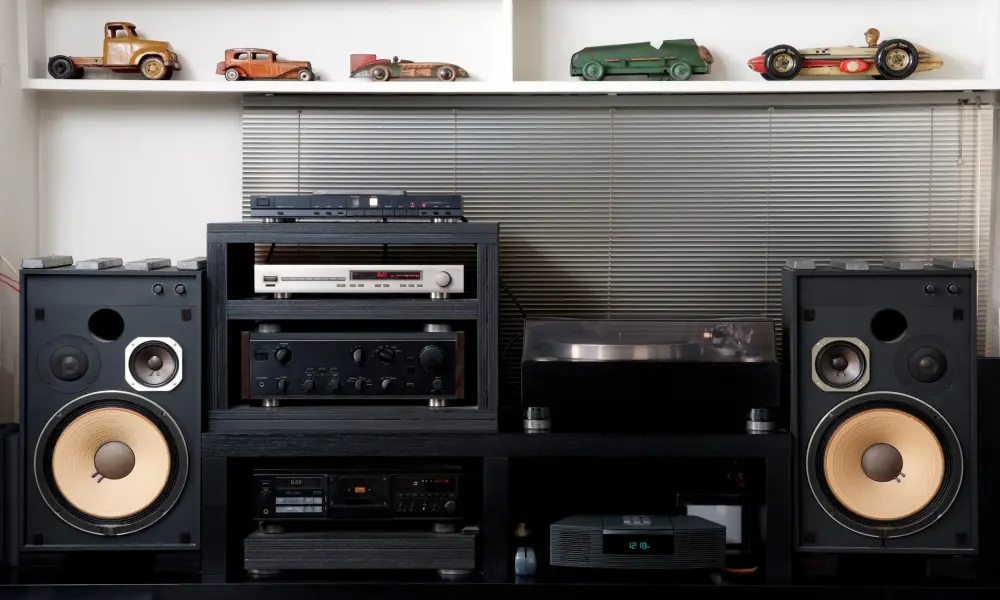
Unshielded speaker cables
Advantages:
- More affordable prices.
- Easier to bend and install.
- Lightweight and convenient for simple setup.
Disadvantages:
- Easily affected by electromagnetic interference (EMI) and radio frequency interference (RFI).
- Not suitable for professional audio systems or applications requiring high signal stability.
Things to consider when choosing shielded speaker cables
To choose the right shielded speaker cable for your audio system and optimize signal transmission, you should consider the following points:
- Determine the appropriate cable type for each application, such as home audio systems, recording studios, cafes, auditoriums, or performance stages.
- Choose the type of cable that best meets your needs, rather than relying solely on price or specifications that are more than necessary.
- Choose cables with high-quality copper cores to ensure stable signal transmission and minimize signal loss.
- Match the cable cross-sectional area to the speaker system's power rating and transmission distance to maintain optimal performance.
- Prioritize cables with high-quality shielding layers such as foil shield, braided shield, or a combination of both for environments with many electrical devices or sources of interference.
- Choose cables with durable, abrasion-resistant outer sheaths that are suitable for the installation conditions to increase product lifespan.
- Choose a cable that is resistant to moisture, oxidation, and environmental impacts if the cable is used outdoors, installed inside walls, or in high-humidity environments.
- Look for products from reliable manufacturers to ensure material quality, technical standards, and durability.
Is it always necessary to have shielded speaker cables?
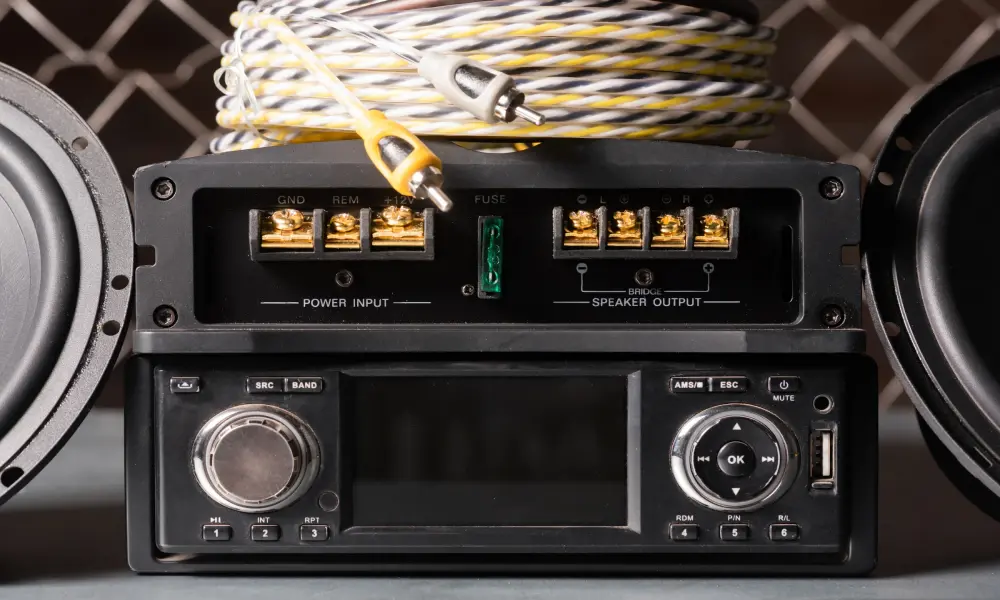
The answer is no. Whether or not you need to use shielded speaker cables depends on the characteristics of your audio system and the installation environment.
For home audio systems or short-distance connections (typically under 5 - 10 meters), the signal transmitted from the amplifier to the speakers is a high-power signal, making it less susceptible to external electromagnetic interference. In these cases, a quality speaker cable with a suitable copper core is usually sufficient to ensure stable sound quality without the need for additional shielding.
Conversely, shielded speaker cables are effective in professional sound systems or environments with many sources of interference, such as performance stages, auditoriums, recording studios, conference centers, or areas with many electrical devices, LED lights, high-power amplifiers, or wireless signal transmission systems. Additionally, when transmitting signals over long distances (approximately 15 - 20 meters or more), shielded cables are also a worthwhile option to increase system stability.
Top 3+ high-quality speaker cables from HELU
As mentioned above, not all audio systems require shielded cables. Below are some high-quality audio cables from HELU, ensuring stable signal transmission, high durability, and long-term performance.
| Product name | Conductor | Insulation | Outer sheath | Key features |
| HELUSOUND® 400 PVC | Bare copper | PVC | PVC | Extremely flexible, UV-resistant, suitable for outdoor use |
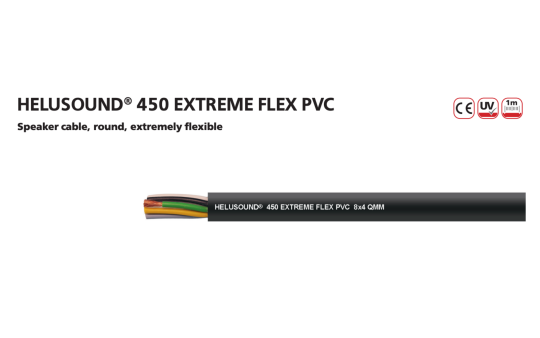
| HELUSOUND® 450 EXTREME FLEX PVC | Bare copper | PVC | PVC | Extremely flexible, UV-resistant, suitable for outdoor use |
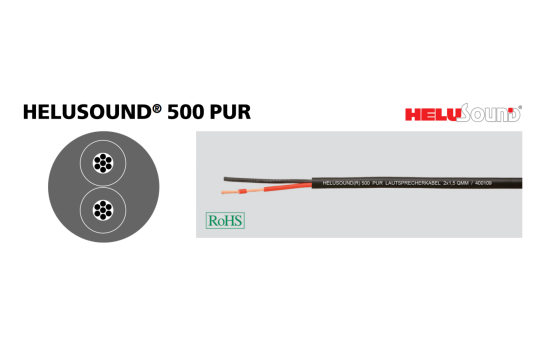
| HELUSOUND® 500 PUR | Bare copper | PVC | PUR | Suitable for outdoor use, withstands medium to high mechanical stress |
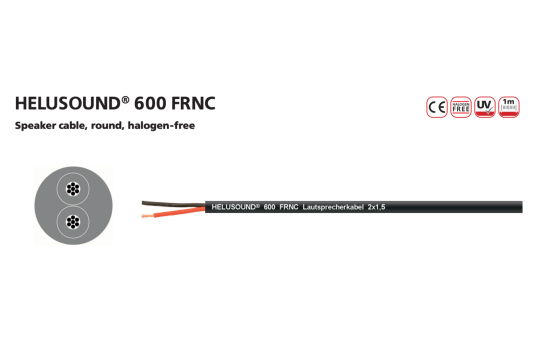
| HELUSOUND® 600 FRNC | Bare copper | FRNC | FRNC | UV-resistant, halogen-free, flame-retardant, low-smoke |
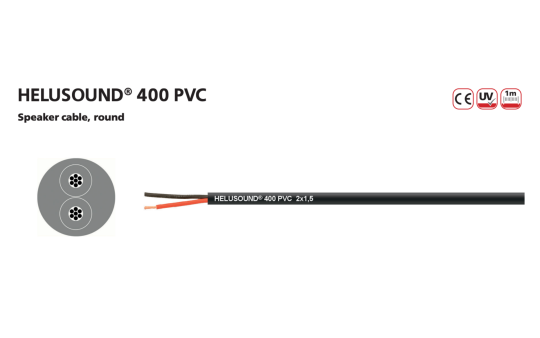
Among them, the HELUSOUND® 400 PVC and HELUSOUND® 450 EXTREME FLEX PVC are two types of speaker cables suitable for both mobile and fixed installations, usable indoors and outdoors, eliminating the need for multiple storage. These products are commonly used in festivals, professional stage performances, as well as in studios and broadcast.
Thanks to their soft copper core (Class 6) combined with a specialized PVC sheath, HELUSOUND® 400 PVC and HELUSOUND® 450 EXTREME FLEX PVC offer high flexibility, easy bending, and convenience during installation, winding, and unwinding. Simultaneously, optimized core braiding technology minimizes corkscrew formation, contributing to extended cable lifespan and consistent performance throughout use.
HELUSOUND® 500 PUR also has similar characteristics, with abrasion resistance, cut resistance, and stable performance both indoors and outdoors. Meanwhile, HELUSOUND® 600 FRNC is designed for applications requiring high safety standards in the event of a fire. Its flame-retardant, halogen-free core and sheath material results in low smoke development, and there is no corrosion damage due to released gases and vapors and no fire propagation in the event of local flame exposure. Therefore, HELUSOUND® 600 FRNC is a suitable choice for buildings such as public buildings, theaters, hospitals, schools, airports, etc.
If you're not sure which type of audio signal cable is right for your system, please contact us at HELU Vietnam so our team of engineers can assist you with advice and help you choose the right solution.