What type of signal cables should be used for a CCTV system?
A suitable and high-quality signal cable will ensure that the CCTV system transmits a stable, clear and uninterrupted signal, and will also determine the durability of the entire system. So, what types of cables are suitable for each CCTV installation need?
1. Why is choosing the right signal cable important in a CCTV system?
CCTV cameras are an indispensable part of modern surveillance systems and are widely used in industrial, residential, and commercial environments. While factors such as camera placement, quality, and resolution are often prioritized, signal cables are an equally important but often overlooked component. Choosing the right type of signal cable for your CCTV system directly impacts long-term performance, setup reliability, and video quality.
CCTV signal cables have two main functions: firstly, they act as a power source – supplying electricity to the camera; and secondly, they transmit video – providing data from the camera to the recording device. Choosing the wrong signal cable can lead to system failures under harsh conditions, along with the possibility of interference and noise, signal degradation and image clarity loss, and potentially even power outages for the entire system.
For these reasons, experts and wire manufacturers often emphasize selecting signal cables based on installation complexity, camera type, environment, and distance. Whether you are a facilities manager, procurement head, or security system installer sourcing, understanding the different types of signal cables for CCTV is absolutely essential.
2. Common types of signal cables for CCTV systems
Let’s explore some common types of signal cables for CCTV systems and analyze the advantages and disadvantages of each type!
2.1. Coaxial cables
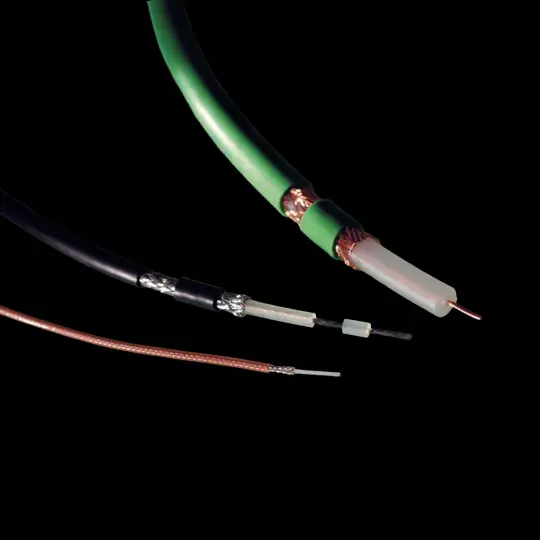
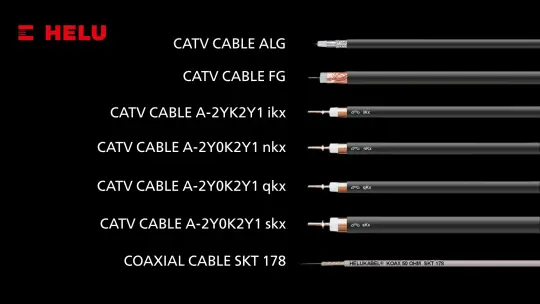
Coaxial cables are the preferred choice for analog CCTV systems. These types of signal cables have a structure that includes a metal shield, an outer sheath, a central conductor, and insulation to reduce electromagnetic interference (EMI).
Advantages:
- Reliable video transmission capabilities
- Affordable and easy to find
- Easy to install
Disadvantages:
- Not compatible with IP cameras
- Requires a separate power cable
2.2. Fiber optic cables
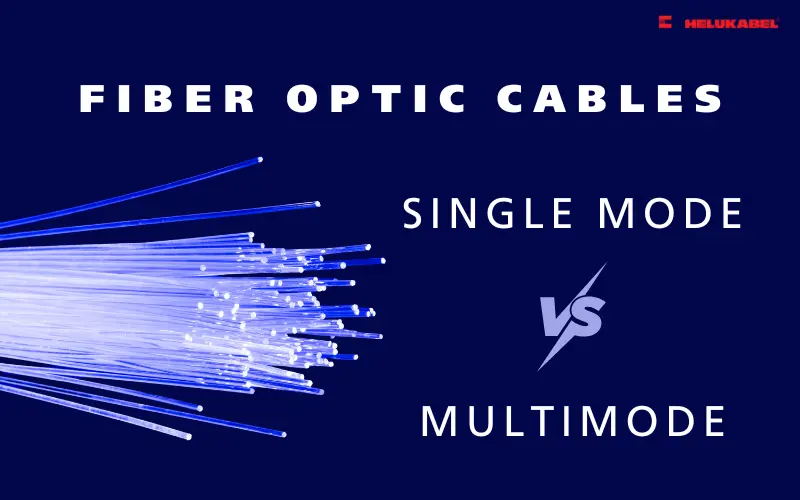
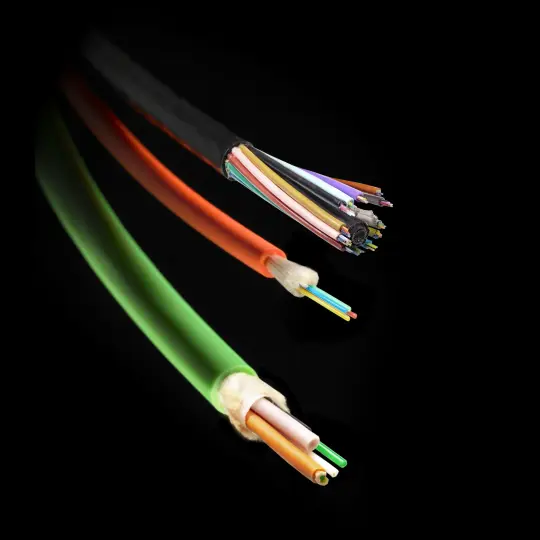
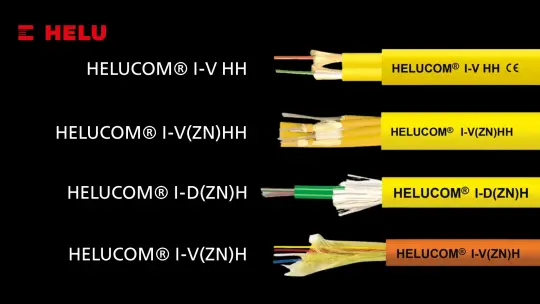
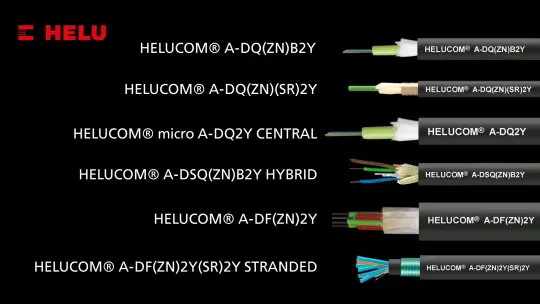
Fiber-optic cables are an excellent choice for city-wide surveillance networks, large campuses, and industrial areas. These types of signal cables use light to transmit data and provide superior clarity and speed over long distances.
Advantages:
- No electromagnetic interference (EMI)
- Supports long-distance systems
- Ultra-fast transmission
Disadvantages:
- High cost
- Not suitable for power supply
- Requires specialized installation and connectorsrs
2.3. Ethernet cables
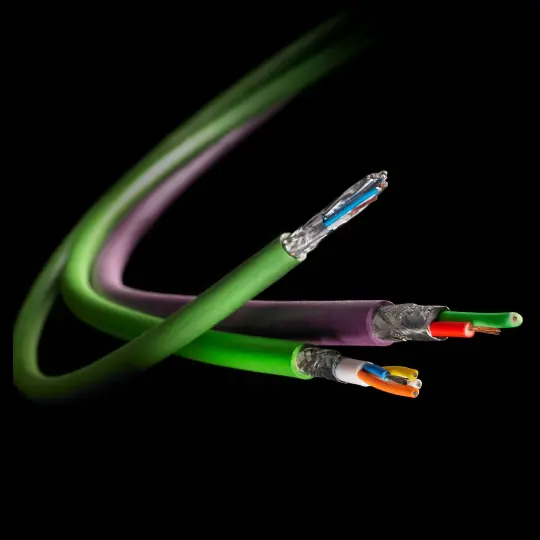
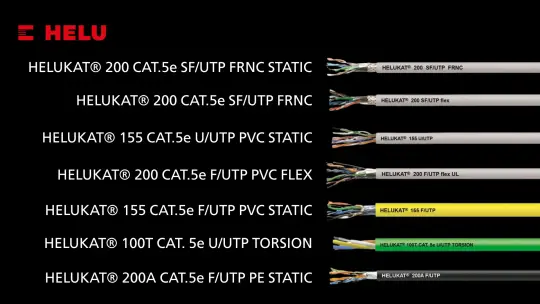
Ethernet cables support high-speed data transmission and PoE (Power over Ethernet), allowing both power and video signals to be transmitted through a single cable. These types of cables are best suited for networked IP surveillance camera systems. Specifically, for digital IP camera systems, Cat5e and Cat6 Ethernet cables are the preferred choices, suitable for high-performance and flexible CCTV solutions, maintaining stable and high-quality data transmission.
Advantages:
- Supports Power over Ethernet
- High-speed data transmission
- Flexible and scalable
Disadvantages:
- Easily susceptible to electromagnetic interference if not shielded
- Requires a network switch
2.4. Other types
In addition to the three signal cable types mentioned above, 4+1 and 3+1 cables are other specialized composite cables specifically designed for CCTV systems, featuring 4 (or 3) video signal conductors and 1 power conductor. Besides strong interference resistance and optimal signal transmission, this combined cable simplifies installation, reduces overall setup time, and provides practical and cost-effective solutions, especially for small to medium-sized systems.
3. Criteria for selecting signal cables for CCTV systems
Before ordering signal cables, you need to consider the following criteria to make the best decision:
3.1 Data rate requirements
Different environments require different data transmission speeds. A home security camera system may need lower bandwidth than high-traffic systems like those in shopping malls or hospitals. Therefore, first assess the system's data speed requirements and then choose a signal cable that can support the required speed without problems.
3.2 Coverage area and cable length
You should measure the total distance the signal cable needs to cover. It's recommended to always buy slightly longer cables than the measured distance, as this provides flexibility during installation. Longer coverage distances may require low-attenuation signal cables, such as fiber optics, to maintain signal quality.
3.3 Device compatibility
The recording equipment and CCTV cameras you are using need to be compatible with the type of signal cable you purchase. High-resolution IP cameras require fiber optic or Ethernet cables. On the other hand, 4+1 or coaxial cables work best for analog systems. Therefore, pay close attention to compatibility to avoid installation problems.
3.4 Data protection
Choose shielded signal cables to protect against electromagnetic interference, external noise, and the risk of signal loss. The shielding layer of the cable helps improve data integrity and ensure video quality, especially in environments with significant outdoor sunlight exposure.
3.5 Budget
Budget plays a crucial role when choosing signal cables. Compare options from multiple manufacturers to find the perfect balance between price and performance. While premium cables offer better interference resistance and durability, cost-effective options may suffice for temporary or small-scale CCTV systems.
3.6 Trusted manufacturers
When choosing a supplier for signal cables, you should prioritize reputable brands to ensure quality and safety. HELU is one of the leading suppliers in the market, offering high-performance products that meet international standards and are suitable for a wide range of industries.
4. Choose HELU's quality signal cables for CCTV systems
The performance of your surveillance camera system is directly impacted by the quality of the signal cables. From power stability to video clarity, the right type of signal cable ensures your surveillance system operates smoothly, safely, and efficiently. Whether you're installing a small residential system or managing a large-scale commercial network, choosing the right cable is crucial.
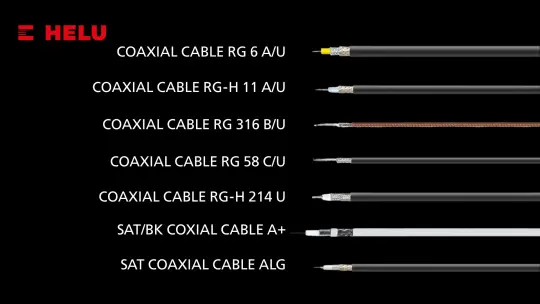
As one of Germany's leading wire manufacturers, HELU offers a wide range of electrical wires and cables compatible with CCTV, designed for high durability, optimal signal transmission, and safety. Please see some of our products below:
4.1. HELU’s coaxial cables
4.2. HELUCOM® fiber optic cables
4.3. HELUKAT® LAN cables
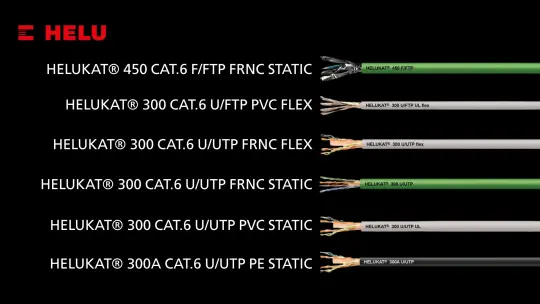
In addition to the types mentioned above, HELU also offers many other cable types. See the full categories here:
5. Prices of signal cables for CCTV systems
CCTV cable prices vary depending on the cable type, material quality, specifications, and length. Generally, coaxial and composite cables are the most economical options, suitable for small to medium-sized projects requiring a cost-effective solution. However, for applications requiring higher image resolution, longer distances, or greater durability against environmental elements, more advanced cables such as Cat6 or fiber optic cables should be chosen.
Fiber optic cables typically have a higher initial cost compared to other signal cable types. However, their long-term benefits, such as superior performance, high reliability, and minimized maintenance requirements, deliver significant value and cost-effectiveness over time. Similarly, Cat5e and Cat6 cables offer high-quality yet affordable solutions for IP-based CCTV systems, fitting various budgets and providing long-term operational reliability.
6. Helpful tips for using signal cables in CCTV
Here are some practical tips to help optimize performance and minimize risks when applying signal cables:
6.1. Tips for installing signal cables
Proper signal cable installation is essential to optimize the functionality of a surveillance camera system. Here are some suggestions to ensure effective installation:
- Installation planning: Before installation, create a detailed design for your surveillance camera system. Determine the placement of cameras, recording devices, and cable routing.
- Use high-quality cable connectors: Investing in high-quality connectors will ensure a reliable and secure connection. Weak connectors can lead to signal strength degradation and image quality problems.
- Reduce electrical interference: When installing shielded signal cables, keep them away from power lines to reduce interference, as interference can affect video quality.
- Thorough testing: After installation, conduct a comprehensive system test to verify the functionality of all connections and confirm that the video quality meets your standards.
- Outdoor cable protection: Use protective conduits for outdoor installations to protect signal cables from physical damage and external impacts.
6.2. Tips for maintaining signal cables
Regular maintenance can significantly increase the lifespan of CCTV cables. Here are a few maintenance tips you should follow:
- Document the installation process: Describe the installation process in detail, including the type of signal cable, its length, and its placement. This documentation is crucial for troubleshooting and future improvements.
- Keep connections clean: Check signal cable connectors for dirt and moisture. Use compressed air to clean the connections if necessary.
- Conduct regular inspections: Regularly monitor cables for signs of degradation, fraying, or damage, especially for outdoor installations exposed to environmental conditions.
- Technology upgrades: As technology advances, consider upgrading your cameras and signal cables to ensure compatibility with modern systems and optimal performance.
At HELU Vietnam, quality and compatibility are top priorities in our signal cable solutions. All HELU signal cables are manufactured to international standards, made from premium materials, and rigorously tested to ensure reliable performance in a variety of installation scenarios.
To find the right signal cable solution to meet your project requirements, contact our engineering team today!
HELU Vietnam Contact Information
| HELU Vietnam 905 Nguyen Kiem Street, Hanh Thong Ward, Ho Chi Minh City, 700000, Vietnam | Phone:
+84 28 77755578 Email: info@helukabel.com.vn | Connect with us on |
| Order through our online channels: Tiki | Shopee | Lazada | Product Finder | ||