Solid vs. stranded-conductor cables: Which one to choose?
Although both are classified as single-core cables, differences in conductor construction can significantly impact installation, durability, and overall performance. So, should you choose a solid-conductor cable or a stranded-conductor cable?
1. What are solid-conductor and stranded- conductor cables?
A solid-conductor single-core cables consists of one continuous metal conductor, typically copper. Its cross-section is commonly indicated by the American Wire Gauge (AWG) system, where a smaller AWG number corresponds to a larger conductor cross-section. Because the conductor is made from a single piece of metal, solid conductors generally offer low electrical resistance and stable signal transmission, even across relatively long distances.
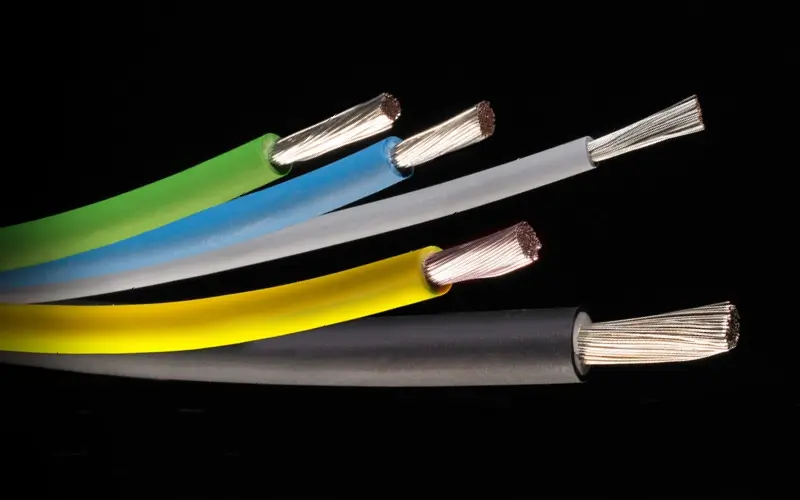
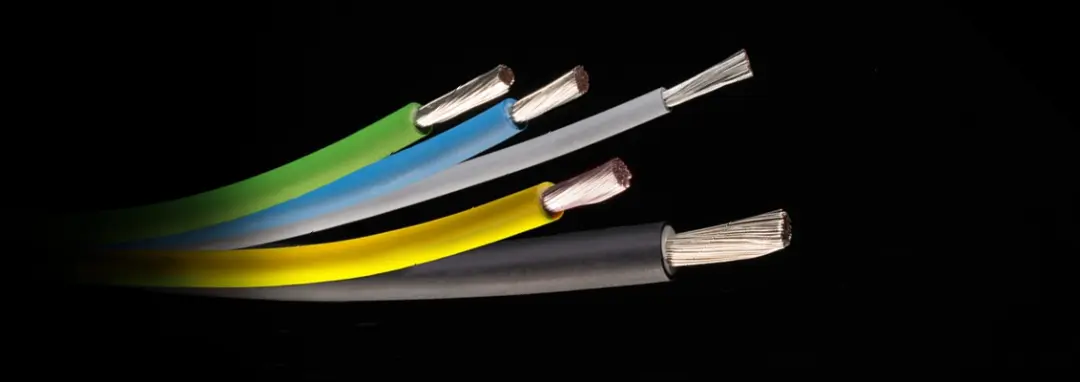
In contrast, a stranded-conductor cable contains multiple thin metal stranded together to form a single conductor. These cables are often marked with specifications such as “A×B AWG,” indicating the number of strands and the gauge of each strand. While functioning as a single conductor, the stranded construction gives the cable distinct mechanical and electrical characteristics compared to solid conductors.
2. Advantages and disadvantages of solid-conductor cables
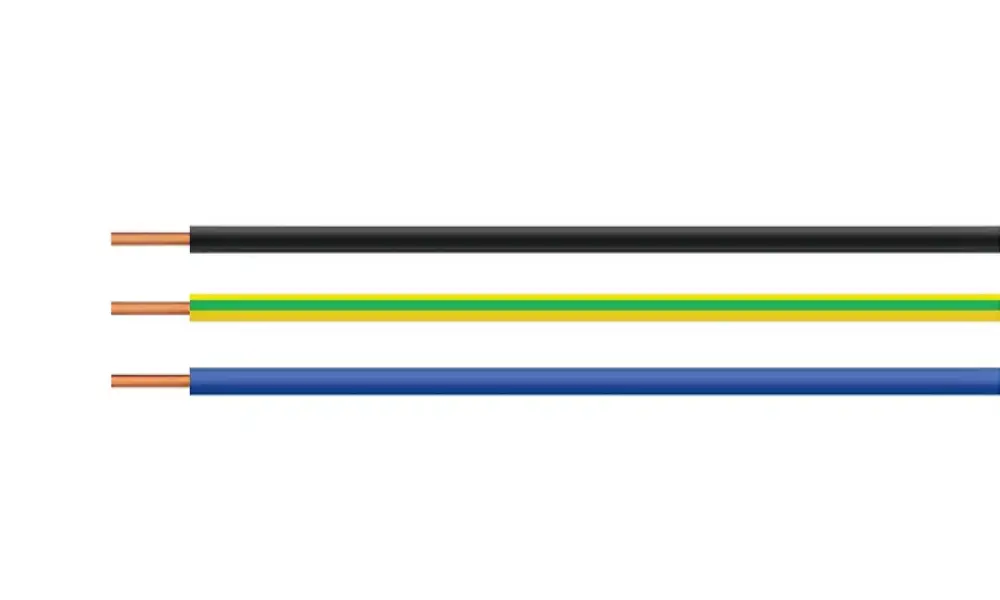
Solid-conductor cables offer several benefits, but they also come with certain limitations.
2.1. Advantages
Excellent conductivity and signal integrity: Solid-conductor cables typically provide lower electrical resistance and more consistent conductivity than stranded conductors. As a result, they are commonly used in applications where signal quality is critical, such as structured cabling systems, data centers, and certain high-frequency installations.
Mechanical stability: Due to the rigid construction, solid conductors maintain their shape well and are less likely to deform during installation. This makes them particularly suitable for permanent wiring systems where the cable remains stationary after installation.
Cost efficiency: The simpler manufacturing process of solid conductors generally results in lower production costs, making it a cost-effective option for large-scale projects where budget optimization is important.
2.2. Disadvantages
Because it consists of a single conductor, solid-conductor cables are less tolerant of repeated bending, flexing, or movement. Continuous mechanical stress can gradually weaken the conductor and increase the risk of surface damage over time. In environments exposed to vibration or frequent motion, they may reduce long-term reliability compared to stranded alternatives.
3. Advantages and disadvantages of stranded-conductor cables
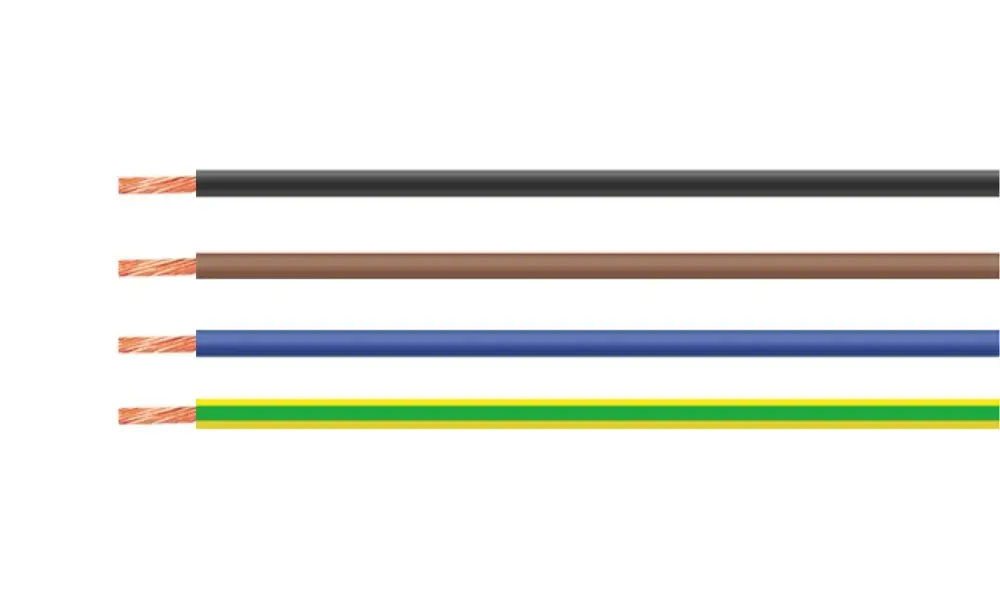
Stranded-conductor cables are designed to offer greater flexibility, but they also involve certain trade-offs.
3.1. Advantages
High flexibility: Compared to solid conductors, stranded conductors are significantly more flexible. This makes them easier to route through tight spaces and suitable for applications that require frequent movement or repositioning.
Better resistance to repeated bending: The multiple-strand construction allows the cable to withstand repeated bending and flexing without easily breaking, making it ideal for dynamic environments.
Simplified installation: Its flexibility often makes installation easier, particularly in confined spaces or complex cable routing situations where solid conductors may be difficult to handle.
3.2. Disadvantages
Stranded conductors may exhibit slightly higher electrical resistance and voltage drop compared to solid conductors of the same size. They can also be more susceptible to corrosion if moisture penetrates between the individual strands. In addition, stranded conductors typically require more careful termination methods and may involve higher manufacturing and installation costs.
4. Comparison of solid- and stranded-conductor cables
The following table provides a clear comparison between solid- and stranded conductor cables.
| Criteria | Solid-conductor cables | Stranded-conductor cables |
| Conductor structure | Consists of a single solid conductor | Consists of multiple smaller strands |
| Mechanical durability | Maintains its shape well but is more susceptible to fatigue from repeated bending | Better resistance to vibration and repeated flexing |
| Flexibility | Less flexible, can break if repeatedly bent or flexed | Highly flexible and suitable for frequent bending, movement, and vibration |
| Abrasion resistance | Less surface area exposed to the environment, thus better resistance to oxidation. | More susceptible to oxidation if the insulation is damaged and moisture penetrates between the conductors |
| Current capacity | Generally offers better current-carrying capability for the same conductor size due to the absence of air gaps | May require a slightly larger cross-sectional area to achieve the same current capacity because of air gaps between strands |
| Routing and installation | Harder to route around tight corners and obstacles | Easier to install in confined spaces thanks to its flexibility |
| Ampacity | Similar ampacity to stranded conductors of the same gauge in typical 50/60 Hz applications | Similar ampacity to solid conductors of the same gauge in typical power distribution applications |
| Electrical performance | Lower DC resistance, stable electrical characteristics, and generally higher conductivity | Slightly higher DC resistance and attenuation due to air spaces between strands |
| Distance performance | Better suited for longer cable runs due to lower resistance and current dissipation | More commonly used for shorter runs or applications where flexibility is required |
| Cost | Typically more cost-effective because manufacturing is simpler | Usually more expensive due to the additional stranding process |
5. When should you choose solid-conductor cables?
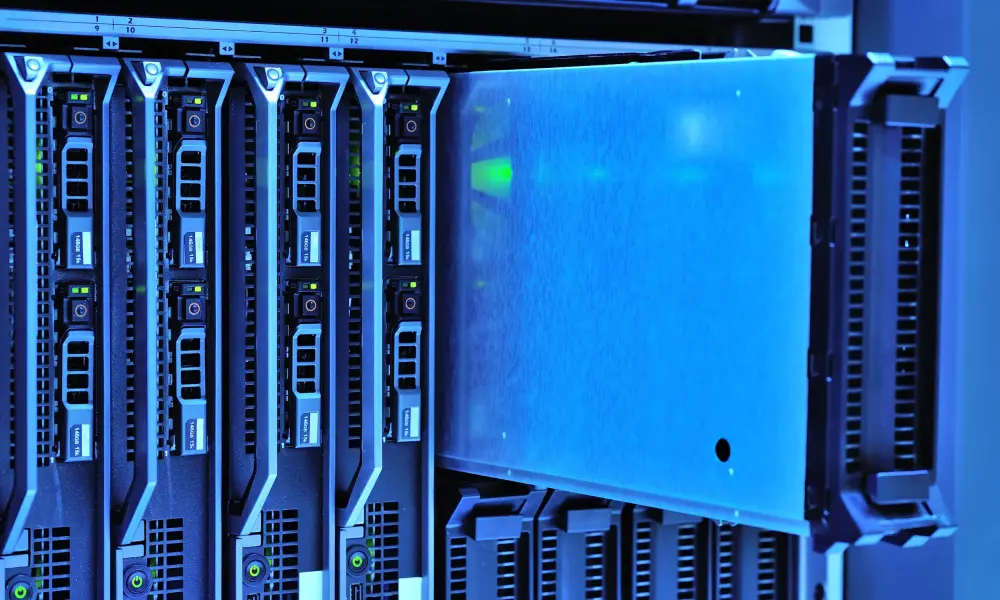
Thanks to their high stability and ability to maintain performance in fixed applications, solid-conductor cables are commonly used in the following situations:
Fixed installation applications: The solid-conductor structure helps the cable maintain its shape well after installation, making it suitable for wiring systems in walls, ceilings, or conduits where frequent bending or relocation is not required.
Network infrastructure: Solid-conductor cables are typically deployed in critical cabling routes or building structure cabling systems where stable long-term connections are required and minimal operational changes are necessary.
Data centers: With their ability to transmit signals stably and with low attenuation, solid-conductor cables are a popular choice for fixed network cabling systems in data centers and server rooms.
6. When should you choose stranded-conductor cables?
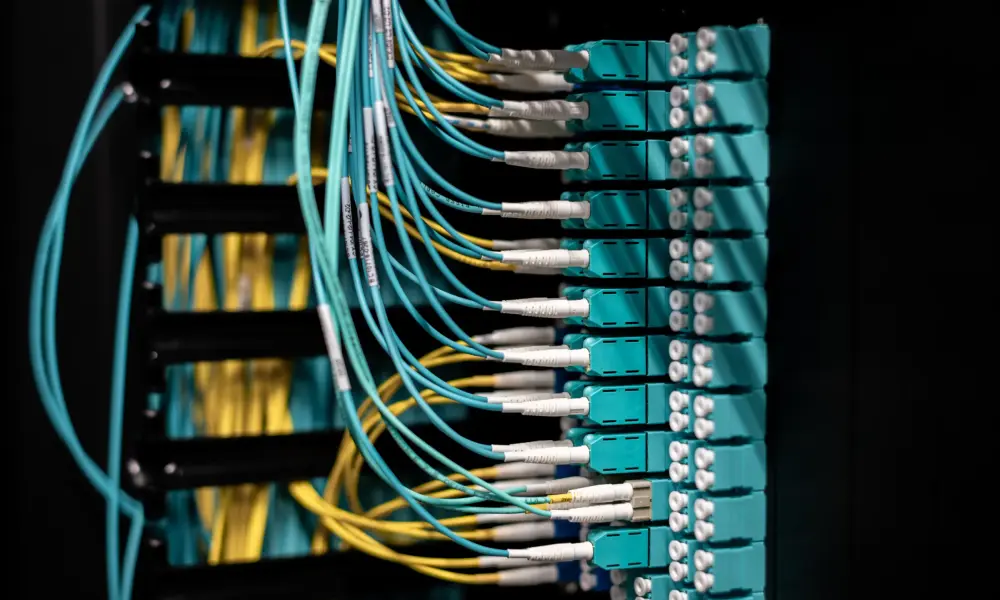
With its high flexibility and good bending resistance, stranded-conductor cables are often preferred in the following applications:
Mobile devices: Devices that are frequently moved or repositioned, such as laptops, handheld devices, and electrical systems with moving parts, are well-suited to flexible stranded-conductor cables due to their ability to withstand continuous mechanical stress.
Temporary installation systems: For applications requiring flexibility during construction, maintenance, or configuration changes, stranded-conductor cables are a convenient solution due to their ease of installation, relocation, and reuse.
Equipment connection cables: In industrial network or electrical systems, connection cables that need to be frequently plugged in, unplugged, or repositioned often use stranded-conductor cables to reduce the risk of damage from repeated bending.
7. Is it possible to use both solid- and stranded-conductor cables simultaneously?
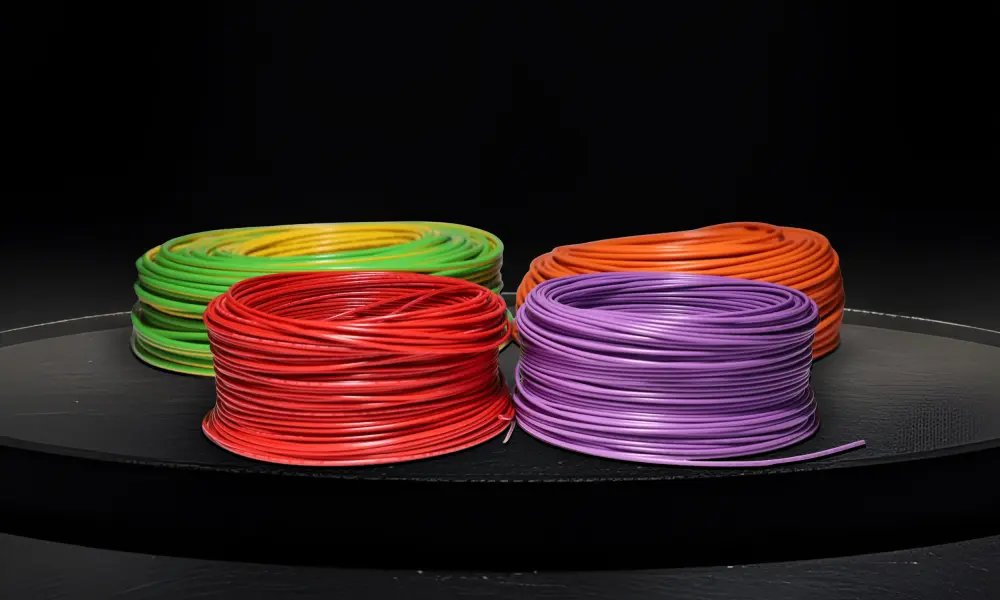
The answer is absolutely yes. In many current electrical systems, both solid- and stranded-conductor cables are often combined to meet various installation requirements. Solid-conductor cables are typically chosen for fixed cabling due to their good shape retention and high stability. Conversely, stranded-conductor cables are more suitable for areas requiring flexibility, such as control panels, electrical equipment, or locations frequently subjected to vibration.
However, combining these two types of single-core cables requires technically correct connection points. Accessories such as terminals, connectors, or plugs must be compatible with the conductor structure to ensure stable and safe electrical contact during operation. Improper selection or installation can lead to loose connections, heat generation, or reduced system efficiency.
When properly designed and installed, the simultaneous use of both solid- and stranded-conductor cables not only takes advantage of the unique strengths of each type but also contributes to improving the reliability and operational efficiency of the entire electrical system.
In addition to standard single-core cables, we HELU also offer specialized solutions such as single-core cables compatible with drag chains, and other single-core cables to meet various special requirements. For advice on selecting the right product for your specific application, please feel free to contact our team of engineers!
8. HELU's prominent single-core cables
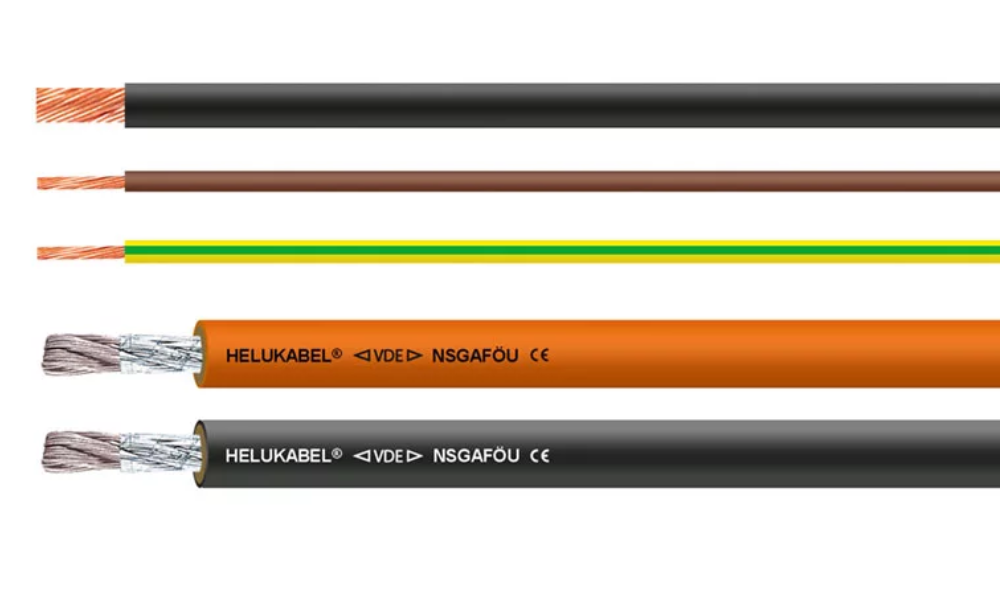
At HELU, we offer a diverse range of single-core cables to meet various voltage requirements, installation environments, and industrial applications. Below are some of our featured products:
Solid-conductor single-core cables:
Stranded-conductor single-core cables:
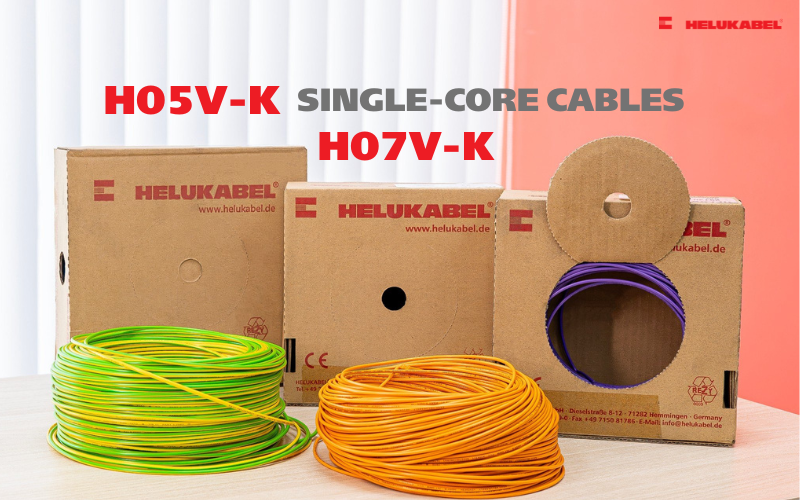
- H05V-K single-core cable
- H07V-K single-core cable
- H07Z-K / 07Z-K single-core cable
- NSGAFÖU 1,8/3 kV single-core cable
In addition to standard single-core cables, we HELU also offer specialized solutions such as single-core cables compatible with drag chains, and other single-core cables to meet various special requirements. For advice on selecting the right product for your specific application, please feel free to contact our team of engineers!