Decoding MC4 connectors: How their design prevents water ingress
In our previous article, HELU introduced the features that help MC4 connectors effectively reduce overheating. Continuing this series, we now address another critical question: Are MC4 connectors waterproof?
Solar systems are typically installed outdoors, where they are exposed to various environmental conditions such as rain, high humidity, and other moisture-related factors. Therefore, the waterproof capability of MC4 connectors is a key factor in ensuring stable, safe, and long-term system performance. In this article, we will explore how MC4 connectors are designed to prevent water ingress, as well as the practical measures you can take to optimize their protective performance.
1. MC4 connectors and their waterproof capability
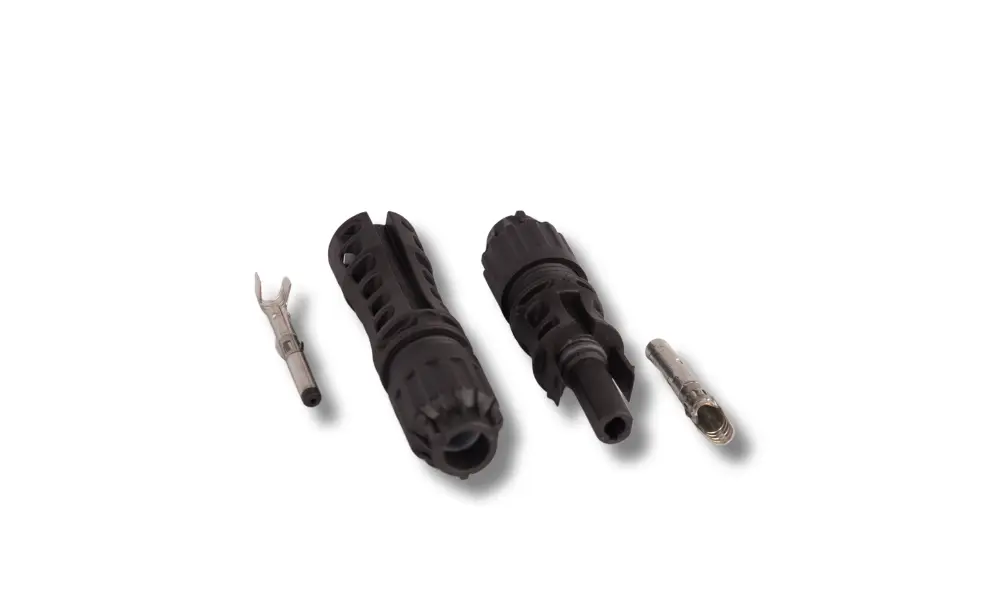
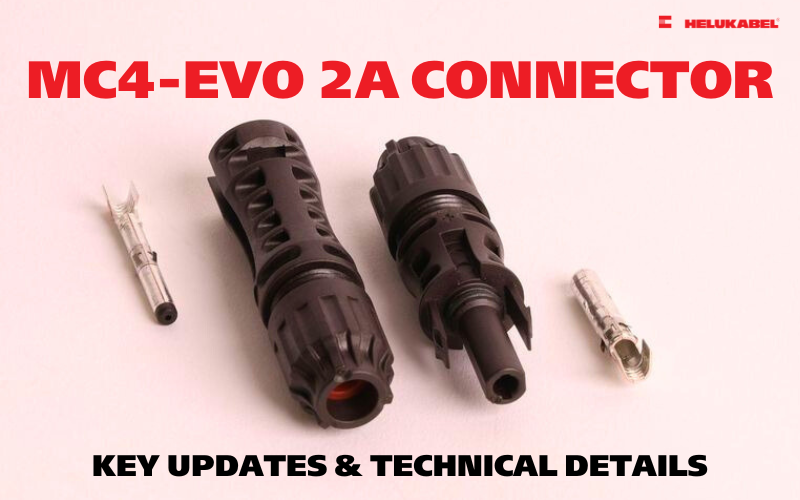
Complete set of MC4-Evo2A connectors
1.1 What are MC4 connectors?
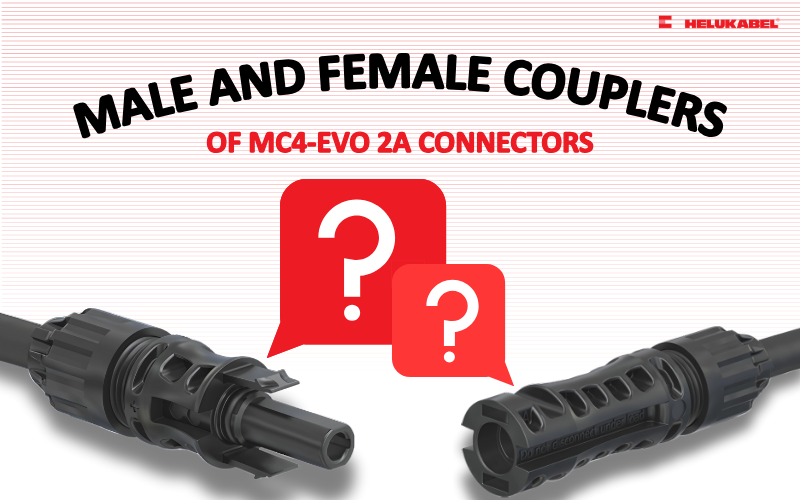
MC4 connectors are essential components used to connect solar panels within photovoltaic systems. They consist of a male and a female coupler that can be easily mated to form a secure and durable connection over time. This ensures continuous power transmission from one panel to another, enabling the system to operate efficiently.
Since solar panels are typically installed outdoors, MC4 connectors are specifically designed to withstand environmental factors such as sunlight, wind, rain, and other weather conditions. But how exactly do they prevent water ingress?
1.2 Why is waterproofing important for MC4 connectors?
Waterproofing is a critical factor that determines the durability and performance of MC4 connectors in solar power systems. Ensuring a fully sealed connection provides several key benefits:
- Enhanced durability: Preventing water and moisture ingress helps reduce corrosion, extending the lifespan of the connectors and minimizing replacement frequency.
- Stable performance: A properly sealed connection maintains consistent electrical conductivity, avoiding power loss caused by increased resistance or poor contact.
- System safety: Effective waterproofing reduces the risk of short circuits, electrical arcing, or system failures, ensuring safety for both the system and its operators.
The waterproof capability of MC4 connectors is not just a physical protection feature - it is a fundamental requirement for ensuring long-term efficiency, reliability, and safety in solar power systems.
2. Causes of water ingress in MC4 connectors
Water ingress is a critical concern for connectors used in solar systems. As a key component responsible for maintaining overall system performance and lifespan, MC4 connectors must remain properly sealed. When moisture or water penetrates the connector, it can lead to metal corrosion, reduced electrical conductivity, decreased transmission efficiency, and even system failures or damage.
In real-world operation, water ingress in MC4 connectors does not occur randomly. It is typically caused by a combination of factors related to material quality, installation practices, and environmental conditions. Therefore, understanding the root causes of water ingress enables users to take preventive measures and select connectors that are better suited for harsh outdoor environments.
2.1 Inadequate sealing
Insufficient sealing is the most common cause of water ingress in MC4 connectors. This issue often arises when rubber seals (O-rings) are improperly installed, incompatible with the connector, or made from low-quality materials that degrade over time.
When the sealing system fails to perform effectively, small gaps can form, allowing rainwater and moisture to penetrate the connector. This can result in contact corrosion and a decline in electrical performance across the entire solar power system.
2.2 Degraded insulation over time
After prolonged operation, cables and connectors may experience the following issues:
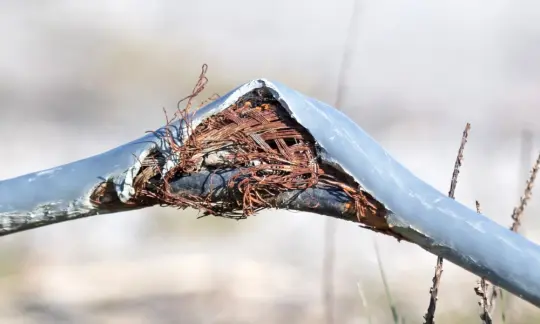
- The outer sheath may crack, break, or deteriorate
- Internal insulation materials gradually degrade under high temperatures and harsh environmental conditions
These forms of degradation create weak points that allow moisture and water to penetrate the connector. This is particularly critical in high-humidity environments, where it can accelerate corrosion and significantly reduce electrical transmission performance.
2.3 Improper installation technique
During installation, several common mistakes can lead to water ingress:
- Loose connections or connectors not fully locked
- Improper crimping of contacts
- Failure to use specialized tools or incorrect installation procedures
These errors create small gaps at connection points, allowing moisture and rainwater to gradually enter over time. This can lead to contact corrosion and reduce both the performance and safety of the solar power system.
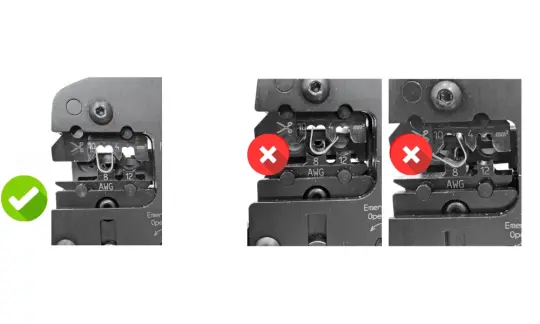
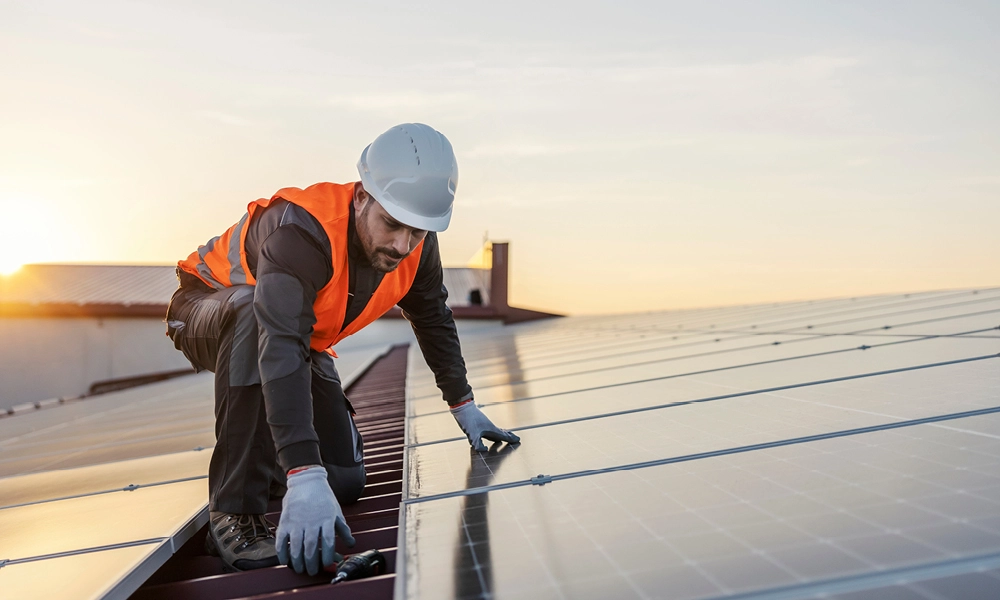
Solar systems can be installed in a variety of environmental conditions. As a result, MC4 connectors must also withstand the corresponding environmental challenges
2.4 Environmental impacts
Harsh environmental conditions significantly increase the risk of water ingress:
- High temperatures and UV exposure accelerate material aging: High-altitude regions offer strong solar potential but also expose MC4 connectors to intense UV radiation.
- Prolonged rain and high humidity increase moisture accumulation: This is especially critical in floating solar applications.
- Continuous temperature fluctuations cause material expansion and contraction:
This can create gaps that allow water to penetrate.
Environmental degradation often acts as a trigger, making existing technical weaknesses more severe over time.
2.5 Misjudging actual installation conditions
Solar systems are deployed across a wide range of environments, meaning MC4 connectors must withstand different operational challenges:
- Coastal areas: High humidity and salt exposure
- Industrial zones: Dust, chemicals, and pollutants
- Fully exposed outdoor installations: Continuous exposure to rain and sunlight
If real-world conditions are not properly assessed, the selected connectors and installation methods may be unsuitable, increasing the risk of water ingress.
3. Decoding HELU MC4 connectors: How their design prevents water ingress
MC4 connectors are not just simple connection points between solar panels - they also play a critical role in protecting the entire system from environmental impacts, especially water and moisture.
For this reason, MC4 connector solutions from HELU are developed to meet higher technical standards, with a strong focus on waterproofing, sealing performance, and durability in harsh outdoor conditions. But how exactly does the MC4 connector design prevent water ingress?
3.1 Rubber sealing ring
One of the most important components is the rubber sealing ring located inside the mating interface between the male and female MC4 connectors. When the connectors are properly locked, this sealing ring forms a tight barrier. This design effectively prevents water, dust, and contaminants from entering the contact area. It serves as the first and most critical line of defense, directly determining the waterproof performance of MC4 connectors.
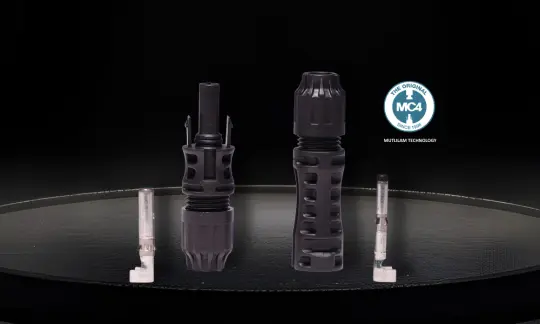
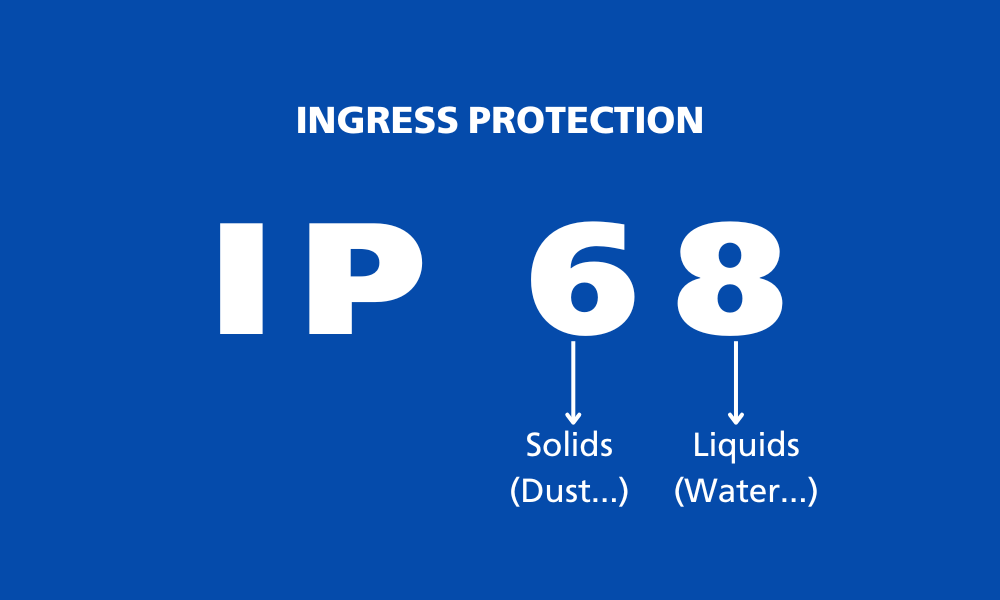
The MC4-Evo 2A connector meets the IP68 standard
3.2 MC4-Evo2A connectors with IP68 rating
The IP (Ingress Protection) rating is a well-established standard for evaluating the resistance of electrical devices against dust and liquids. It is a key indicator of the waterproof capability of MC4 connectors in solar systems.
Across different generations, MC4 connectors from HELU are designed to perform reliably in harsh outdoor environments:
- MC4 (standard version): IP67
- MC4-Evo2: IP68
- MC4-Evo2A: IP65 and IP68
The MC4-Evo2A is the most advanced version and is widely used today. With an IP68 rating (the highest level of protection), it is designed to withstand continuous immersion under specified conditions. This makes it particularly suitable for high-humidity environments or applications with frequent exposure to water.
Thanks to these ratings, MC4 connectors can operate reliably in harsh outdoor conditions such as heavy rain, high humidity, and dusty environments. However, to achieve maximum waterproof performance, proper installation and complete locking of the connectors are essential, as the IP rating is only valid when the connector is correctly mated according to design specifications.
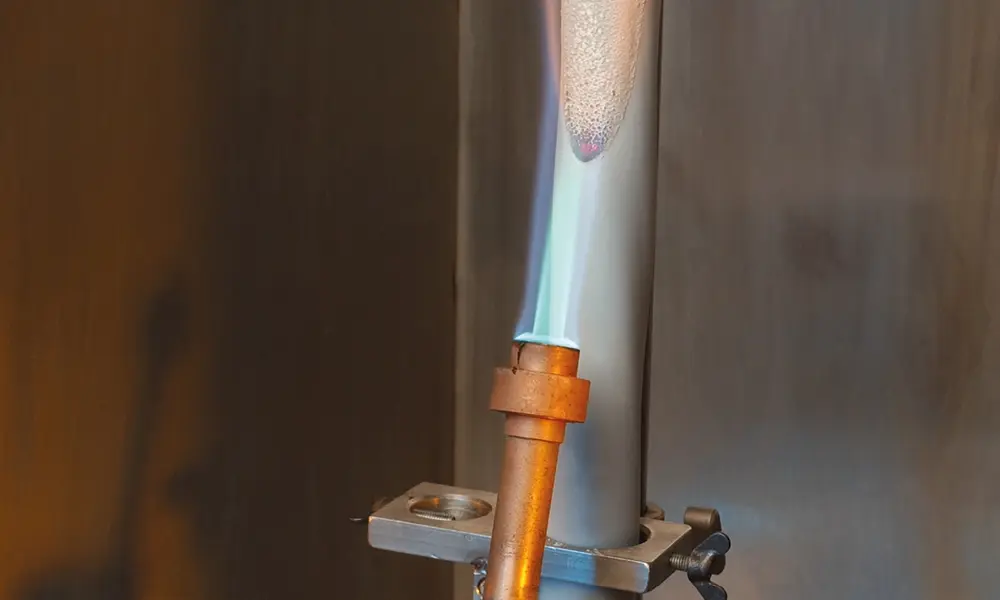
HELU's MC4 connectors meet the UL 94 flame-retardant standard
3.3 Weather-resistant materials
MC4 connectors from HELU are manufactured using durable PA (polyamide) materials with the following characteristics:
- UL 94 flame-retardant rating: This standard evaluates how plastic materials respond to open flame exposure, including ignition time, self-extinguishing capability, and whether burning droplets can ignite a cotton indicator below.
- UV resistance: Capable of withstanding strong solar radiation, minimizing brittleness and cracking over time.
- Resistance to rain, humidity, and temperature fluctuations: Ensures the connector maintains its structural integrity without deformation or performance degradation.
As a result, the connector structure remains tightly sealed, effectively preventing water ingress while maintaining stable electrical performance even in the harshest environmental conditions.
3.4 Reliable operation at altitudes up to 5000 m above sea level
The MC4-Evo2A connector is certified to operate reliably at altitudes of up to 5000 meters above sea level, as verified by TÜV Rheinland . Although this feature is not directly related to waterproofing, it clearly demonstrates the connector’s durability under extreme conditions. At high altitudes, connectors must withstand large temperature variations between day and night, increased UV radiation, low air pressure and rapidly changing weather conditions (rain, fog, snow).
In the Vietnamese market, while extreme altitude is less common, similar environmental challenges still exist, including high humidity, prolonged rainy seasons, high temperatures, and strong UV exposure.
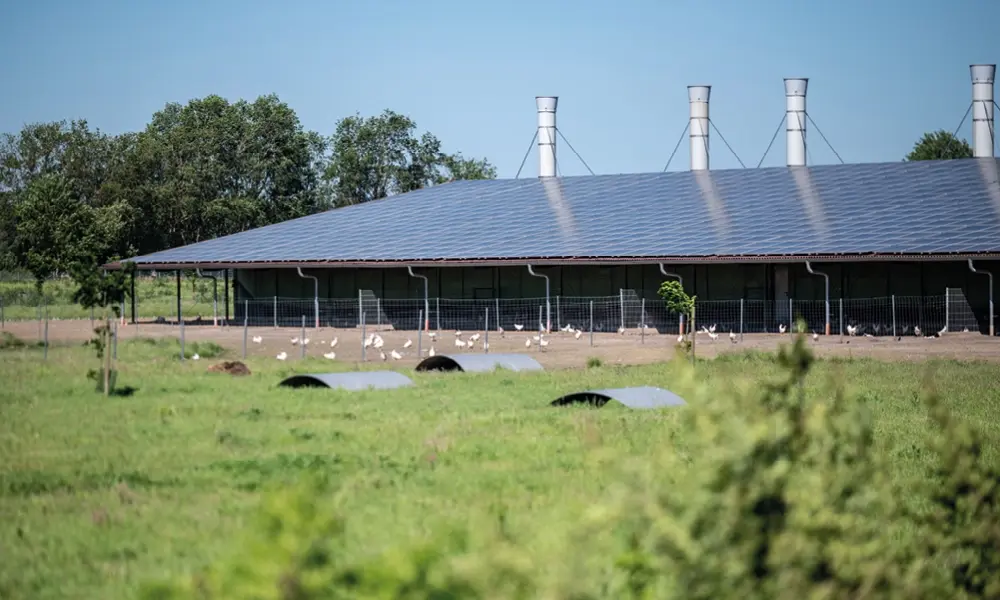
Ammonia resistance ensures that MC4 connectors operate reliably in mildly corrosive environments, such as livestock farms or agrivoltaic systems
3.5 Ammonia resistance of MC4-Evo2A connectors
This is a distinctive feature of MC4-Evo2A connectors from HELU that is not commonly found in all products on the market. The connectors are certified for ammonia resistance by TÜV Rheinland in accordance with 2 PfG 1911/03.2011.
Ammonia resistance enables MC4 connectors to operate reliably in mildly corrosive environments such as livestock farms or agricultural photovoltaic systems, where NH₃ exposure combined with high humidity can degrade materials over time. These conditions are particularly relevant in many regions of Vietnam.
3.6 Compliance with Safety Class II (IEC)
MC4 connectors are designed in accordance with Safety Class II (IEC), providing a high level of electrical safety for modern solar systems. According to IEC, Class II equipment utilizes double or reinforced insulation to prevent electric shock without requiring protective grounding (PE).
In HELU’s MC4 connectors, this is achieved through high-quality insulating housing and a fully enclosed structure when mated. As a result, the connectors not only ensure safe operation at high voltages (up to 1500V DC) but also maintain long-term reliability in harsh outdoor environments. Although Safety Class II is not directly related to waterproofing, it plays an important role in maintaining system safety and durability.
3.7 Snap-in locking mechanism
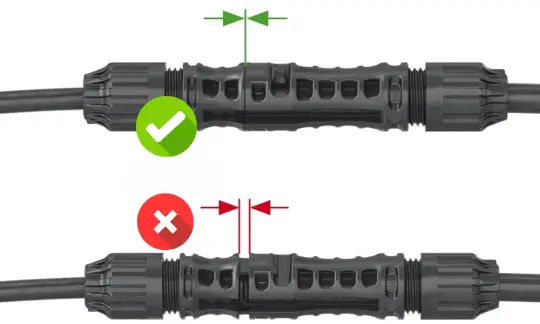
MC4 connectors feature a snap-in locking mechanism combined with safety clips to prevent accidental disconnection. At first glance, this mechanism primarily ensures a secure mechanical connection, preventing the connectors from loosening or separating during outdoor operation. However, it also provides an important additional benefit: enhanced protection against water ingress.
When properly locked, the connectors are tightly compressed together, minimizing any gaps that could allow water, moisture, or dust to enter. This not only protects the internal electrical contacts but also helps maintain the IP-rated sealing performance and long-term durability of the system in harsh environmental conditions.
4. Tips to maintain and enhance the water ingress protection of MC4 connectors
In addition to the built-in waterproof features of MC4 connectors, proper installation, maintenance, and protective measures are essential to ensure long-term performance and reliability.
- Proper installation: Ensure that the connectors are installed according to the manufacturer’s instructions. This includes fully inserting and securely locking the connectors to prevent water or moisture from entering.
- Use specialized tools: Use dedicated MC4 crimping tools to properly secure the connectors. This ensures consistent connection quality and tight sealing, avoiding gaps or damage caused by improper manual installation.
- Avoid mechanical stress: Do not overstretch or excessively bend the cables during installation, as this may create gaps at the connection points and compromise waterproof performance.
- Regular inspection and maintenance: Periodically check the connectors for any visible damage, cracks, or signs of aging, and ensure they remain in proper working condition.
- Additional protective measures: In harsh environments, consider using extra protection such as waterproof tape or protective covers to enhance the connector’s resistance to environmental factors.
- Avoid prolonged submersion: Even connectors with high IP ratings are not designed for long-term submersion. Ensure they are not installed in locations where water can accumulate or cause flooding.
If you still have any concerns or questions, don't hesitate to reach out to HELU Vietnam's engineering team promptly for detailed assistance.
Contact Information HELU Vietnam
| HELU Vietnam 905 Nguyen Kiem Street , Hanh Thong Ward, Ho Chi Minh City, 700000, Vietnam | Phone:
+84 28 77755578 Email: info@helukabel.com.vn | Connect with us on |
| Order through our online channels Tiki | Shopee | Lazada | Product finder | ||