What is an HDMI cable? Versions, Types, and How to choose
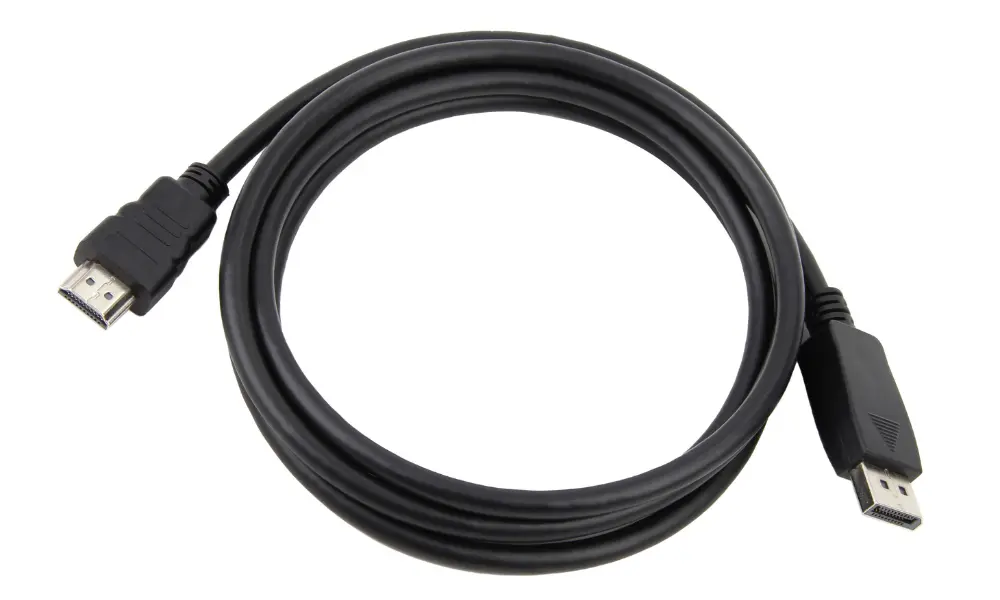
An HDMI cable (High-Definition Multimedia Interface) is a digital cable that transmits high-definition video and audio between electronic devices — TV, monitor, projector, PC, Blu-ray player, or game console — over a single connection. Unlike older analog standards (VGA, composite, component), an HDMI cable carries both video and audio simultaneously, simplifying connections and supporting resolutions from Full HD up to 8K. The three most common HDMI versions today are HDMI 1.4 (Full HD / basic 4K), HDMI 2.0 (4K/60fps, HDR), and HDMI 2.1 (8K, 4K/120fps, VRR). This article explains the difference between HDMI versions, cable types, connector types, and how to select the right HDMI cable for your application.
1. Understanding HDMI cables
1.1 What are HDMI cables
HDMI stands for High-Definition Multimedia Interface. It is a standard for transmitting high-quality audio and video signals through a single cable. HDMI combines video, audio, and other data into one streamlined connection, simplifying device setups while preserving signal quality.
This results in a superior home entertainment experience, especially with modern home theater systems. HDMI is now the standard connection for consumer electronics like TVs, gaming consoles, Blu-ray players, and also finds use in professional setups such as projectors and cameras.
1.2 HDMI versions
The first HDMI version (HDMI 1.0) was introduced in 2002, replacing traditional analog signal cables. Since then, it has gone through several upgrades:
- HDMI 1.4: Introduced support for HD content such as digital TV broadcasts and cable at 720p and 1080i resolution. It became widely adopted for general consumer use.
- HDMI 2.0: Offered significant upgrades including 4K resolution at 60Hz, bandwidth up to 18Gbps, and support for up to 32 audio channels. HDMI 2.0b added support for HDR (High Dynamic Range) and HLG (Hybrid Log-Gamma), enhancing video quality for broadcasting.
- HDMI 2.1: Released in 2017, this version brought a massive leap in performance. It supports 8K at 60Hz, 4K at 120Hz, and up to 10K resolution. Other features include Dynamic HDR, Enhanced Audio Return Channel (eARC), and Variable Refresh Rate (VRR) for smoother gaming experiences.
Which HDMI version should you choose?
| Version | Bandwidth | Max resolution | Key features | Best suited for... |
| HDMI 1.4 | 10.2 Gbps | 4K/30fps | ARC, 3D | Full HD TVs, older monitors, basic setups |
| HDMI 2.0 | 18 Gbps | 4K/60fps | HDR, eARC, 32-channel audio | 4K TVs, PC gaming, 4K monitors |
| HDMI 2.1 | 48 Gbps | 8K/60fps, 4K/120fps | VRR, ALLM, full eARC | 8K TVs, PS5/Xbox Series X, 144Hz+ gaming monitors |
Practical recommendation: For standard 4K TVs and monitors, HDMI 2.0 offers the best price-to-performance ratio. HDMI 2.1 is only necessary for 8K displays or next-gen consoles/GPUs running 4K at 120fps.
2. Benefits of HDMI cables

HDMI cables revolutionized signal transmission by enabling both audio and video to be delivered over a single cable. Key benefits include:
- High-Quality audio and video: HDMI transmits uncompressed signals, preserving original content quality for vivid, lifelike visuals and immersive audio.
- Simplified connections: One cable replaces multiple audio and video cords, reducing clutter and making installation easier.
- High-resolution support: HDMI supports Full HD (1080p), 4K, and even 8K resolutions, keeping pace with modern display technology.
- Smart Control (HDMI-CEC): Consumer Electronics Control (CEC) enables HDMI-connected devices to communicate and be controlled with one remote for greater convenience.
3. Types of HDMI connectors and cables
3.1 HDMI connector types
HDMI connectors are designed in various forms to suit different devices and usage scenarios. Each type of connector serves a specific group of devices, ranging from standard consumer electronics to compact mobile devices. Currently, there are five main types of HDMI connectors, including:
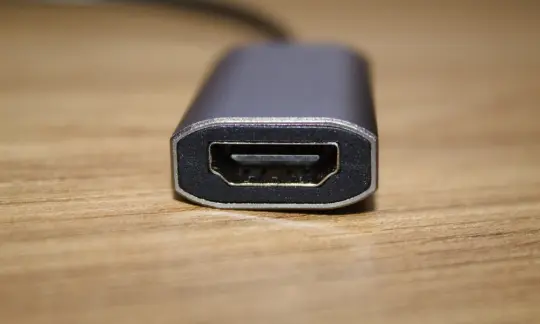
| Connector type | Description | Features | Applications |
| Type A | Standard HDMI connector found on TVs, laptops, game consoles… | 19 pins; transfers high-definition video and audio | Transmits digital signals between devices that support high-definition (HD) resolution. |
| Type C (mini-HDMI) | Smaller than Type A | 19 pins; same capabilities as Type A | Designed for devices with limited space, such as tablets, digital cameras, and camcorders. |
| Type D (micro-HDMI) | Even smaller than mini HDMI | 19 pins; supports full HD | Smartphones, compact electronics |
| Type E | Designed for automotive use | Shielded to prevent electromagnetic interference (EMI) | In-car DVD and entertainment systems |
💡For professional AV and industrial environments, structured network cabling runs alongside HDMI infrastructure. See: Industrial Ethernet cables — HELUKAT® series
3.2 Types of HDMI cables
Each HDMI connector type pairs with a corresponding cable type to ensure signal integrity and compatibility.
| HDMI cable type | Maximum bandwidth | Supported resolution |
| Standard HDMI Cable | 5 Gbps | 720p và 1080i |
| HDMI High-Speed | 10.2 Gbps | Up to 4K 30Hz for HDMI 1.4 60Hz for HDMI 2.0 |
| HDMI Premium High-Speed | 18 Gbps | 4K @ 60Hz |
| HDMI Ultra High-Speed | 48 Gbps | 8K @ 60Hz 4K @ 120Hz Up to 10K |
4. Key technical specifications of HDMI cables

4.1 What is resolution?
Display resolution refers to the number of pixels shown horizontally and vertically on a screen. The more pixels, the clearer and more detailed the image.
Common HDMI-supported resolutions:
- HD (High Definition):
- 720p (1280 × 720 pixels): Supported from HDMI 1.0
- 1080p (1920 × 1080 pixels): Supported from HDMI 1.0
- UHD (Ultra High Definition):
- 4K (3840 × 2160 pixels): Supported from HDMI 1.3
- 8K (7680 × 4320 pixels): Supported from HDMI 2.1
4.2 What is refresh rate?
Refresh rate measures how many frames (images) appear per second on a screen, expressed in Hertz (Hz).
- 60Hz = 60 frames per second
- 120Hz = 120 frames per second (smoother visuals, ideal for gaming or fast motion content)
4.3 What is bandwidth or bit rate?
Bandwidth, or bit rate, refers to the amount of data (measured in bits - the 0s and 1s of binary code) transmitted or processed within a specific unit of time.
- The unit of measurement is bits per second (bps).
- When the resolution remains the same (e.g., 4K), upgrading to a higher HDMI version and cable type significantly increases both bandwidth and refresh rate. This results in smoother, sharper visuals - especially important for high-demand applications such as gaming, 8K video playback, or home theater systems.
| HDMI cable type | HDMI version | Bandwidth | Refresh Rate |
| High Speed | HDMI 1.3 and 1.4 | 10 Gbps | 4K @ 30Hz |
| Premium High Speed | HDMI 2,0 | 18 Gbps | 4K @ 60Hz |
| Ultra High Speed | HDMI 2.1 | 48 Gbps | 4K @ 120Hz |
4.4 Color space and color depth
When it comes to the color display capabilities of HDMI cables, two important specifications are often mentioned: color space and color depth.
Color space refers to the range of colors that can be displayed in a digital image. The two most common color spaces used in digital video are RGB (Red-Green-Blue) and YCbCr (Luminance-Chrominance).
Color depth is the number of bits used to represent the color of each color channel (channel) in a single pixel. The higher the color depth, the more color variations can be displayed, resulting in smoother gradients, more natural images, and fewer visible color banding effects.
5. HELUKABEL's HDMI cables and solutions for event and media technology
As a leading manufacturer and supplier of industrial cables, wires, and connectivity solutions, HELUKABEL offers a high-quality range of HDMI cables designed to meet the demands of high-performance audio and video data transmission in modern multimedia applications.
5.1 HELUKABEL’s HDMI cables
HELUKABEL’s HDMI 2.0 UltraFlex High-Speed cable is the ideal solution for high-quality audio and video transmission in various environments, including conference rooms, airports, train stations, public events, home theaters, televisions, and gaming consoles.
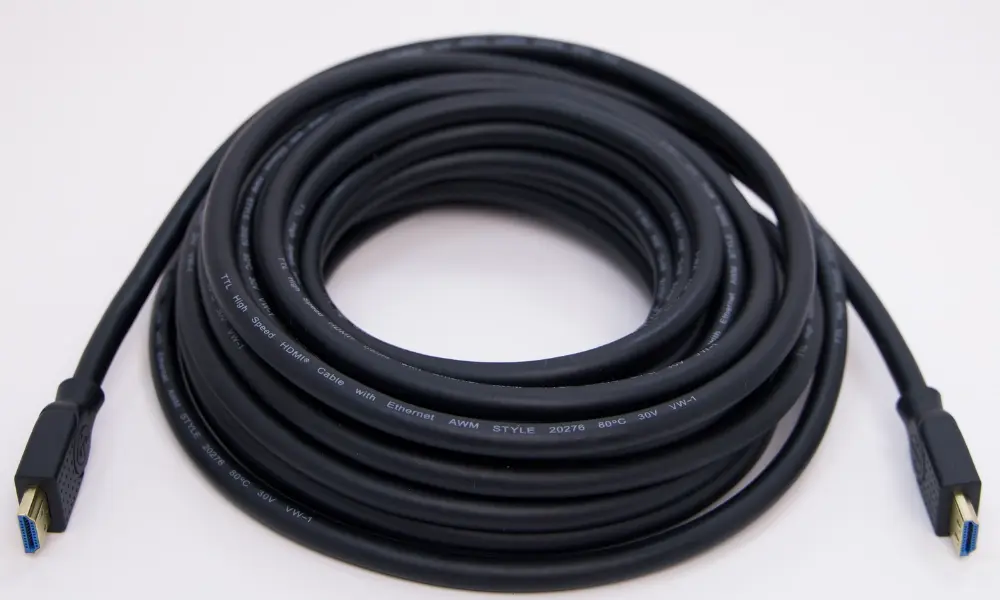
Technical specifications of HELUKABEL HDMI cables
Some key technical features of HELUKABEL’s HDMI cables include:
- HDMI standard: 2.0
- Data transmission: Up to 18 Gbps
- Image transmission:
- From 0.5 to 7.5 meters: 4K @ 60 Hz
- From 10 to 20 meters: 4K @ 30 Hz
- Ratio: 21:9
- Audio: 32 channels, 1536 kHz
- Available cable lengths: 0.5 m, 1.0 m, 2.0 m, 3.0 m, 5.0 m, 7.5 m, 10 m, 15 m, 20 m
5.2 HELUKABEL's solutions for event and media technology
In addition to HDMI cables, HELUKABEL also offers a range of high-quality audio cables designed for professional audio signal transmission in applications such as broadcasting, live events, stage setups, recording studios, and public address systems.
| Cables | Applications | |
| Speaker cables | Cables for professional sound systems |
HELUSOUND 450 EXTREME FLEX-PVC; HELUSOUND 600 Halogen free-FRNC; HELUSOUND 500-PUR |
| Microphone cables | Cables for microphones |
HELUSOUND® Microphone 4 cores; HELUSOUND® Microphone S FRNC; HELUSOUND® Microphone SC |
| DMX cables | Cables for lighting systems |
AES/EBU & DMX patch cable; AES/EBU & DMX cables; DMX-POWER |
| Instrument cables | Cables for musical instruments | HELUSOUND® Instrument |
| AES/EBU audio cables | Cables for mixers/sound engineers | HELUSOUND® AES/EBU audio cable; |
| Load cables / Titanex | Cables for power supply and lighting | HELUKABEL® LASTKABLE; H07RN-F TITANEX® |
| Video cables | Cables for image transmission, video surveillance | 0.6/2.8 (mini) PVC, green; 0.8/3.7 (series RG 59) PVC, green; Video + Power System Cables (dual construction) |