7+ common servo motor issues: Causes and solutions
Servo motors are highly accurate but can still experience various malfunctions during operation. Understanding the 7+ common issues below will help you quickly identify the cause and maintain system performance.
What is a servo motor? A servo motor is a specialized motor designed to provide precise control of rotary or linear motion. It operates using a feedback mechanism that ensures accurate positioning, typically relying on control signals to move to a desired position.
1. The servo motor is not rotating
Causes
When a servo motor fails to respond to control commands, the cause is often related to the power supply or system connections. A power outage, poor contact, or a broken cable between the driver and the motor can prevent the motor from receiving power or control signals. Additionally, driver malfunctions or internal motor damage can cause the system to completely stop working.
Solutions
If you encounter this servo motor issue, begin by checking and troubleshooting the power supply, ensuring that electrical connectors are properly connected and receiving a stable power supply. Next, inspect the power cable and servo cable for any breaks or loose connections, and reconnect or replace them if necessary. If the wiring system is functioning normally, proceed to inspect the driver and motor to identify the parts that need repair or replacement.
2. The servo motor is rotating too slowly
Causes
Servo motors may fail to achieve the desired speed if the driver limits the current too low. Another common cause is that the actual load exceeds the motor's design capacity. Additionally, a malfunctioning encoder can cause the system to provide incorrect speed feedback, affecting the servo motor's controllability.
Solutions
Check the driver settings, especially current limits and speed control parameters, to make adjustments to ensure they meet the motor's needs. Simultaneously, find ways to reduce the motor load and ensure it operates within its rated load range. If abnormal signals are detected, check the encoder and replace it if necessary.
3. The servo motor is overheating
Causes
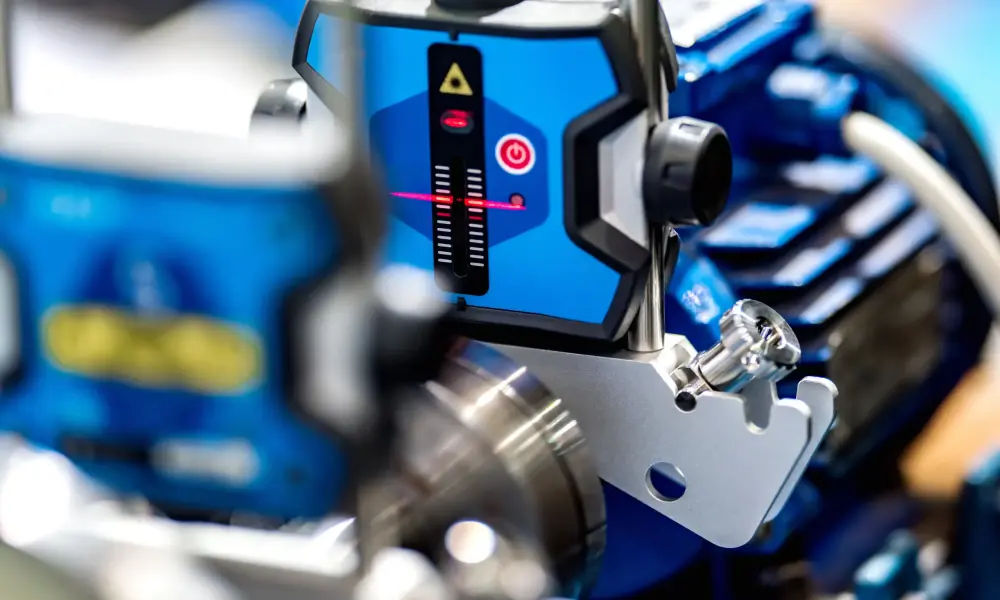
Overheating commonly occurs when servo motors operate continuously under heavy load or in environments with poor heat dissipation. Additionally, cooling system malfunctions or inadequate ventilation can also cause heat to build up in the motor and driver.
Solutions
What you need to do is reduce the operating load if the servo motor frequently operates near or above its rated power. At the same time, you should check the cooling system and improve heat dissipation conditions, such as adding fans or optimizing the ventilation design. This will also contribute to extending the lifespan of both the motor and the driver.
4. The servo system is displaying an alarm
Causes
Driver warnings are often an indication that the system is detecting an abnormality during operation. This could be due to driver errors, motor issues, or unstable control signals.
Solutions
Reading and analyzing the error codes displayed on the driver is the crucial first step an operator needs to take. Next, each related component, such as the driver, motor, or servo cable, should be inspected to determine the exact cause before any repairs or replacements can be made.
5. The servo motor is not positioning accurately
Causes
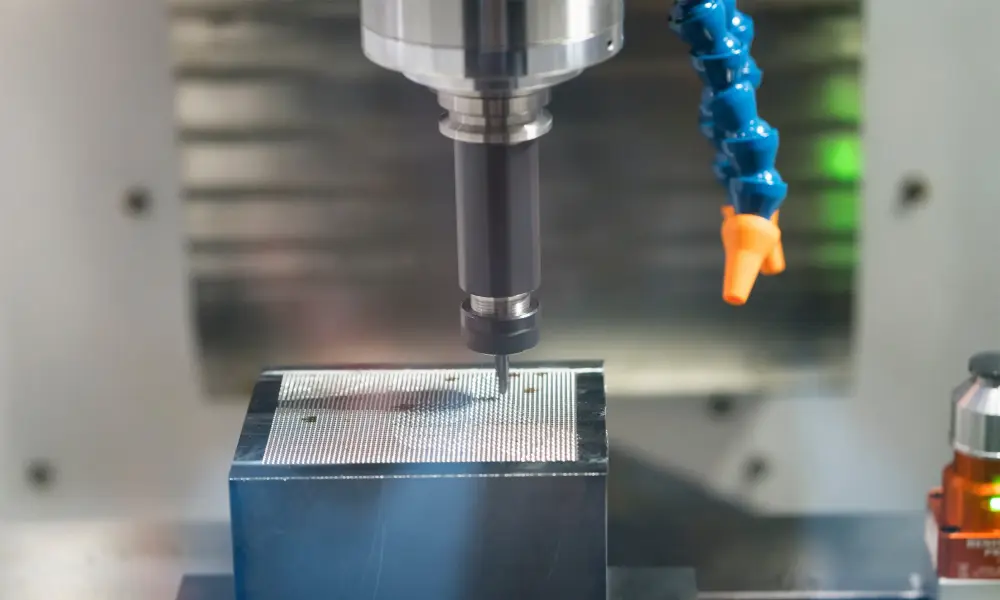
Reduced positioning accuracy is often related to errors from the encoder or improperly calibrated control parameters. In addition, mechanical structure problems can also cause positional inaccuracies in the positioning system.
Solutions
Check the signal from the encoder to ensure that position data is being transmitted accurately to the driver. Simultaneously, review and fine-tune the position, speed, and acceleration control parameters. If mechanical system problems occur – such as a loose or worn drive chain – maintenance or replacement of the relevant components is necessary.
6. The servo motor is vibrating excessively
Causes
Excessive vibration is a sign that the mechanical or control system is experiencing problems. An insecurely mounted motor, a faulty encoder, or suboptimal control parameters can all create oscillations during operation.
Solutions
Check the servo motor's position and reinstall it if necessary to ensure it is securely and evenly mounted on the machine base. Then, inspect and replace the encoder to ensure proper operation. If the problem stems from the driver, adjust parameters such as gain, filter, and related settings to reduce vibration.
7. The servo motor is moving erratically
Causes
Uneven movement often stems from unstable signals or faults in the drive system. A cracked encoder, noisy speed signals, excessive chain play, or excessive servo motor amplification can all cause the motor to accelerate and decelerate abnormally during operation.
Solutions
Inspect the encoder and replace it immediately if any damage is detected. Simultaneously, check the signal wiring system – typically the servo cables – to ensure stable and interference-free connections. Additionally, assess the play in the drive chain and optimize the control parameters on the driver. If the play or amplification is unsuitable, readjust it to improve the smoothness of the movement.
8. Other servo motor issues
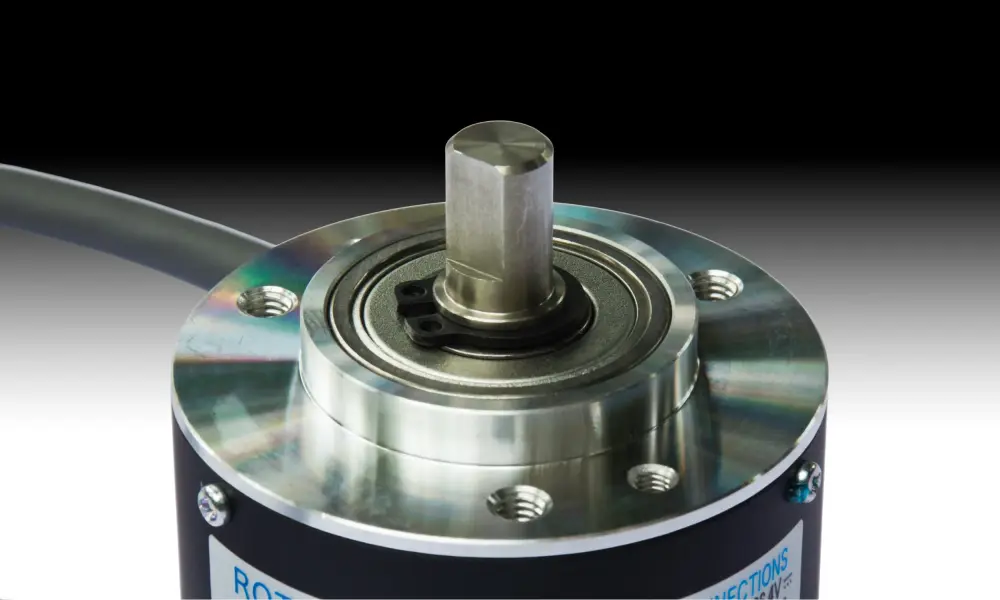
In addition to the typical issues mentioned above, operators may encounter other problems when using servo motors, such as:
Encoder phase issue: The encoder phase needs to be recalibrated, and the encoder must be installed correctly.
Motor commutator issue: The commutator surface needs to be inspected to ensure flatness. If the surface is worn or uneven, it needs to be remachined or replaced.
Motor brush issue: Check the contact between the carbon brushes and the commutator. If sparking occurs or the carbon brushes are worn, replace them with new ones.
In summary, servo motors can experience various problems during operation, ranging from electrical and control issues to mechanical failures. Inspection and troubleshooting should be based on each specific situation to correctly identify the cause and apply appropriate corrective measures. Furthermore, regular maintenance plays a crucial role in maintaining operational efficiency and extending the lifespan of the equipment.
Servo cables and key information you should know
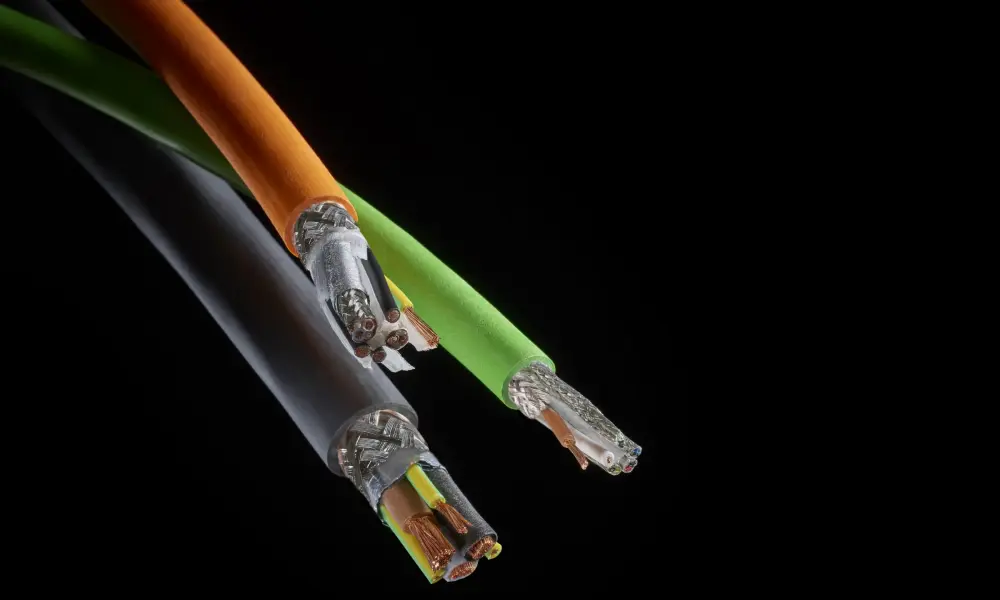
Servo cables are a crucial component in servo motors, ensuring smooth system operation with stable signal transmission. Let's explore some basic information about this type of cable below:
Functions of servo cables
Servo cables are industrial cables that enable reliable communication and power transmission between servo motors, drives, and control units. Key functions of servo cables include:
- Delivering power to servo motors under high-voltage and high-current operating conditions
- Carrying control, feedback, and encoder signals with high transmission accuracy
- Maintaining performance under continuous flexing, torsion, and repetitive motion
- Reducing electromagnetic interference (EMI) through effective shielding technologies
Thanks to these capabilities, servo cables are widely deployed in automation-intensive industries, including robotics, CNC machining, packaging equipment, textile manufacturing, automotive production, and renewable energy applications.
Technical specifications of servo cables
Rated voltage: Typically 600V to 1000V, depending on depending on the motor's power requirements.
Shielding layer: Braiding, metal foil, or a combination of both to minimize electromagnetic interference (EMI) and radio frequency interference (RFI).
Flexibility: Designed for chain drive and continuous motion applications.
Insulation materials: PVC (general purpose), PUR (oil- and chemical-resistant), TPE (high flexibility)
Compliance standards: UL, CSA, CE, RoHS certified
💡Explore how screened cables can reduce harmful bearing currents
Common types of servo cables
Power servo cables
Power servo cables are used to deliver electrical power from the servo drive to the motor. Designed to handle high voltages and currents, they also offer resistance to oil, heat, and various industrial chemicals. In addition, EMC shielding helps reduce electromagnetic interference and ensures reliable operation. These cables are widely used in robotic conveyor systems, CNC machines, and other industrial equipment.
Feedback servo cables
Feedback servo cables carry essential data from the motor back to the servo drive, including information related to position, speed, and torque. They are designed to transmit low-level analog and digital signals with high accuracy. To maintain signal quality, these cables typically incorporate double shielding and twisted-pair conductors that help minimize electromagnetic interference. They are commonly found in closed-loop motion control systems where precision and stability are critical.
Encoder servo cables
Encoder servo cables connect the encoder to the servo drive and transmit digital pulse signals or absolute position data. Built for high-frequency signal transmission, they utilize shielded twisted-pair conductors to reduce crosstalk and preserve signal integrity. Their flexible construction allows them to withstand continuous bending in dynamic applications, making them suitable for robotics, CNC machine tools, and other systems that require accurate motor positioning.
Additionally, depending on the application, servo cables are further divided into fixed cables (used for stationary machines) and chain-driven cables (bending-resistant cables) for CNC machines and robotic arms that require continuous movement.
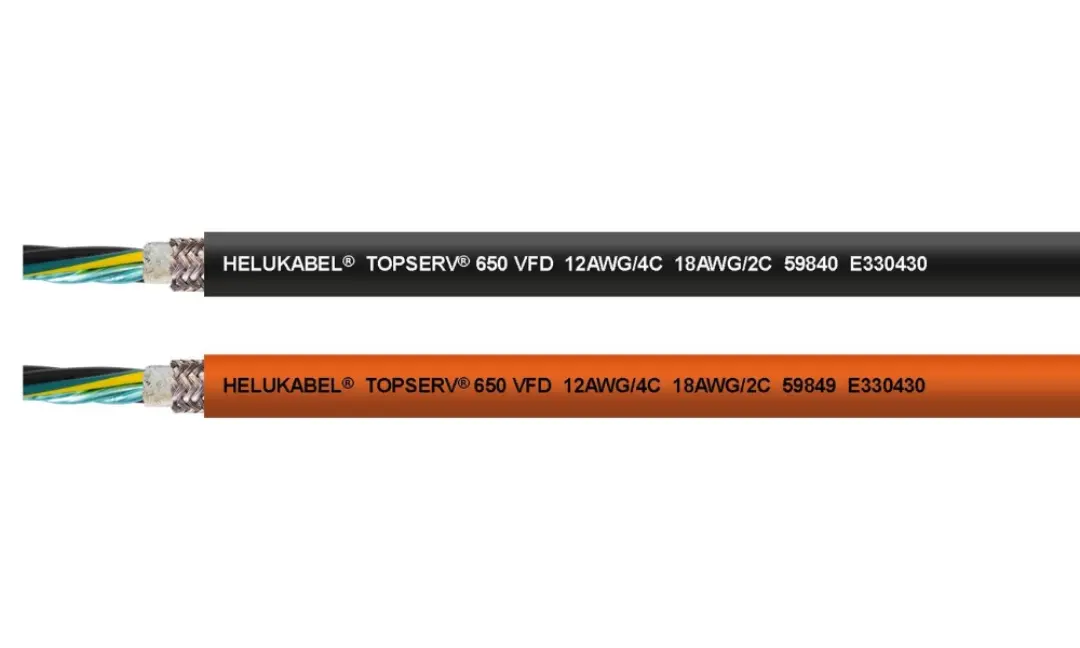
Learn about servo cables from HELU
To meet the diverse requirements in the field of industrial automation, we HELU offer the TOPSERV® servo cable range with a variety of options suitable for servo motor applications from standard to continuous motion, notably including the following products:
| Product Name | Minimum bending radius | Note | |
| Flexible installation | Fixed installation | ||
| TOPSERV® 109 PUR | 7.5x outer diameter | 4x outer diameter | Suitable for use in drag chains |
| TOPSERV® 112 PVC - Lenze | 15x outer diameter | 5x outer diameter | Min. 100.000 cycles |
| TOPSERV® 112 PVC - Siemens 6FX8008PLUS | 15x outer diameter | 5x outer diameter | Min. 100.000 cycles |
| TOPSERV® 110 | 7.5x outer diameter | 4x outer diameter | |
| TOPSERV® 120 | 7.5x outer diameter | 4x outer diameter | |
| TOPSERV® 113 PUR | 7.5x outer diameter | 4x outer diameter | Suitable for use in drag chains |
| TOPSERV® Hybrid PUR | 7.5x outer diameter | 4x outer diameter | Min. 5 mio. cycles |
| TOPSERV® Hybrid PVC | 7.5x outer diameter | 4x cable Ø | Min. 5 mio. cycles |
| TOPSERV® 108 PVC - Siemens 6FX8008PLUS | 15x outer diameter | 5x outer diameter | Min. 100.000 cycles |
| TOPSERV® 119 PVC - Bosch Rexroth | 15x outer diameter | 5x outer diameter | Min. 100.000 cycles |
| TOPSERV® 600 VFD | 10x outer diameter | 5x outer diameter | |
| TOPSERV® 650 VFD | 10x outer diameter | 5x outer diameter | |
SEE MORE IN THE BROCHURE
Contact us at HELU Vietnam for advice on selecting the right servo cable to meet your system’s technical requirements and operating conditions!