Temperature-resistant cables: Common temperature ratings in practical applications
Temperature-resistant cables are designed to operate reliably in high-temperature environments. In this article, we will explore the standard temperature classes, common insulation materials, and how to choose the right cable for different applications.
What is the temperature class of an electrical cable?
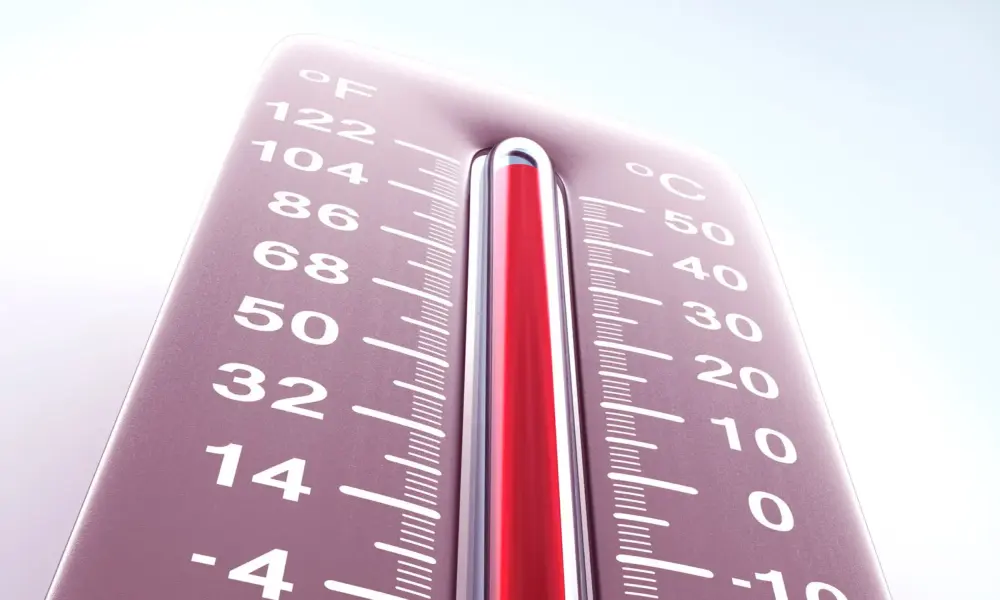
The temperature class of an electrical cable indicates the maximum temperature that its insulation material can withstand during continuous operation while maintaining its insulating properties and mechanical performance. Since each insulation material has a different temperature limit, they are classified into different temperature classes to suit various operating conditions and application environments.
If a cable is continuously exposed to temperatures beyond its rated limit, the insulation material will age more rapidly, becoming hard, brittle, cracked, or losing its insulating properties over time. This not only shortens the cable's service life but also reduces its current-carrying capacity, increasing the risk of overheating during operation.
On the other hand, selecting a cable with an appropriate temperature class helps ensure stable system performance, minimizes the risks of short circuits and fire hazards, and reduces downtime caused by cable failures, especially in industrial environments with elevated temperatures or continuous operating conditions.
💡Discover the properties and applications of temperature-resistant cables
Standard temperature classes of insulation materials
To meet the requirements of different operating environments, insulation materials are classified into various standard temperature classes. Each class is defined by its maximum continuous operating temperature and is associated with specific material characteristics and application areas across electrical and industrial systems.
| Temperature class | Maximum continuous operating temperature | Typical insulation materials | Typical applications |
| Class Y | 90°C | Wood board, cotton, cardboard, textiles... | Electrical equipment operating at low temperatures, light bulbs, switches, and other basic electrical applications |
| Class A | 105°C | Cotton and insulating materials for enameled wires | Residential electrical equipment, small electric motors, and applications requiring moderate heat resistance |
| Class E | 120°C | Synthetic resins and high-strength insulating materials for enameled wires | Electric motors, transformers, generators, inductors, and equipment requiring higher heat resistance |
| Class B | 130°C | Mica sheet products, glass wires | Industrial electric motors, windings, transformers, and equipment operating continuously at elevated temperatures |
| Class F | 155°C | Glass fiber, enameled cloth, organic silicone materials... | Industrial furnaces, transformers, inductors, temperature-resistant cables, and equipment operating in high-temperature environments |
| Class H | 180°C | EM materials and quartz | Electric motors, generators, heat-resistant industrial equipment, and applications exposed to vibration or high-frequency operation |
| Class C | >180°C | Pure mica, ceramic, and quartz | Equipment operating in extremely high-temperature environments, such as industrial furnaces, metallurgical plants, steel mills, and other specialized industrial applications |
Class Y (90°C)
Class Y is the basic temperature class with a maximum continuous operating temperature of 90°C. The insulation materials in this class are typically made from organic materials such as laminated wood, cotton, cardboard, and woven fabrics.
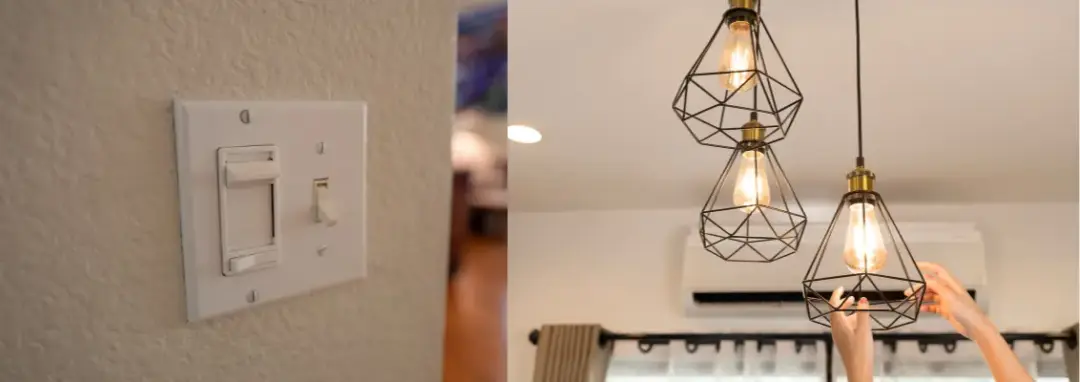
Due to their relatively low heat resistance, Class Y insulation materials are mainly used in electrical equipment operating under normal temperature conditions, including light bulbs, switches, and residential electrical devices with basic insulation requirements.
Class A (105°C)
Class A has a maximum continuous operating temperature of 105°C, offering better heat resistance than Class Y through the use of materials impregnated with insulating varnishes or insulating oils, such as cotton. This temperature class is also commonly used for certain types of enameled wires.
With its improved thermal performance, Class A is suitable for small electric motors, residential electrical equipment, and applications operating at relatively low temperatures.
Class E (120°C)
Class E is designed for a maximum continuous operating temperature of 120°C. Its insulation materials typically consist of synthetic resins or specialized high-strength insulation materials for enameled wires.
Thanks to its enhanced heat resistance, Class E is widely used in electric motors, transformers, generators, inductors, and electrical equipment that operates at higher temperatures than conventional applications.
Class B (130°C)
Class B has a maximum continuous operating temperature of 130°C. Typical insulation materials include mica, glass fiber, and inorganic materials combined with heat-resistant binders.
This temperature class is widely used in motor windings, transformers, and industrial equipment that requires stable operation in relatively high-temperature environments.
Class F (155°C)
Class F supports a maximum continuous operating temperature of 155°C. Common insulation materials include glass fiber, varnished glass cloth, organic silicone, and heat-resistant epoxy compounds.
With excellent insulating performance and thermal durability, Class F is commonly used in industrial furnaces, transformers, inductors, temperature-resistant cables, and equipment operating in high-temperature environments.
Class H (180°C)
Class H has a maximum continuous operating temperature of 180°C. This temperature class utilizes highly heat-resistant insulation materials, primarily inorganic materials or specialized materials such as EM, quartz, and other heat-resistant compounds.
Class H is commonly selected for electric motors, generators, and industrial equipment operating under high temperatures or in environments subject to vibration and heavy thermal loads.
Class C (>180°C)
Class C is the highest temperature class in the traditional insulation classification system, with a maximum continuous operating temperature typically exceeding 180°C. The insulation materials used in this class are primarily inorganic, including pure mica, ceramic, quartz, and other specialized heat-resistant materials, with little or no organic content.
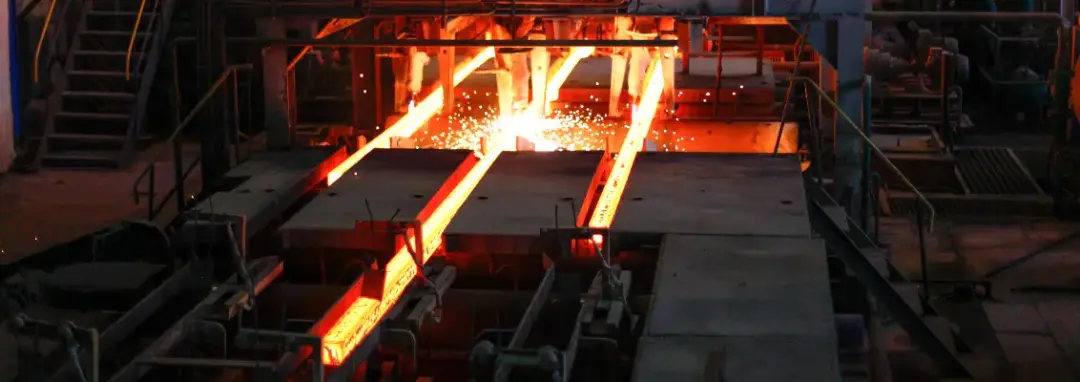
Its exceptional heat resistance makes Class C suitable for extremely demanding environments, including industrial furnaces, metallurgical plants, steel manufacturing, glass production, and other applications requiring reliable electrical insulation under very high operating temperatures.
Comparison of the heat resistance of common insulation materials
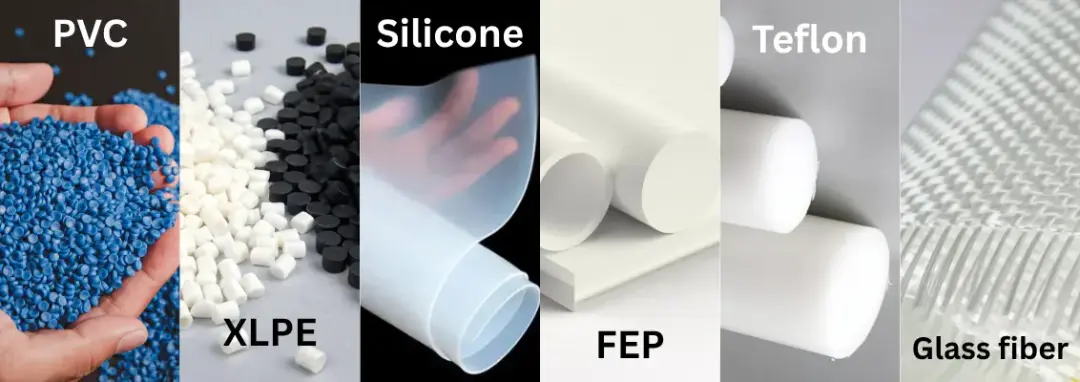
The insulation materials used in temperature-resistant cables offer different levels of heat resistance and performance characteristics to meet various application requirements. The table below compares some of the most commonly used insulation materials in terms of their operating temperature range and investment cost.
| Insulation material | Minimum operating temperature | Maximum continuous operating temperature | Investment cost |
| PVC | -20°C | +75 to +105°C | Low |
| XLPE | -40°C | +125°C | Medium |
| Silicone | -60°C | +200°C | High |
| FEP | -65°C | +200°C | High |
| PTFE (Teflon) | -65°C | +260°C | Very high |
| Glass fiber | -60°C | +400 t +500°C | Very high |
Common temperature ratings of electrical cables and their applications
Common temperature ranges for electrical cables.
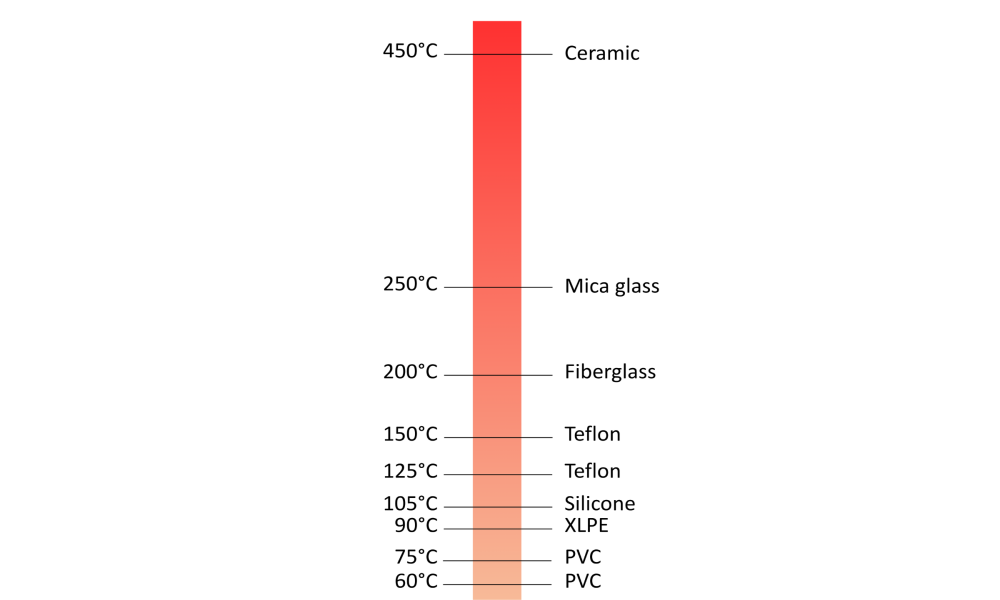
The continuous operating temperature of cable insulation typically includes 60°C, 75°C, 90°C, 105°C, 125°C, 150°C, 200°C, 250°C, and 450°C, depending on the insulation material and the intended application.
60°C – standard cables
Electrical cables rated at 60°C typically use PVC insulation and are suitable for residential electrical systems or light-duty applications operating under normal conditions. They are commonly used for basic wiring installations, although their heat resistance and durability are lower than those of cables with higher temperature ratings.
75°C – standard cables
With a continuous operating temperature of 75°C, these cables also use PVC insulation but offer improved heat resistance and durability. They are widely used in standard electrical circuits for residential and commercial buildings, providing reliable performance under normal operating conditions.
90°C – medium temperature-resistant cables
Electrical cables rated at 90°C typically use XLPE (Cross-Linked Polyethylene) insulation, offering better heat resistance and current-carrying capacity than PVC-insulated cables. This is one of the most common temperature ratings for industrial electrical systems, machinery, and commercial buildings where continuous and reliable operation is required.
105°C – medium temperature-resistant cables
Cables rated at 105°C commonly use silicone insulation, which provides excellent heat resistance and flexibility. These cables are suitable for high-temperature applications such as heating equipment, drying ovens, electric motors, and industrial systems that require enhanced resistance to thermal aging.
125°C – high temperature-resistant cables
Electrical cables rated at 125°C typically use PTFE (Teflon) insulation. Thanks to its superior heat resistance and chemical resistance, this type of cable is commonly used in demanding environments, including aerospace, electronics, and specialized manufacturing equipment.
150°C – specialized temperature-resistant cables
With a continuous operating temperature of 150°C, PTFE-insulated cables provide excellent stability in high-temperature environments where long-term reliability is essential. They are commonly used in specialized industrial systems operating under demanding conditions.
200°C – specialized temperature-resistant cables
Electrical cables rated at 200°C often use glass fiber insulation, providing excellent heat resistance while maintaining stable performance in high-temperature environments. They are well suited for industrial furnaces, metallurgical applications, and other areas exposed to continuous heat.
250°C – specialized temperature-resistant cables
Cables rated at 250°C commonly feature mica-glass insulation, offering exceptional heat resistance together with excellent fire-resistant properties. These cables are designed for applications requiring a high level of safety in environments exposed to extreme temperatures or fire hazards.
450°C – specialized temperature-resistant cables
Electrical cables rated at 450°C use ceramic insulation, providing exceptional thermal resistance for extremely demanding operating conditions. They are commonly used in industrial furnaces, steel mills, cement plants, and other high-temperature industrial applications where conventional insulation materials cannot meet the required performance.
In addition, for highly specialized applications, some temperature-resistant cables are designed to operate continuously at 550°C, 600°C, or even higher by utilizing inorganic insulation materials such as mica, glass fiber, or mineral insulation. These cables are commonly used in industrial furnaces, metallurgical plants, power generation facilities, and other environments exposed to extremely high temperatures.
*The temperature levels above represent typical continuous operating temperatures for the insulation class; these may vary depending on the material, standards (IEC, UL, NEC, etc.), and the specific manufacturer.
Key considerations when choosing temperature-resistant cables
Selecting temperature-resistant cables should not be based solely on the cable's temperature rating. To ensure safe, reliable operation and optimize long-term costs, it is important to consider multiple factors related to the actual operating conditions and technical requirements of the application, including:
- Do not select a cable based only on the ambient temperature, as the heat generated by the electrical current also increases the conductor temperature and affects overall performance.
- Determine the required load current and the cable's current-carrying capacity (ampacity) to prevent overheating, ensuring stable operation and extending the service life of the insulation material.
- If the cable is installed in environments exposed to oil, chemicals, moisture, UV radiation, or frequent mechanical stress, choose a cable with insulation and jacketing materials specifically designed to withstand these conditions.
- Select products that comply with recognized technical standards such as IEC, UL, or VDE to ensure product quality, operational safety, and suitability for the intended industrial application.
- In addition to the initial investment cost, consider the desired service life of the electrical system when selecting the appropriate temperature class. Choosing the right cable can reduce maintenance costs and minimize future system downtime.
HELU’s featured temperature-resistant cables
At HELU, we offer a wide range of heat-resistant cables designed for different operating conditions, from standard industrial environments to applications requiring exceptional heat resistance and long-term reliability. Below are some of our featured products:
| Product name | Operating temperature |
| HELUTHERM® 120 | -30°C to +105°C |
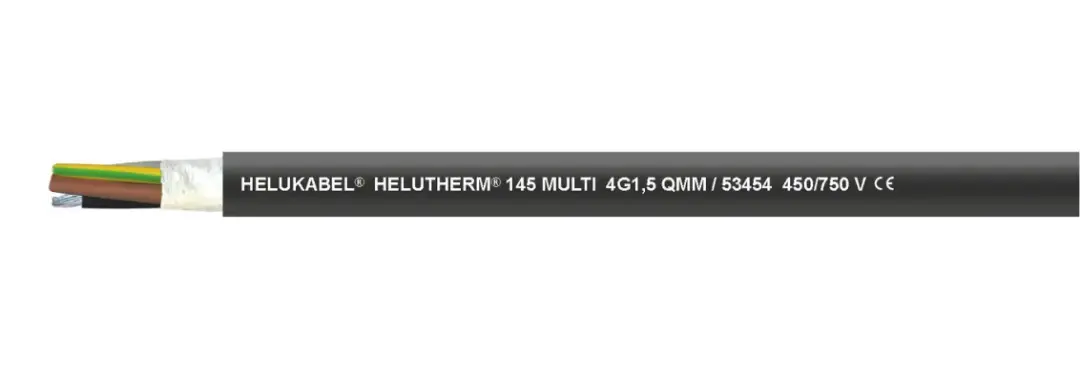
| HELUTHERM® 145 MULTI | -55°C to +145°C |
| HELUTHERM® 145 UL/CSA 600V | -55°C to +145°C |
| HELUPOWER® THERMFLEX® 145-Single | -55°C to +145°C |
| SiHF | -60°C to +180°C |
| SiHF-C-Si | -60°C to +180°C |
| SiHF/GL-P | -60°C to +180°C |
| THERMFLEX® 180 EWKF | -60°C to +180°C |
| HELUFLON®-FEP-6Y MULTI | -100°C to 205°C |
| HELUFLON®-PTFE-5Y | -190°C to 260°C |
| HELUTHERM® 400-MULTI | -60°C to 400°C |
| HELUTHERM® 600-ES | -60°C to +600°C (up to +700°C for short periods) |
Choosing the right temperature-resistant cable depends not only on its operating temperature but also on the installation environment, electrical load, and the technical requirements of each application. If you are looking for the right solution, contact HELU Vietnam. Our engineering team is ready to provide expert advice and recommend the most suitable cable for your system.