Understanding the corkscrewing phenomenon in drag chain cables
Highly dynamic drag chain applications present a major challenge for electrical cables, especially due to the high mechanical loads caused by constant movement. An often overlooked, yet common, type of damage is torsional damage, or "corkscrewing". But how does this phenomenon occur, what are the risks associated with it, and, above all else, how can it be avoided?

1. What is corkscrewing?
The term corkscrew describes a helical deformation of the cable across its longitudinal axis that occurs gradually across many bending cycles. It is caused by:
- Faults in the design of the cable
- The use of inappropriate cables
- The incorrect implementation of the complete system.
1.1 The role of the core structure (Stranding)
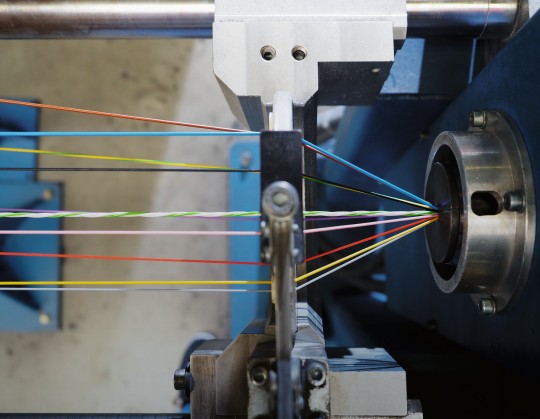
The stranding structure of the cores plays a major role. If the lay length, or the length of the rotation of the cores, is too long or suboptimally tuned to the cable's design, internal tension occurs which, with repeated movement, discharges as a spiral-shaped deformation.
1.2 Effect of the bending radius
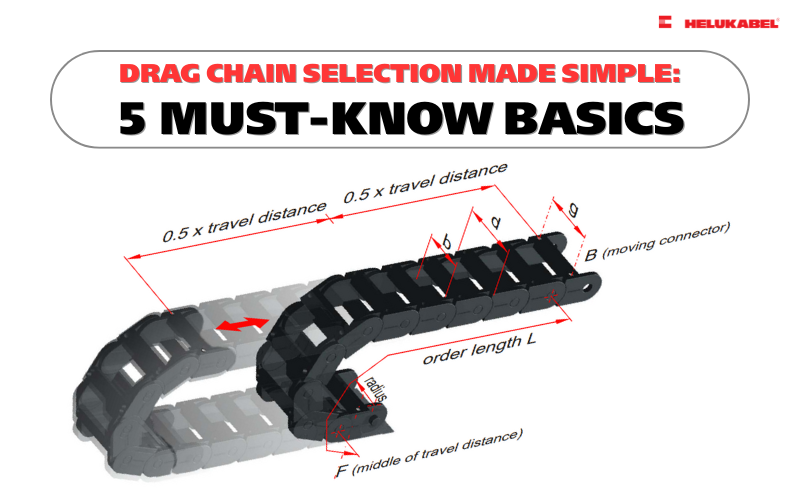
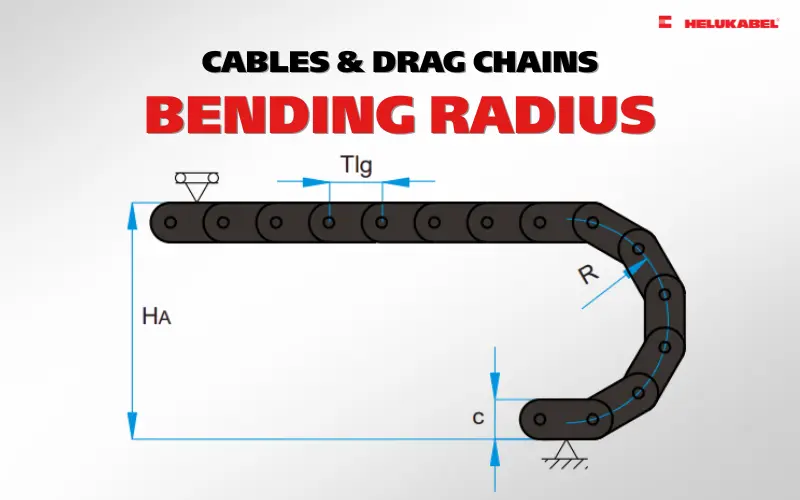
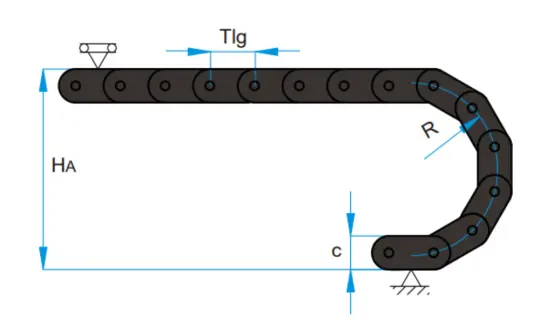
Equally problematic is when the minimum bending radius is exceeded. If this is ignored when constructing the drag chain, substantial loads develop that can damage the cable over time. All of these issues become even more critical the longer the travel distance is.
1.3 Errors during installation
Another cause of corkscrewing is erroneous handling during installation. Cables that become twisted when being unrolled, or are placed under tension when being installed, accumulate energy that is later released during operation. To combat this, it is advisable to utilise an unwinder, for instance, which prevents twists in the cable from developing.
2. The consequences of the corkscrewing phenomenon
The consequences of a corkscrew are serious. In addition to the visible, exterior deformation, core breakages also often occur which can lead to errors in the transmission of energy and data. If a wire breaks, it can pierce through the sheathing of other cores causing short-circuits, or, in the worst case, it can lead to fires. Furthermore, a deformed cable reduces mobility within the drag chain and can cause mechanical obstructions to the chain or other cables.
3. How to avoid corkscrewing?
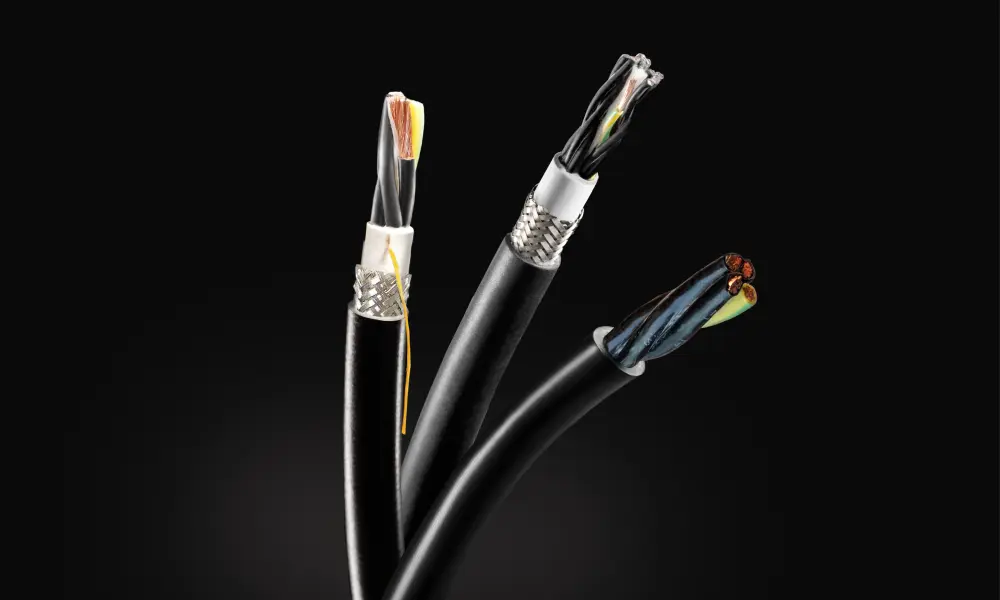
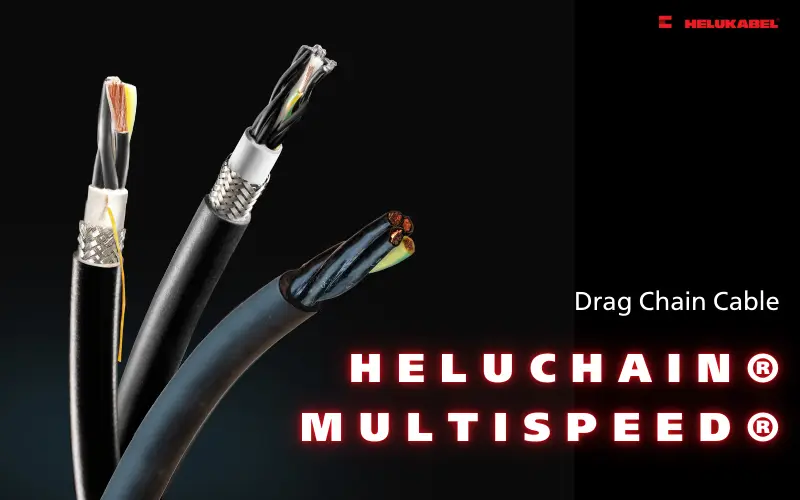
The HELUCHAIN product line is specifically designed for use in cable chains
To minimize this risk, two key factors should be taken into account:
3.1 Choosing the right cables
To minimise this risk, it is essential to select the correct cables. The new HELU brand HELUCHAIN offers cables that are specially designed for use in drag chain:
- They are constructed using materials and stranding techniques that are precisely tuned to the requirements of dynamic applications.
- In cores with short lay lengths, a gusset-filling, extruded sheath balances out the mechanical stresses.
- Cables with large numbers of cores are often stranded in bundles to provide an increased lifespan during complex, dynamic movements.
To ensure their reliability, HELUCHAIN cables are subjected to comprehensive testing under lifelike conditions and with millions of bending cycles.
3.2 Proper installation
In addition to choosing the correct cables, they must also be installed correctly. This means that the cables should be installed in separate channels in the drag chain. If this is not possible due to a lack of space, it is important to ensure that any cables that are touching are made using the same sheath material. This reduces the risk of disruptions. To ensure the long-term stability of the cable configuration within the drag chain, the use of tension relievers on both the fixed and moving ends of the chain is required.
If you still have questions, don’t hesitate to contact HELU Vietnam’s team of engineers for detailed answers.
HELU Vietnam Contact Information
| HELU Vietnam 905 Nguyen Kiem Street, Hanh Thong Ward, Ho Chi Minh City, 700000, Vietnam | Phone:
+84 28 77755578 Email: info@helukabel.com.vn | Connect with us on |
| Order through our online channels : Tiki | Shopee | Lazada | Product Finder | ||