What are earthing cables? Advantages and types of earthing cables
An earthing cable (also called a grounding cable or PE cable) is an electrical conductor that connects the metal enclosure of equipment or a structural frame to the earth electrode system, creating a low-resistance path for fault current to flow safely to ground. In the event of insulation failure or electrical fault, the earthing cable ensures that dangerous current is diverted away from operators and equipment — activating the protective circuit breaker and preventing electric shock, fire, or equipment damage. In modern electrical systems, earthing cables serve two distinct roles: PE (Protective Earth) cables are mandatory safety conductors; FE (Functional Earth) cables provide electromagnetic shielding for sensitive electronics, PLCs, frequency inverters, and industrial communication systems. This article covers earthing cable types, selection criteria, and HELU's full product range.
-
1What is earthing?
-
2Benefits of earthing
-
3Components of the earthing system
-
4Applications of earthing cables
-
5Classification of grounding/earthing cables
-
6Selecting the right earthing cable for your application
-
7HELU bare copper earthing cables
-
8HELU tinnned copper earthing cables
-
9HELU flat earthing cables
-
10HELU green-yellow grounding wire
-
11HELU earthing strap
-
12HELU cables with pink Functional Earth (FE) conductor
-
13Other earthing cables and HELU accessories
-
14Distinguishing between earthing and grounding
-
15Distinguishing between earthing and bonding
-
16Protective earthing and functional earthing
-
17FAQs
In electrical systems, safety is always the top priority. One of the fundamental solutions to ensure safety is earthing (grounding). A properly designed earthing system protects both people and equipment from hazardous electrical faults such as short circuits or lightning strikes.
Given its critical role, understanding what earthing is and the different types of earthing cables is essential in the design, installation, and operation of residential, industrial, and large-scale energy projects.
1. Overview of earthing techniques in electrical systems
Earthing is the process of conducting leakage current or fault current directly to the ground through a low-resistance conductor.
1.1 What is earthing?
Earthing is the process of directing leakage current or fault current safely into the ground through a low-resistance conductor. More comprehensively, earthing functions to protect individuals from electric shock hazards.
When you touch the metal casing of an electrical device with damaged insulation, electric current may pass through your body to complete the circuit. In this situation, your body unintentionally becomes a conductive path to earth. If you feel a tingling sensation or mild electric shock when touching an appliance, this indicates potential leakage current and the earthing system should be inspected by a qualified electrician.
In principle, an earthing system provides a safe path for fault current by creating an alternative branch that leads directly to the ground. The neutral conductor is responsible for returning current to the source to complete the circuit under normal operation, while the earthing conductor provides a dedicated safety path for leakage or fault currents, thereby protecting both people and electrical equipment.
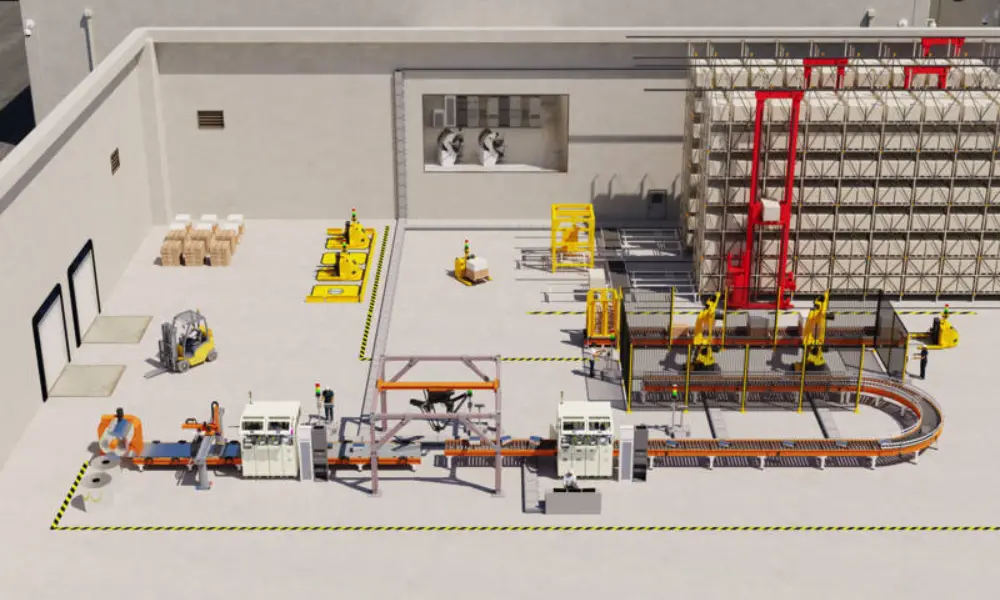
Grounding techniques help reduce electromagnetic interference for machinery systems installed and operated close together in the same confined space.
1.2 What are the benefits of earthing conductors?
- Enhanced safety: When an electrical system is properly earthed, leakage or fault currents are conducted safely into the ground. Without earthing, in the event of a short circuit or insulation failure, the outer casing of equipment may become energized and pose a serious electric shock risk.
- Improved performance and lifespan: Earthing helps stabilize voltage within the electrical system. By maintaining stable voltage levels, the risk of voltage surges or overvoltage that may damage sensitive equipment is significantly reduced. This is particularly important for sensitive devices such as computers, medical equipment, and telecommunications systems.
- Lightning protection: Lightning strikes can cause severe damage to buildings and electrical systems. A properly designed earthing system provides a low-resistance path that allows lightning current to dissipate safely into the ground.
- Reduction of EMI: Earthing plays an important role in electromagnetic interference control. As more machines and systems are installed within limited spaces, electromagnetic fields generated by different equipment can interfere with each other. Proper grounding helps minimize these disturbances and maintain system stability.
- Compliance with legal and technical Standards: Earthing is not only a safety measure but also a mandatory requirement under electrical regulations in many countries. Electrical systems must comply with established technical and safety standards, in which earthing is a critical component.
1.3 Technical requirements for an earthing system
A technically compliant earthing system must meet the following requirements:
- Low ground resistance: The system must have sufficiently low resistance so that fault currents can escape to ground quickly and safely.
- Low earthing resistance: The system must have sufficiently low resistance to allow fault current to dissipate into the ground quickly and safely. Low resistance ensures effective current discharge and reduces potential hazards.
- Stable system potential relative to earth: The earthing arrangement must maintain a stable electrical potential with respect to ground and limit overall potential rise during fault conditions. This helps prevent or minimize equipment damage caused by short circuits or high fault currents.
- Protection against overvoltage: The system must reduce the risk of injury to personnel and damage to equipment due to overvoltage events, such as lightning strikes or disturbances in the power grid.
- Low-impedance fault current path: A low-impedance path must be provided for fault currents to ensure that protective devices, such as protection relays, surge arresters, and other safety mechanisms to operate rapidly, accurately, and in coordination during fault conditions.
2. Components of an earthing system
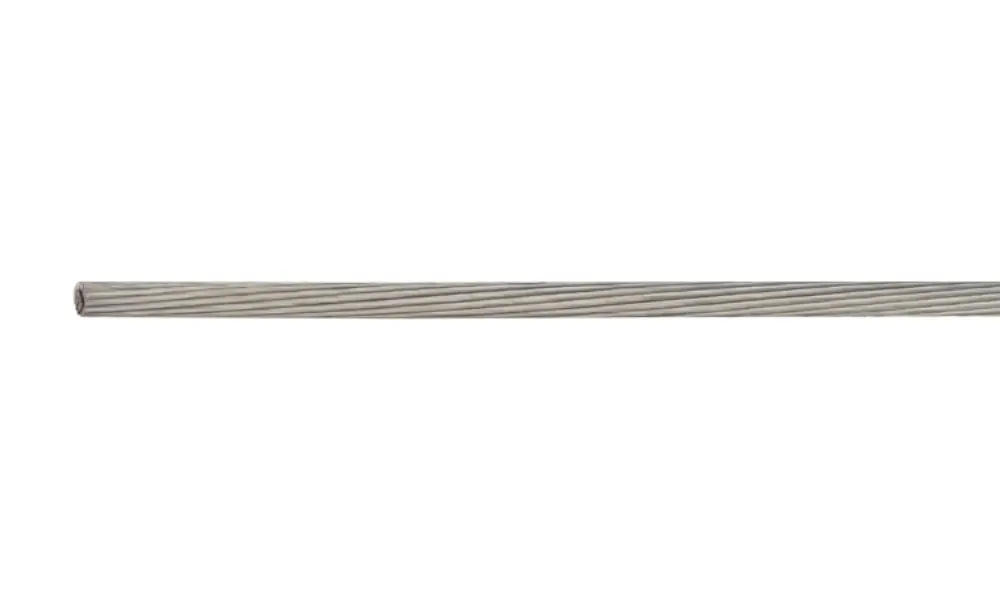
HELUPOWER® Grounding Cable CU-CONDUCTOR-CL5 Tinned
An earthing system consists of multiple interconnected components, each serving a specific function. The main elements include:
- Earthing electrodes: These provide a low-resistance path for leakage or fault current to dissipate into the ground.
- Earthing conductors: These connect exposed metallic parts of electrical equipment to the earthing electrode, preventing the buildup of dangerous voltages.
- Equipotential bonding: Ensures that all metallic parts remain at the same electrical potential, eliminating the risk of spark discharge or dangerous potential differences.
- Earth continuity conductor: Maintains electrical continuity throughout the earthing system, ensuring fault current is reliably transmitted to the grounding point.
- Earthing lead (Main earthing conductor): This is the primary conductor that carries fault current from the electrical system to the earthing electrode.
- Earthing plate: Typically buried deep in the soil, the earthing plate reduces overall grounding resistance and enhances fault current dissipation capability.
3. Application areas of earthing cables
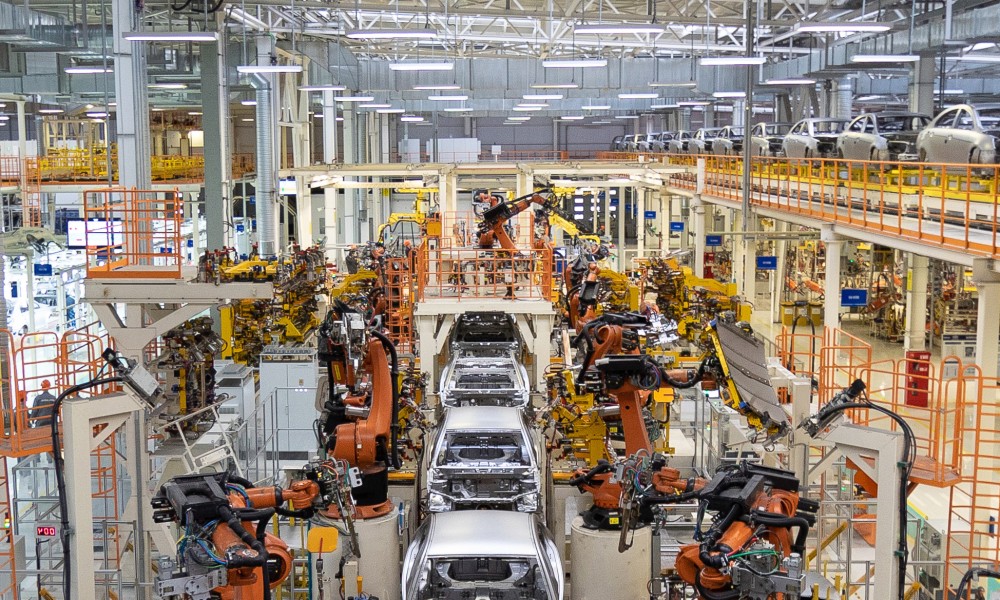
For high-tech industries such as electronics and semiconductors, earthing cables also help protect sensitive components from damage caused by ESD (Electrostatic Discharge).
Earthing cables are an essential component of any grounding system. They play a critical role in safely transmitting fault currents to the ground and maintaining a stable electrical potential across the entire electrical installation.
- Power plants and renewable energy systems: Earthing conductors provide a safe path for short-circuit currents, leakage currents, and lightning currents to flow into the grounding system. This helps protect generators, transformers, and distribution panels from severe damage and ensures operational reliability.
- Manufacturing plants and industrial zones: In industrial environments, earthing conductors equalize potential between equipment, reduce EMI, and minimize the risk of electrostatic discharge (ESD). In high-tech industries such as electronics and semiconductor manufacturing, proper grounding protects sensitive components from ESD-related damage, improves product quality, and reduces defect rates.
- Construction sites: Earthing conductors are commonly used in temporary grounding systems to ensure safety during the installation and commissioning of medium- and high-voltage electrical systems.
- Residential and commercial building electrical systems: They protect users from electric shock hazards in the event of insulation failure or leakage currents. Earthing conductors also operate in coordination with protective devices such as residual current devices (RCDs/ELCBs) to disconnect the circuit promptly, thereby reducing the risk of fire and equipment damage.
- Data centers and IT infrastructure: Proper grounding ensures stable server operation, reduces electromagnetic interference, and maintains data integrity. Modern systems may also integrate grounding resistance monitoring to optimize operational reliability and maintain compliance with technical standards.
4. Types of earthing/grounding cables
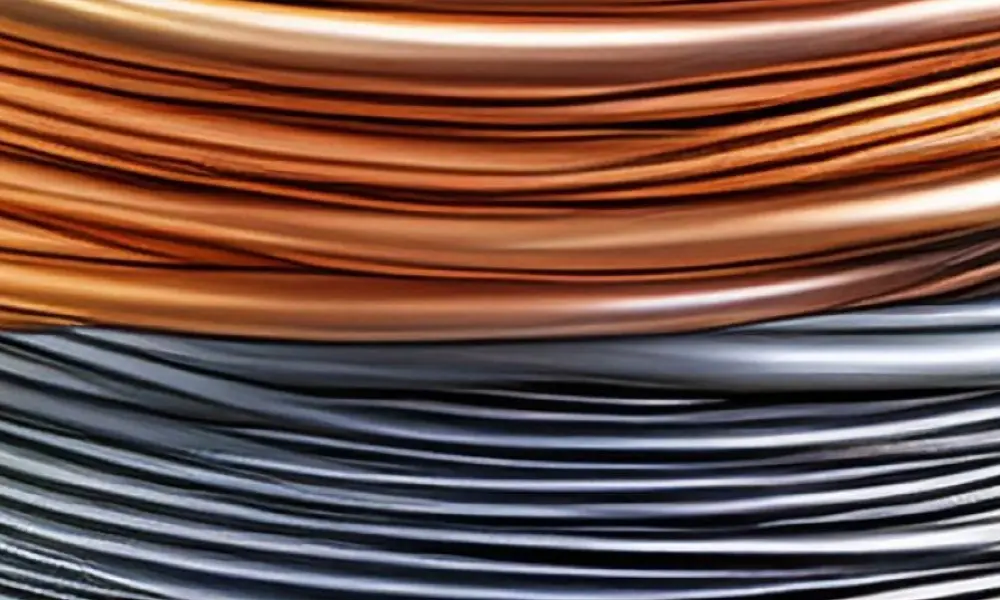
Copper earthing wires are the most common type, while aluminum wires are used in large-scale systems.
An earthing cable (grounding cable) is a conductive component used to connect an electrical system or equipment directly to the earth. Its primary purpose is to provide a controlled, low-resistance path for excess current, leakage current, or fault current to safely dissipate into the ground.
4.1 Copper earthing cables
Copper earthing cables are the most widely used type due to their superior electrical conductivity and durability. Copper has low resistivity, allowing the cable to carry high fault currents without excessive overheating. These cables are commonly used in industrial plants, substations, data centers, and high-safety electrical installations. Common types of copper grounding cables include:
- Bare copper: The most basic and widely used form in grounding systems. Without an external protective layer, it maximizes copper’s natural conductivity and is often installed directly in the ground or integrated into grounding grids.
- Tinned copper: Features a thin tin coating over the copper core. The tin layer enhances resistance to oxidation and corrosion, especially in humid or chemically aggressive environments.
- Coated copper): Typically insulated with PVC or XLPE. This design improves mechanical strength and protects the conductor from environmental impacts while maintaining high conductivity.
4.2 Aluminum earthing cables
Although aluminum has lower electrical conductivity than copper, it is significantly lighter and more cost-effective. For this reason, aluminum grounding cables are commonly used in large-scale systems where weight optimization and budget efficiency are important considerations.
4.3 Flexible earthing cables
Flexible grounding cables are constructed from multiple fine strands braided together, increasing flexibility and vibration resistance. They are ideal for applications involving movable equipment, mechanical vibration, or installations requiring frequent repositioning.
4.4 Flat earthing conductors
Flat earthing conductors have an expanded cross-sectional contact area, improving current dissipation efficiency and enhancing overall grounding performance. They are often used in grounding grids and high-current applications.
4.5 Green-yellow insulated earthing cables
Green-yellow insulated grounding cables are internationally standardized for earthing purposes. The distinctive color coding enables easy identification within electrical systems, reducing installation errors and simplifying maintenance while ensuring compliance with electrical safety standards.
These green-yellow grounding cables are widely used across industrial, commercial, and service sectors due to their installation flexibility and ability to meet strict electrical safety requirements.
5. HELU product portfolio and solutions for earthing / grounding applications
In modern industrial environments where equipment density continues to increase, controlling EMI and ensuring operational safety have become mandatory requirements. As a result, earthing and equipotential bonding solutions are not only essential for compliance with safety standards but also critical factors in maintaining performance, system stability, and overall production line reliability.
With extensive experience in industrial cables and electrical accessories, we HELU offer a comprehensive portfolio of products designed for earthing and equipotential bonding systems. These solutions are engineered with high flexibility and reliability, accommodating a wide range of installation configurations - from manufacturing plants and data centers to large-scale infrastructure projects.
Selecting the right earthing cable for your application
| Cable type | Standard | Key feature | Best suited for... |
| H07V-K (16–120 mm²) | IEC 60228 | Multi-strand flexible copper, yellow-green | Distribution boards, control panels, PE connections in buildings |
| H00S-D | VDE 0295 | Extra-flexible copper, excellent bend radius | Tight spaces inside switchgear enclosures |
| H00V3-D | VDE 0295 | Ultra-flexible copper conductor | Mobile equipment PE connections requiring flexibility |
| Flat earthing strap | — | Low-resistance flat cross-section | Equipment housing bonding, metal frames, server rack earthing |
| HELUPOWER® CU-CONDUCTOR | IEC/HD 60364 | Large cross-section, rigid or flexible | Power systems, substations, industrial earthing grids |
| Solar earthing cable | EN 50618 | UV-resistant, heat-rated to 90°C | Outdoor PV systems, inverter frames, module mounting structures |
Color code rule: Earthing cables must use yellow-green (yellow with green stripe) insulation per IEC 60446. This color is exclusively reserved for PE conductors — never use it for phase or neutral wires.
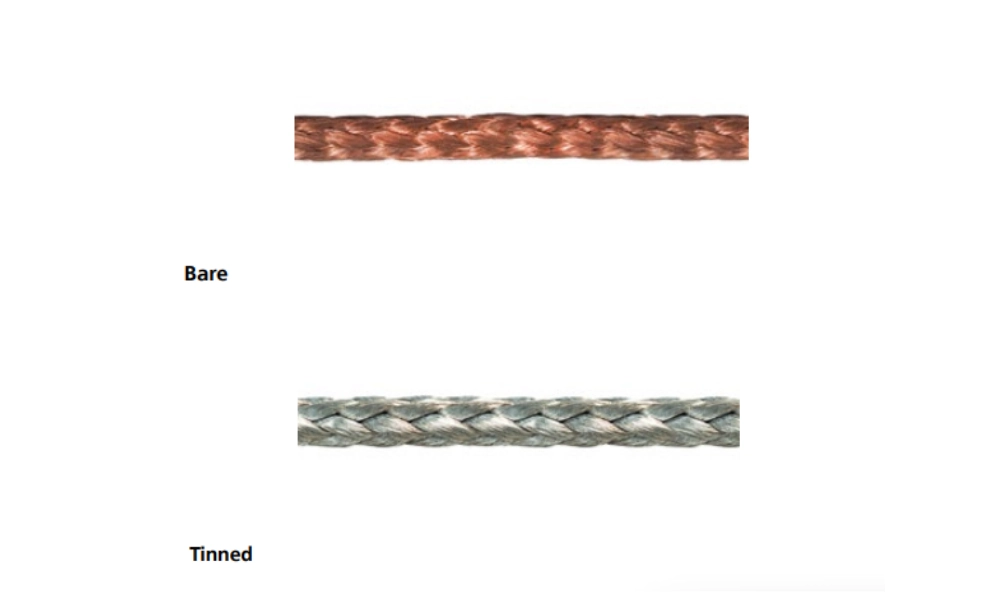
HELUPOWER® CU-CONDUCTOR ROUND BRAIDED BARE / TINNED earthing cable
5.1 Bare copper earthing cables
Bare copper cable is an uninsulated conductive solution widely used in grounding systems and power transmission applications due to its excellent electrical and thermal conductivity. Without an insulation layer, it maximizes current-carrying efficiency and ensures reliable fault current dissipation in earthing networks.
Bare copper conductors are primarily used in:
- Earthing and grounding systems
- Installation on insulator strings for overhead transmission lines
- Lightning protection systems
- Power transmission and distribution infrastructure
- Electrical and electronics industries
- Both DC and AC applications, offering versatility across a wide range of operational requirements
| Cables | Class | Cross section (mm2) | Part no. |
| HELUPOWER® CU-CONDUCTOR ROUND STRANDED BARE | Class 2 – Class 6/7 | 0.75 - 240 | 11028990 |
| HELUPOWER® CU-CONDUCTOR ROUND BRAIDED BARE | Class 6/4 – Class 6/7 | 0.35 - 150 | 11026616 |
| HELUPOWER® CU-CONDUCTOR SQUARE BRAIDED BARE | Class 6/4 – Class 6/7 | 0.35 - 25 | 11026744 |
5.2 Tinned copper earthing cables
| Cables | Class | Cross section (mm2) | Part no. |
| HELUPOWER® CU-CONDUCTOR ROUND STRANDED TINNED | Class 2 – Class 6/7 | 0.75 - 240 | 11008930 |
| HELUPOWER® CU-CONDUCTOR ROUND BRAIDED TINNED | Class 6/4 – Class 6/7 | 0.35 - 150 | 11026630 |
| HELUPOWER® CU-CONDUCTOR SQUARE BRAIDED TINNED | Class 6/4 – Class 6/7 | 0.35 - 25 | 11026753 |
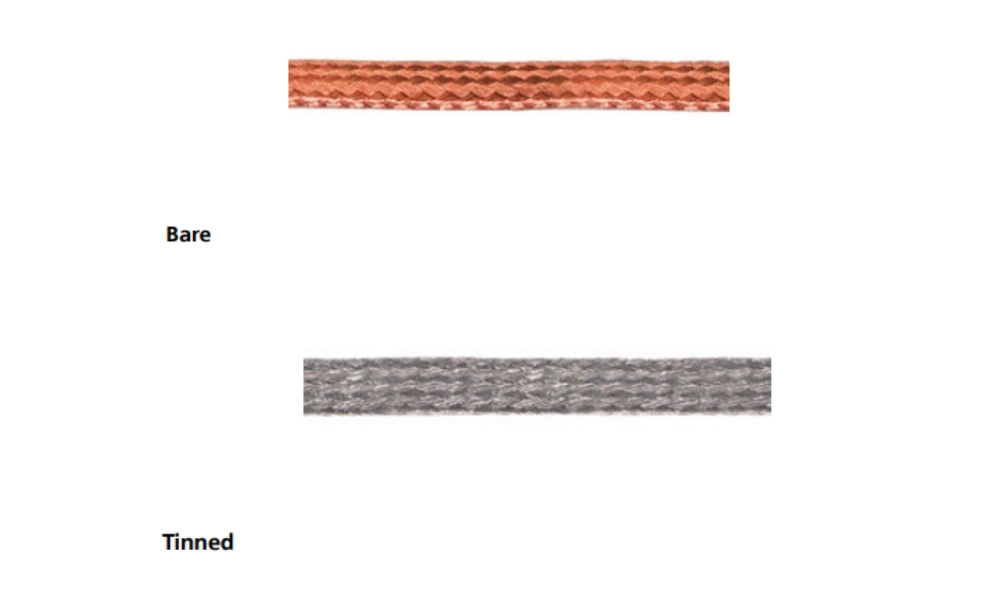
HELUPOWER® CU-WIRES FLAT BRAIDED BARE / TINNED earthing wire
5.3 HELUPOWER® CU-WIRES FLAT BRAIDED BARE / TINNED earthing cables
The HELUPOWER® CU-WIRES FLAT BRAIDED series is manufactured from high-quality annealed copper strands, available in either bare copper or tinned copper versions. The tin-plated option enhances oxidation and corrosion resistance, ensuring long-term durability even in demanding industrial environments. Thanks to its braided flat design, the conductor offers excellent torsion resistance and high flexibility, making it ideal for applications involving continuous movement or mechanical vibration.
With a wide operating temperature range from -20°C to +125°C, the cable maintains stable electrical performance across various environmental conditions. These flat braided earthing conductors are widely used in automotive, railway, energy, and industrial robotics sectors, particularly for mobile or dynamic electrical equipment connections.
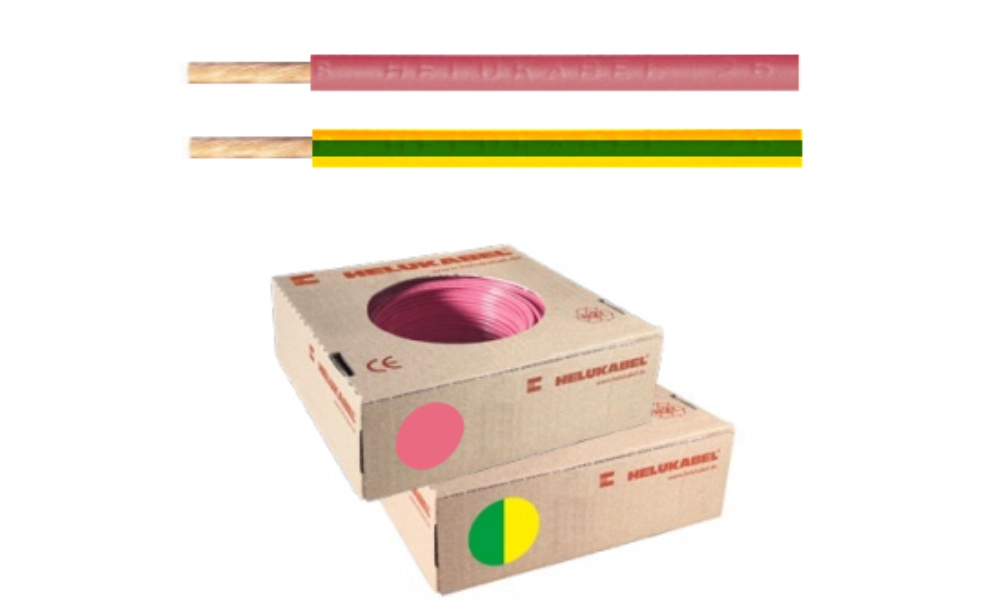
Green and yellow grounding wire H07V-K
5.4 H07V-K / 07V-K green-yellow earthing cables
The H07V-K / 07V-K green-yellow earthing cable is a single-core, finely stranded flexible copper conductor specifically designed for grounding applications in control panels and residential as well as industrial installations. It features heat-resistant PVC insulation and operates at a rated voltage of 450/750V, with a test voltage of 2500V, ensuring high safety standards for both equipment and users.
With its high flexibility, the cable is easy to install in conduits, concealed wall systems, and enclosed electrical installations, making it a reliable solution for compliant and efficient earthing systems.
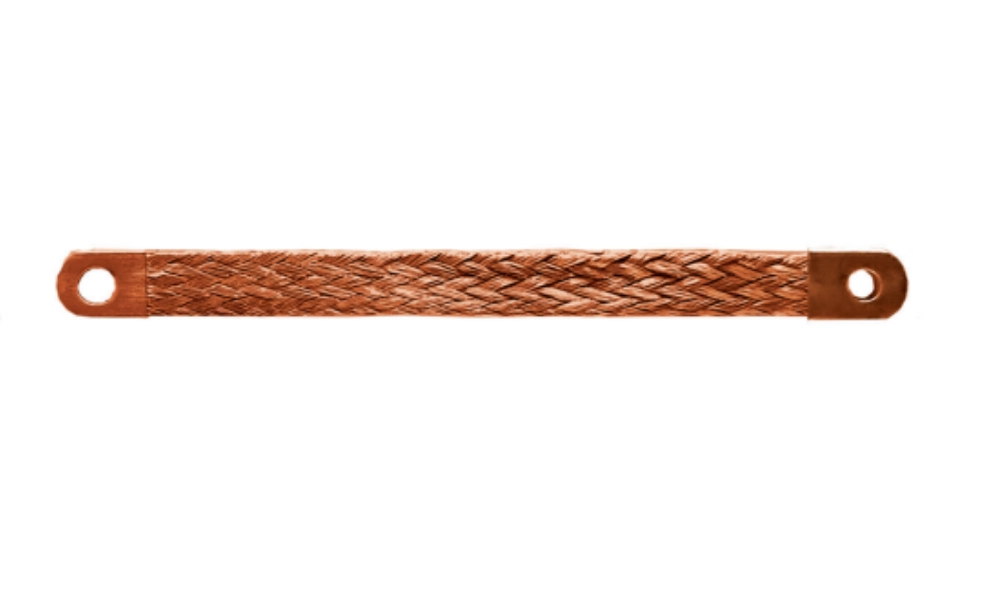
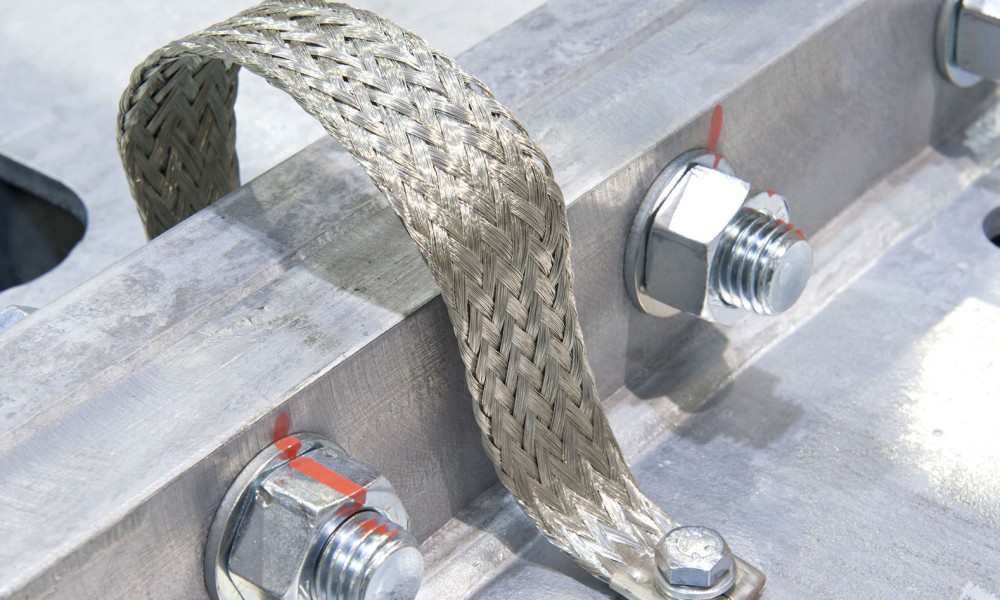
HELUPOWER® CU-STRAP FLAT BRAIDED BARE earthing strap
5.5 HELUPOWER® CU-STRAP FLAT BRAIDED BARE/TINNED earthing strap
The HELUPOWER® CU-STRAP FLAT BRAIDED earthing strap is manufactured from highly flexible flat-braided copper, available in either bare copper or tinned copper versions to enhance oxidation resistance and ensure long-term durability. The product is available in cross-sections ranging from 4 to 120 mm² and in various lengths from 90 to 40000 mm, providing flexibility for a wide range of installation requirements. Thanks to its highly flexible braided structure, it is particularly suitable for confined installation spaces or applications requiring complex bending configurations.
The earthing strap is designed with rounded contact ends, and the contact surface uses seamless crimped cable lugs (without welded joints), ensuring stable electrical conductivity and reduced contact resistance. Its flexible construction makes it ideal for applications involving repeated bending.
The product is widely used in the automotive industry, railway and rail vehicles, robotics, control cabinet manufacturing, energy systems, and control panel components. It is especially suitable for grounding purposes and EMC applications to minimize electromagnetic interference.
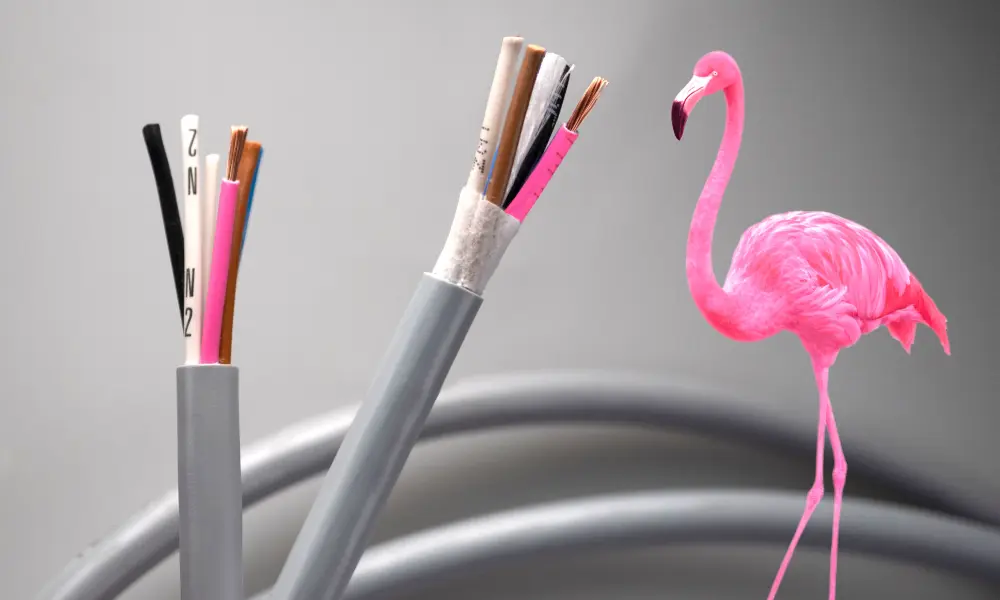
Power cable for Profinet devices with pink functional earth (FE) wire
5.6 Other HELU products for earthing applications
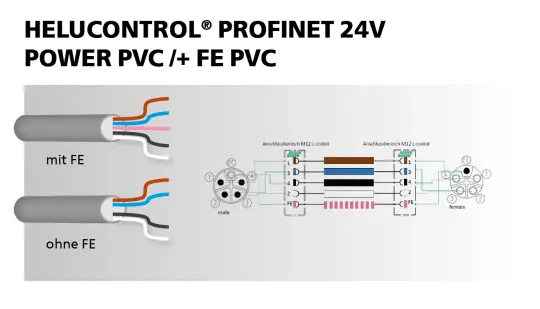
In addition to the products mentioned above, HELU also offers power supply cables for PROFINET devices with a dedicated pink Functional Earth (FE) conductor. This additional FE core ensures stable communication, reduces EMC interference, and enhances overall system reliability.
- HELUCONTROL® PROFINET 24V POWER PVC / HELUCONTROL® PROFINET 24V POWER + FE PVC
- HELUCHAIN® PROFINET 24V POWER PVC / HELUCHAIN® PROFINET 24V POWER + FE PVC
Furthermore, HELU provides two additional grounding cable types: H00V3-D (PVC insulated) and H00S-D (silicone insulated) , designed for portable grounding and short-circuiting applications.
- H00V3-D features a Class 6 extra-flexible copper conductor with PVC insulation. Thanks to its fine-stranded structure, the cable offers excellent flexibility and is suitable for applications requiring frequent handling or movement.
- H00S-D also utilizes a highly flexible Class 6 copper conductor but is insulated with silicone. This insulation enables operation in extreme temperature conditions while maintaining elasticity and high mechanical durability.
The transparent insulation layer protects the conductor from mechanical and chemical influences while allowing easy visual inspection of the core. The products are manufactured according to the harmonized standard PN-EN 61138, ensuring safety and reliability in industrial environments.
5.7 Other cables and accessories for earthing applications
Quick Mount Earthing Socket HED-300 is a fast-install grounding connector designed to quickly and securely fix grounding and equipotential bonding conductors, significantly reducing installation time. The product is manufactured from high-purity copper, ensuring optimal electrical conductivity and long service life. It is widely used in the automotive industry, robotic systems, and other environments requiring fast, secure, and cost-efficient grounding connections.
Industrial Ethernet cables and fieldbus cables
RJ45 connectors
EMC cable glands such as HELUTOP® MS-EP and HELUTOP® MS-EP4
6. Distinguish between terms related to grounding
6.1 Distinguishing between earthing and grounding in electrical systems
Earthing and grounding are both translated as "nối đất/tiếp địa" in Vietnamese. However, in essence, these two methods have certain differences.
Earthing is the method of directly connecting the metal parts of electrical equipment to the ground via a grounding wire (usually yellow-green). The main objective is to protect people from the risk of electric shock in the event of an electrical leak or contact with the equipment casing. In the event of a fault, excess current is safely conducted to the ground instead of passing through the human body.
Meanwhile, grounding typically involves connecting the system's neutral wire to the ground to stabilize voltage and protect the entire electrical system. This method helps balance voltage and limits damage to transformers, generators, and large power equipment in the event of overload or phase imbalance.
In summary:
- Earthing focuses on protecting people from electric shock.
- Grounding focuses on system stability and electrical equipment protection.
6.2 Difference between earthing and bonding
Unlike earthing, which diverts fault current directly to earth, bonding (equipotential bonding) connects conductive parts together to ensure they remain at the same electrical potential.
The objective of bonding is to prevent voltage differences between metallic parts or structures within an electrical installation. By equalizing potential, the risk of electric shock or fire caused by dangerous potential differences between metal surfaces is significantly reduced.
6.3 Difference between protective earthing and functional earthing
Earthing systems are generally divided into two main categories: Protective Earthing (PE) and Functional Earthing (FE).
Protective Earthing (PE) is intended to protect people and animals from electric shock and to ensure safety in case of short circuit or insulation failure. It is mandatory in all electrical systems, providing a low-impedance path for fault current to activate protective devices such as circuit breakers or fuses.
Functional Earthing (FE), in contrast, is not primarily intended for shock protection. Instead, it ensures stable and interference-free operation of electrical and electronic systems. FE dissipates electromagnetic interference generated by electronic circuits, thereby improving electromagnetic compatibility (EMC immunity) and maintaining reliable, continuous system performance.
7. FAQs about earthing cables
An earthing cable creates a low-resistance path from equipment housing to the ground electrode. If a fault current develops — due to insulation failure or wiring error — the current travels through the earthing cable to ground rather than through a person touching the equipment. This triggers the circuit breaker (RCCB/MCB) and cuts power. Earthing protection is mandatory in all electrical installations per IEC 60364.
Per IEC 60364 and most national standards: if the phase conductor is ≤16 mm², the PE conductor must equal the phase; if the phase is 16–35 mm², the PE minimum is 16 mm²; if the phase is >35 mm², the PE minimum is half the phase conductor cross-section.
PE (Protective Earth) is the safety earthing conductor — mandatory in all electrical installations. FE (Functional Earth) is used for EMC purposes: reducing electromagnetic interference in sensitive electronics, PLCs, variable frequency drives, and industrial network cables. Equipment like industrial Ethernet switches, fieldbuses, and measurement instruments typically require both PE and FE connections.
Yes. Per IEC 60446 and related national installation standards, PE conductors must use yellow-green insulation. This is a mandatory identification requirement — the color must not be used for phase or neutral conductors. Using the wrong color creates a serious safety hazard during maintenance or system expansion.
If you still have questions, don't forget to contact HELU Vietnam's team of engineers for detailed answers.
HELU Vietnam Contact Information
| HELU Vietnam 905 Nguyen Kiem Street, Hanh Thong Ward, Ho Chi Minh City, 700000, Vietnam | Phone:
+84 28 77755578 Email: info@helukabel.com.vn | Connect with us on |
| Order through our online channels Tiki | Shopee | Lazada | Product finder | ||