PVC cables: Structure, characteristics, applications & how to choose
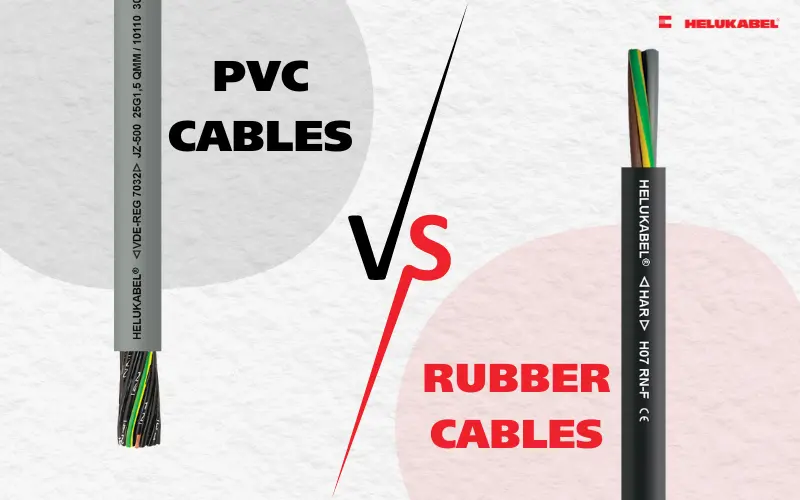
PVC cables are electrical cables that use PVC as the insulation material or protective sheath. They are widely used in residential and industrial electrical systems. With good insulation properties, ease of installation, and suitability for various operating conditions, PVC cables are available in many types to meet different requirements. So, what are the structure and characteristics of PVC cables, and where are they used? Let’s explore these aspects in detail in the following article.
Table of contents
1. What are PVC cables?
PVC-insulated cables, or PVC cables, are electrical conductors insulated with Polyvinyl Chloride (PVC) – a thermoplastic material widely used in the electrical industry and various industrial applications. With good insulation properties, stable durability, and reasonable cost, PVC is widely used to manufacture insulation and protective sheaths for wires and cables. Thanks to these advantages, PVC cables are now used in a wide range of applications, from residential electrical systems to industrial electrical equipment and systems.
2. Structure of PVC cables
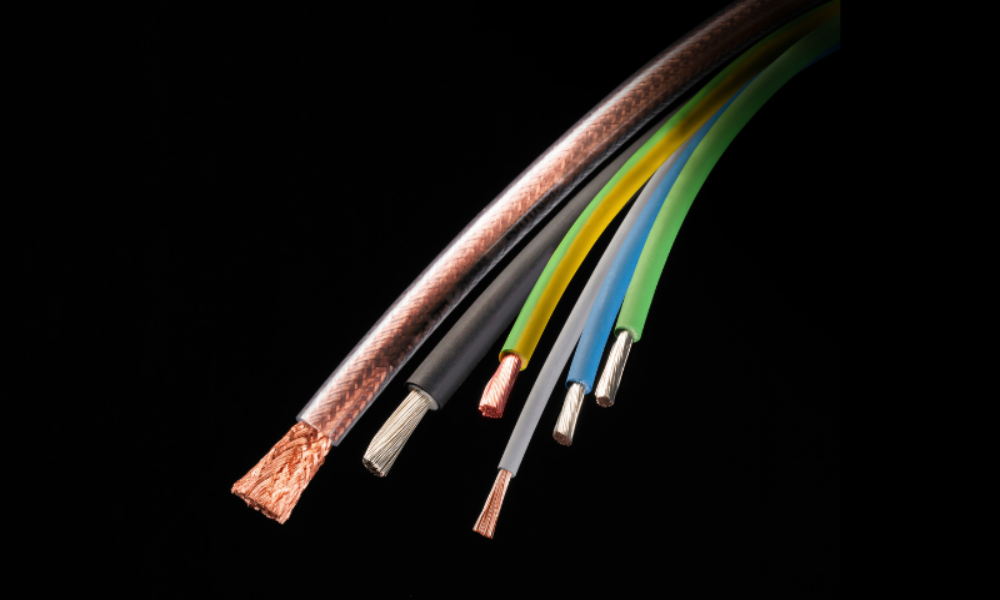
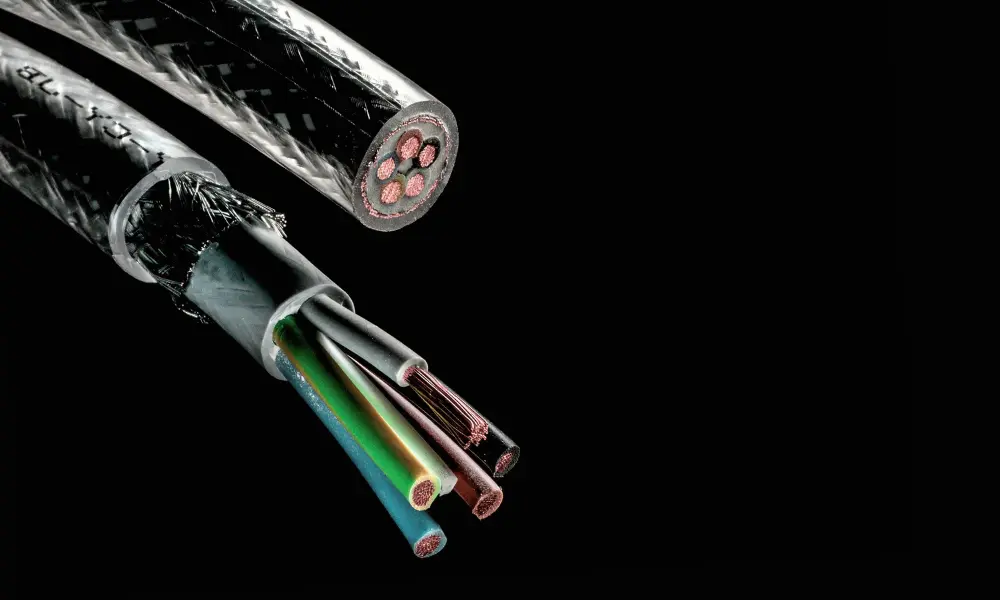
Basically, a PVC cable consists of an electrical conductor inside and a layer of PVC material surrounding it. The conductor is usually made of copper or aluminum and is responsible for transmitting electrical energy, while the PVC layer isolates the conductor from the external environment, helping reduce the risk of electrical leakage and unintended contact.
In practice, the PVC used in insulated cables does not consist of pure PVC alone. The material is usually blended with various components such as stabilizers, plasticizers, fillers, lubricants, antioxidants, and colorants. The proportions and composition of these additives can be adjusted to create PVC materials with characteristics suitable for specific applications, such as flexibility, heat resistance, or flame-retardant properties.
3. Characteristics of PVC cables
PVC cables are commonly selected for various applications thanks to the following key characteristics:
| Characteristic | Description |
| Insulation | Provides good electrical insulation and high resistivity, making it suitable for various electrical applications. |
| Heat resistance | Standard PVC generally has an operating temperature range of around -30°C to 70°C, while some specialized types can withstand higher temperatures of up to 90°C. |
| Flame resistance | Can have self-extinguishing properties, helping limit flame propagation depending on the material type and cable construction. |
| Mechanical strength | Provides good tensile strength and elongation, while its flexibility can be adjusted according to application requirements. |
| Moisture & chemical resistance | Provides resistance to moisture and can withstand many common chemical agents. |
| Weather resistance | Provides moderate weather resistance. When used outdoors, the UV resistance of each cable type should also be considered. |
One important point to note is that PVC is not a halogen-free material and may produce smoke and halogen-containing gases when burned. Therefore, PVC cables may not be suitable for areas with high fire-safety requirements.
4. Common specifications & standards of PVC cables
When selecting PVC cables, you need to understand certain specifications such as rated voltage, product standards, conductor class, and cross-sectional area to ensure that you choose the right cable for the system. Below are some references:
| Criteria | Information to know |
| Rated voltage | 300/500 V 450/750 V 0.6/1 kV |
| Conductor class | According to IEC 60228: Class 1 – solid conductor Class 2 – stranded conductor Class 5 – flexible conductor |
| Color coding | Brown/black/grey: phase conductors Blue: neutral conductor Green-yellow: protective earth conductor |
| Cross-sectional area | Approximately 0.5 mm² for control wires Approximately 400 mm² for power supply cables Approximately 25–185 mm² in industrial control cabinets |
| Standards | IEC 60227 IEC 60502-1 BS 6004 UL 83 |
*Information is for reference only and may vary depending on specific applications.
5. Advantages & disadvantages of PVC cables
PVC cables offer several advantages in terms of cost, insulation properties, and flexibility, but they also have certain limitations in high-temperature environments, outdoor applications, or projects requiring halogen-free materials.
Advantages
- Reasonable cost, suitable for many projects and electrical systems.
- Good insulation properties, helping reduce electrical leakage and support safe operation.
- Resistant to abrasion, moisture, and many common chemical agents.
- Easy to install thanks to different levels of flexibility, making it convenient for bending and wiring.
Disadvantages
- Standard PVC has a certain operating temperature range and is not suitable for extremely hot or cold environments.
- PVC is not a halogen-free material and may produce smoke and halogen-containing gases when burned.
- Can age, become brittle, and experience reduced performance when exposed to UV, heat, or unsuitable chemicals for long periods.
6. Key applications of PVC cables
Below are some common applications of PVC cables:
| Industry | Applications |
| Construction | Lighting, sockets, HVAC, and electrical systems in buildings |
| Power distribution | Low-voltage power supply, installation in conduits, underground, or on cable trays |
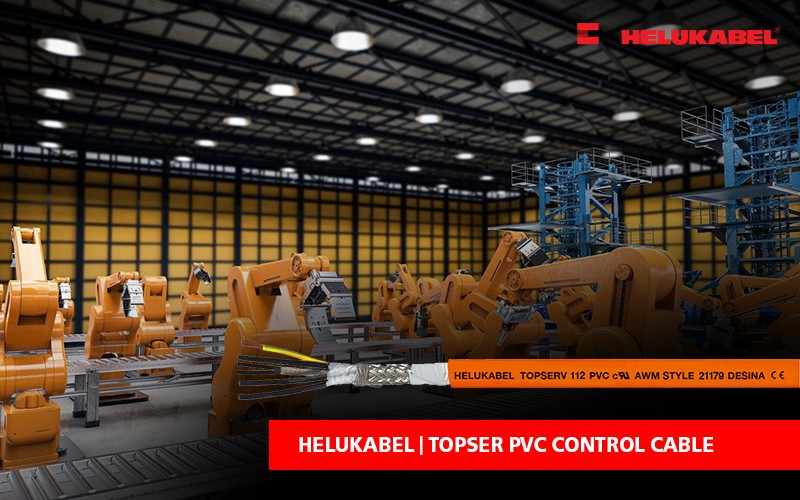
| Industrial plants | Machinery, conveyors, control cabinets, and automation systems |
| Infrastructure | Low-voltage electrical systems in tunnels, railway stations, and public facilities |
7. Common types of PVC cables
Many electrical cable products are PVC cables. Typical examples include:
| Cable group | Typical types | Our suggested cables |
| Electrical wires/cables | Single-core PVC wires, low-voltage power cables, CVV cables |
H07V-U H07V-K NYY-J / NYY-O |
| Control & signal cables | Control cables, signal cables, shielded cables |
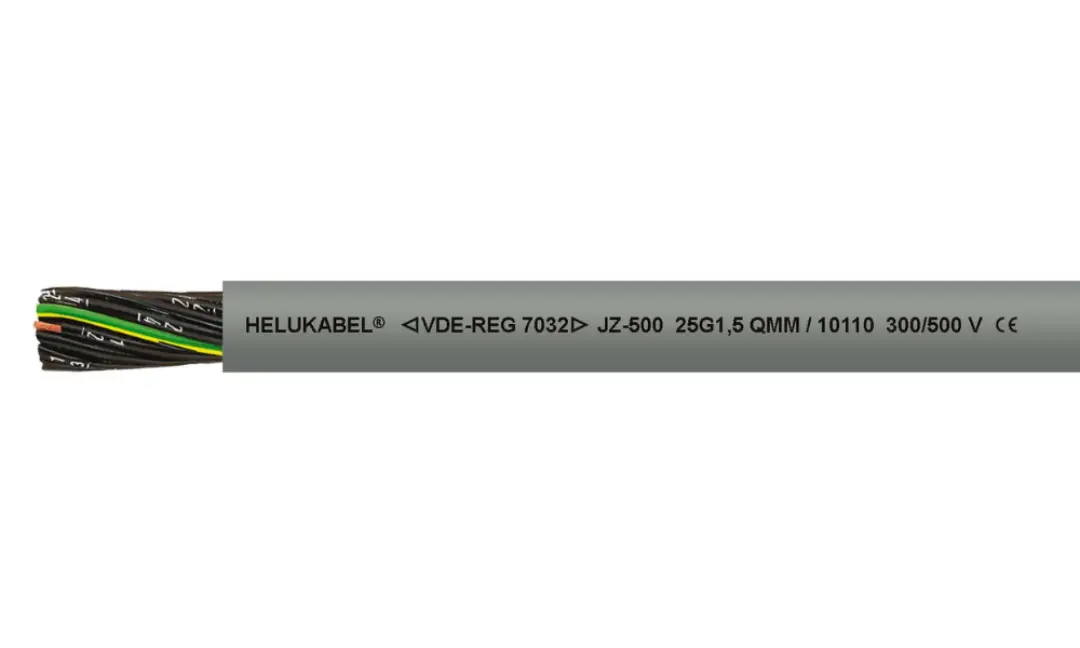
JZ-500 / OZ-500 JZ-500-C / OZ-500-C |
| Data & communication cables | PVC data cables, computer cables, RS485 cables |
HELUDATA 2919 PE/PVC HELUDATA 20276 PE/PVC-TP HELUDATA 2464 PVC/PVC-TP |
| Automation cables | Motor, Servo, Feedback, Industrial Ethernet cables |
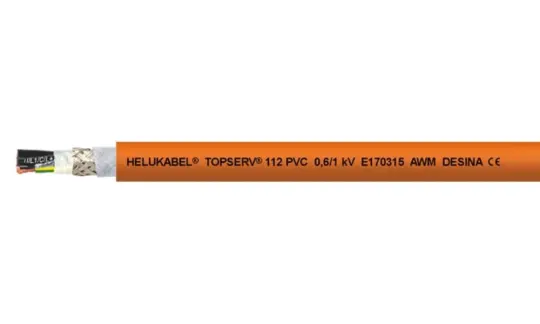
TOPSERV® 108 PVC TOPSERV® 112 PVC HELUKAT® 500IND CAT.6A PVC STATIC |
| Single-core & specialized wires | Single-core PVC wires, AWG wires, heat-resistant wires |
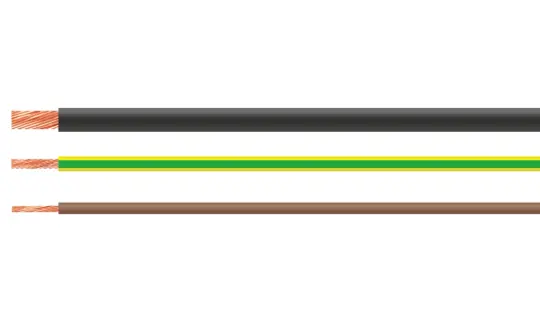
FIVENORM H07V2-K / H07V-K SINGLE CORE UL Style 1015 |
8. How to choose the right PVC cable
When selecting PVC cables, you should consider the following factors at the same time:
- Determine the voltage and current load suitable for the system.
- Select the appropriate cross-sectional area and number of cores based on the load, cable length, and installation method.
- Check the cable’s operating temperature and the surrounding environment.
- Consider the cable’s bending/flexing or movement requirements if it is installed on machinery or moving systems.
- Evaluate the installation environment, including exposure to oil, chemicals, UV, moisture, and mechanical impact.
- Check fire-safety and halogen requirements to choose a suitable PVC or LSZH solution .
9. Comparison between PVC and XLPE cables
In addition to PVC, XLPE (Cross-Linked Polyethylene) is also a common material used for cable insulation. These two types of cables are often compared in terms of heat resistance, electrical properties, flexibility, and applications. The table below provides an overview:
| Criteria | PVC cables | XLPE cables |
| Insulation material | Thermoplastic PVC | Cross-linked polyethylene (XLPE), a thermosetting material |
| Heat resistance | Typically around 70°C under continuous operation, depending on the type | Typically around 90°C under continuous operation, depending on the type |
| Flexibility | Softer and easier to install | More rigid than PVC |
| Electrical properties | Good insulation properties, suitable for many common applications | Higher dielectric strength and lower dielectric losses |
| Environmental resistance | Suitable for standard environments | Better resistance to heat, moisture, and certain chemical effects |
| Cost | Generally lower | Generally higher |
| Applications | Residential electrical wires, control cables, low-voltage electrical systems, and common applications | Industrial power cables, power distribution systems, high-temperature environments, or applications requiring higher performance |
10. Frequently asked questions about PVC cables
Yes. PVC cables provide good insulation, suitable durability, and reasonable cost, making them suitable for many common electrical applications.
Depending on the material type and cable construction, the operating temperature of PVC cables is generally around -30°C to 70°C.
The fire resistance of PVC cables depends on the PVC compound, cable construction, and applicable standards. When used in projects with fire-safety requirements, products with appropriate certifications or fire-resistant properties should be selected.
They can be used if the PVC cable is specifically designed for outdoor environments, such as with resistance to UV, moisture, and relevant environmental factors.
They can be used, but PVC cables specifically designed for moving applications should be selected. For continuous movement or repeated bending, cables with a suitable construction should be used.
PVC and XLPE mainly differ in their insulation materials. XLPE generally offers higher heat resistance and current-carrying capacity, while PVC is more widely used and generally more cost-effective.
Looking for high-quality PVC cables from Germany for your system?
Explore HELU’s range of PVC wires and cables, with a wide selection of products for residential, industrial, control, and automation applications. Contact our HELU Vietnam team for expert advice and the right cable solution to meet your project’s technical requirements.