Comparing cable connectors made of copper, aluminum, nylon & stainless steel
Cable connectors are manufactured from various materials, including copper, aluminum, nylon, and stainless steel. This variety allows connectors to meet different requirements in terms of electrical conductivity, insulation, mechanical strength, and installation conditions. So, what are the characteristics of each material, and which one is suitable for industrial electrical systems?
Article Content
Overview of materials used in cable connectors
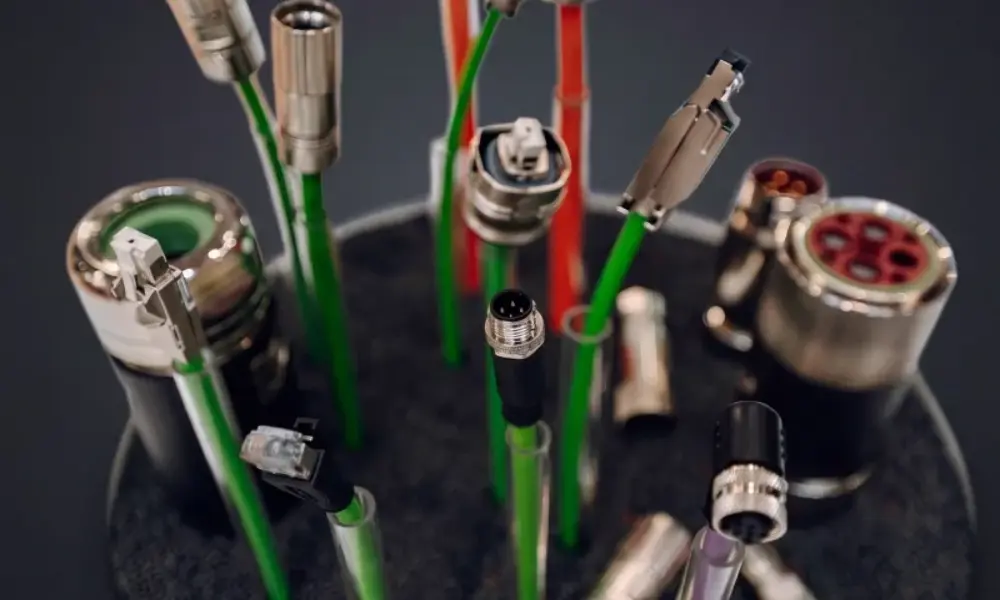
A cable connector is a device used to connect one cable to another, a cable to a device, or a cable to a circuit board. Depending on their design and intended application, connectors can be made from various materials.
Specifically, electrical contacts are typically made from highly conductive metals such as copper and aluminum. Meanwhile, nylon is used for insulating housings, while stainless steel is commonly used for mechanical protection and fastening. Combining these materials allows connectors to meet both electrical performance and durability requirements during operation.
The following table provides an overview of four common materials used in cable connectors:
| Criteria | Copper | Aluminum | Nylon | Stainless steel |
| Electrical conductivity | Excellent | Good | Insulating | Low |
| Weight | Relatively heavy | Lightweight | Very lightweight | Heavy |
| Mechanical strength | Good | Fairly good | Good, depending on the type | Excellent |
| Corrosion resistance | Good | Forms a surface oxide layer | Good against many chemicals | Good, depending on the steel grade |
| Main function | Electrical conduction | Electrical conduction | Insulation and protection | Mechanical protection and fastening |
In addition to these four materials, cable connectors available on the market may also be made from other materials depending on technical requirements:
- Brass: An alloy primarily composed of copper and zinc, offering good mechanical strength, machinability, and relatively good corrosion resistance. It is commonly used for contact pins, connectors, and metal components.
- Polycarbonate (PC): An engineering plastic with good impact resistance, electrical insulation properties, and relatively high heat resistance. It is commonly used to manufacture connector housings.
- Ceramic: Offers excellent electrical insulation and high heat resistance, making it suitable for specialized applications in high-temperature environments.
- Gold and silver: Often used as surface plating on electrical contacts to improve conductivity and oxidation resistance. Gold offers good corrosion resistance, while silver has very high electrical conductivity.
- Rubber: Used for gaskets and sealing rings to improve sealing performance and prevent dust and moisture from entering the connector.
2. Understanding copper cable connectors
Copper is one of the most commonly used materials for manufacturing conductive components in cable connectors. Thanks to its high electrical conductivity and good ductility, copper allows electrical current to flow with low resistance and can be easily processed into various contact shapes.
Characteristics of copper cable connectors
- High electrical conductivity, second only to silver among commonly used metals.
- Good ductility and malleability, making it suitable for manufacturing processes.
- Relatively good mechanical strength, meeting the requirements of various electrical connection applications.
- Good corrosion resistance under normal operating conditions.
Advantages of copper cable connectors
- High electrical conductivity helps reduce energy loss and heat generation at contact points.
- Easy to process into pins, sockets, and contacts in various sizes.
Applications of copper cable connectors
Copper-contact cable connectors are commonly used in power distribution systems, control cabinets, and industrial electrical equipment thanks to their high electrical conductivity. In addition to pure copper, some products use copper as the base material and apply tin, gold, or silver plating to the surface to improve oxidation resistance and electrical contact quality.
3. Understanding aluminum cable connectors
Aluminum is used in cable connector manufacturing, particularly in applications where reduced weight and material costs are required. Although its electrical conductivity is lower than that of copper, aluminum can still meet many electrical connection requirements when properly designed and installed.
Characteristics of aluminum cable connectors
- Lightweight, weighing approximately one-third as much as copper.
- Good electrical conductivity, although lower than copper.
- Naturally forms an oxide layer on its surface when exposed to air.
- Offers corrosion resistance under many normal environmental conditions.
Advantages of aluminum cable connectors
- Reduces the overall weight of the connection system.
- Material costs are generally lower than those of copper.
Applications of aluminum cable connectors
Aluminum connectors are widely used in power transmission and distribution systems, particularly in applications involving aluminum conductors. However, when using aluminum connectors, attention should be paid to the surface oxide layer, as it has high electrical resistance and may affect contact quality.
4. Understanding nylon cable connectors
Nylon (Polyamide – PA) is an engineering plastic commonly used to manufacture housings and insulating components in cable connectors. Unlike copper and aluminum, nylon does not conduct electrical current but primarily protects the internal metal contacts.
Characteristics of nylon cable connectors
- Good electrical insulation properties, helping reduce the risk of unintended electrical contact.
- Lightweight while offering relatively high mechanical strength.
- Good abrasion resistance and resistance to various chemicals, depending on the material grade.
- Can be processed through injection molding to create components with complex shapes.
Advantages of nylon cable connectors
- Provides insulation and protects the conductive components inside the connector.
- Convenient for installation and use in confined spaces.
Applications of nylon cable connectors
Nylon cable connectors are suitable for applications requiring electrical insulation, lightweight construction, and abrasion resistance. These connectors are commonly used in electrical equipment, sensor systems, and industrial automation production lines. Depending on the material grade, nylon cable connectors can also meet requirements for heat resistance, flame retardancy, and mechanical strength. For example, some applications use nylon materials that meet the UL 94 V-0 flammability rating.
5. Understanding stainless steel cable connectors
Stainless steel is an alloy containing iron and at least 10.5% chromium, which helps form a passive protective layer on the surface to prevent corrosion. Thanks to its mechanical strength and good oxidation resistance, this material is commonly used for connector housings, bodies, and fastening components.
Characteristics of stainless steel cable connectors
- High mechanical strength and good load-bearing capacity.
- Corrosion and oxidation resistance provided by its chromium-containing passive layer.
- Can withstand various harsh environmental conditions.
- Relatively heavy compared with aluminum and nylon.
Advantages of stainless steel cable connectors
- Suitable for environments with high humidity or frequent exposure to corrosive agents.
- Helps protect internal connector components from physical impacts.
- Offers good service life when the appropriate material grade and operating conditions are selected.
Applications of stainless steel cable connectors
Thanks to their corrosion resistance and mechanical strength, stainless steel cable connectors are often selected for outdoor installations or industrial environments with high humidity. This material is mainly used to manufacture housings, nuts, screws, and fastening components to improve durability and protect the connector structure.
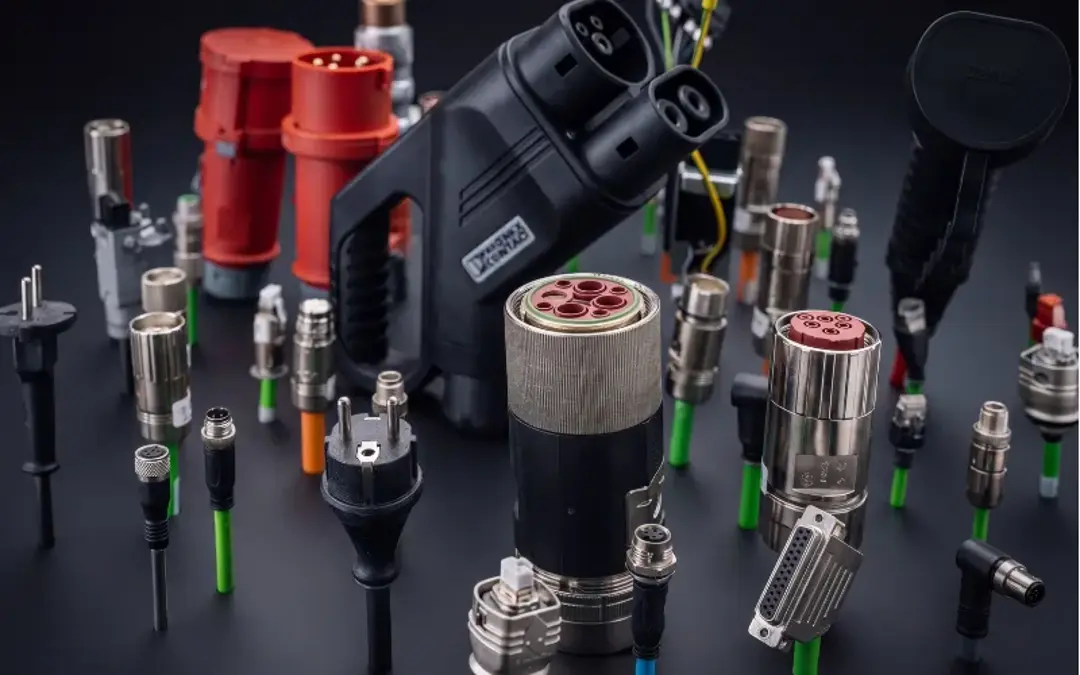
6. Which cable connectors should you choose?
You should consider the function of each component, technical requirements, and installation environment when selecting cable connectors. Here are some recommendations:
✅ Choose copper cable connectors when the system requires high electrical conductivity, stable connections, and reduced energy loss.
✅ Choose aluminum cable connectors when weight reduction and cost optimization are priorities, or when connectors need to be compatible with aluminum conductors.
✅ Choose nylon cable connectors when electrical insulation, lightweight construction, and protection for internal metal contacts are required.
✅ Choose stainless steel cable connectors when mechanical strength, corrosion resistance, and connector protection in harsh environments are priorities.
In some designs, cable connectors can combine multiple materials to take advantage of their individual properties. For example, a product may use copper contacts for electrical conduction, a nylon housing for insulation, and a metal body for enhanced mechanical protection.
💡 Learn more: HELUTEC® Cable Connectors – Connection Solutions for Industrial Motors
7. Things to consider when selecting & installing cable connectors
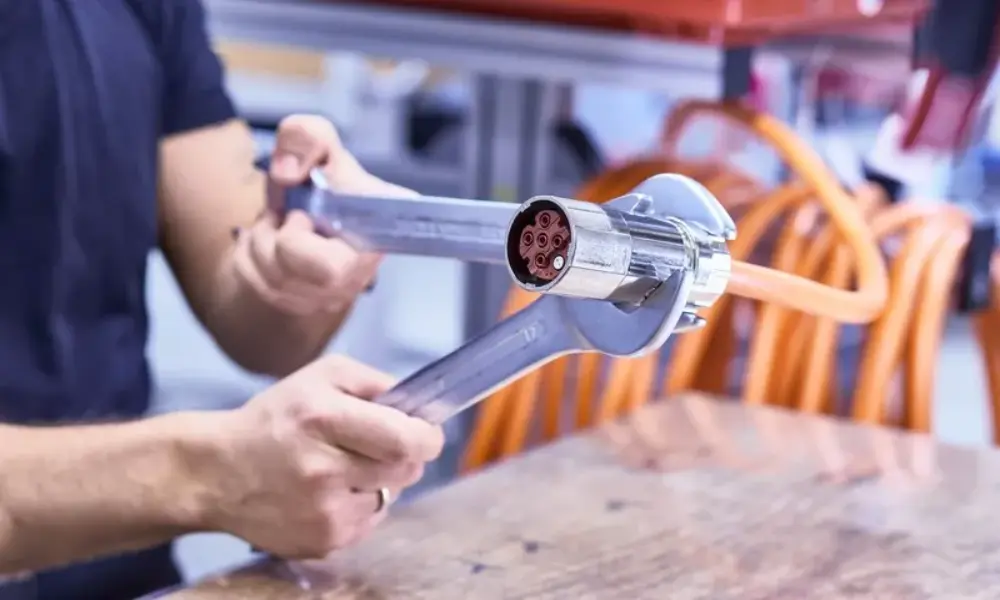
In addition to the materials used in cable connectors, do not overlook the following technical factors:
- Check the cable cross-section and diameter to select connectors with compatible dimensions.
- Determine the rated current and voltage to meet the system's operating requirements.
- Consider the installation environment to select suitable materials and protection ratings.
- Ensure that the contact material is compatible with the cable conductor, especially when connecting copper and aluminum.
- Use specialized tools and follow the manufacturer's installation instructions.
- Check connection security, contact quality, and sealing performance before operation.
8. Introduction to HELU’s notable cable connectors
We HELU offer a wide range of cable connectors and industrial connection solutions to meet installation requirements across various industries. The product portfolio includes RJ45 connectors, M8/M12 connectors, fiber optic connectors, DC connectors, and HELUTEC® industrial connector series.
Some notable product lines include:
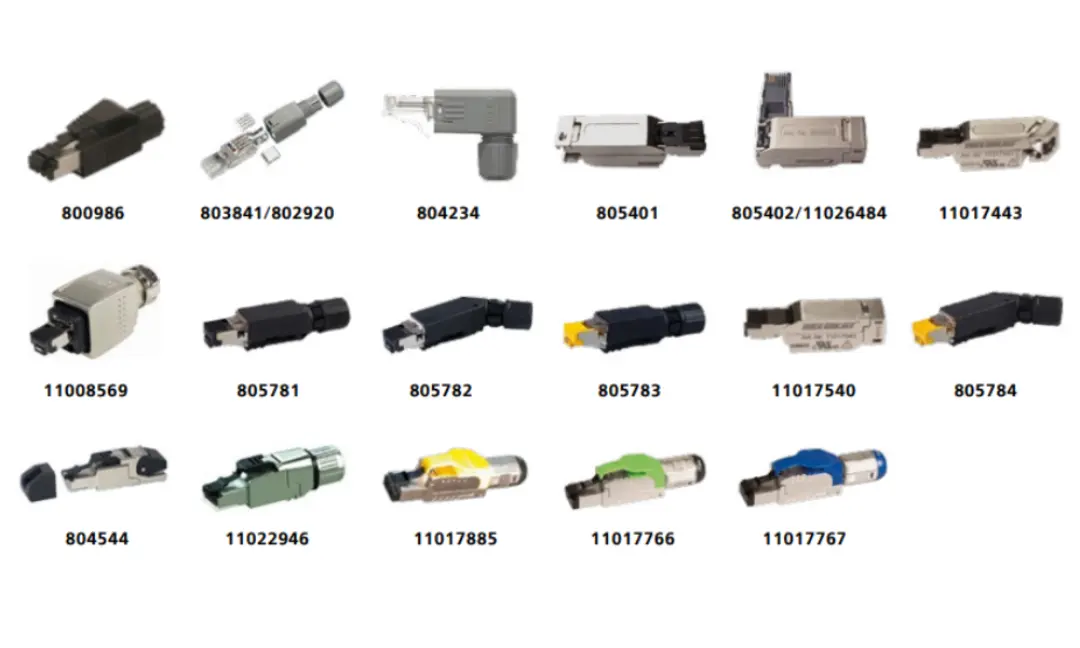
- RJ45 cable connectors: Used in industrial networking and communication systems, supporting connection standards such as PROFINET and TIA 568 A/B.
- M12 cable connectors: Suitable for factory automation applications, connecting sensors, actuators, and I/O devices. These products are available in various pin configurations and connection types.
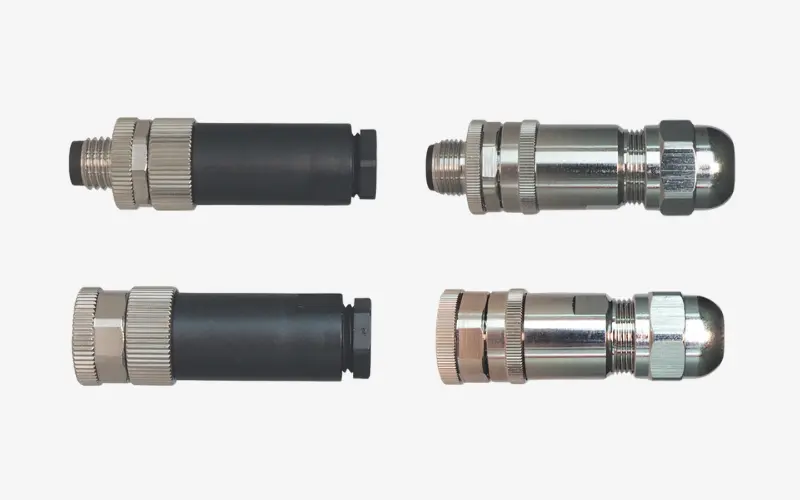
- M8/M12 circular cable connectors: Available with polyamide and metal housings to meet different installation requirements in control and automation systems.
- HELUTEC® industrial connectors: Include various series such as 617, 623, 627, 723, 917, 923, 940, and 958, designed for industrial power, signal, and communication connections.
In addition, we provide pre-assembled cable solutions with connectors tailored to specific technical requirements, helping simplify installation and meet specialized operating conditions.
Visit the HELU cable connector catalog to explore the products and their technical specifications. Feel free to contact us for detailed consultation!
Contact HELU Vietnam today for consultation and a product quote
9. Frequently asked questions about cable connectors
Copper has higher electrical conductivity than aluminum. According to the International Annealed Copper Standard (IACS), aluminum has approximately 61% of copper’s electrical conductivity.
No. Nylon is an insulating material commonly used to manufacture housings and components that protect the internal metal contacts of connectors.
Yes. Stainless steel offers corrosion resistance thanks to the passive layer formed by its chromium content. However, the level of corrosion resistance also depends on the steel grade, environmental conditions, and surface treatment method.
Yes, but connectors specifically designed and certified for connections between these two materials must be used. Improper connections may lead to oxide formation and galvanic corrosion, increasing contact resistance, generating heat, and affecting system safety.
Stainless steel connectors may be suitable for housings and fastening components thanks to their corrosion resistance. Meanwhile, connectors made from specialized nylon can be used for insulating housings.