Flame-retardant cables: A solution to limit fire spread in modern buildings
In many buildings, the risk of fire spreading through electrical systems is always a concern that needs to be controlled. Thanks to their ability to limit the spread of flames and reduce toxic smoke emissions, flame-retardant cables are increasingly being used in buildings, factories, and critical infrastructure systems.
1. What are flame-retardant cables and their characteristics?
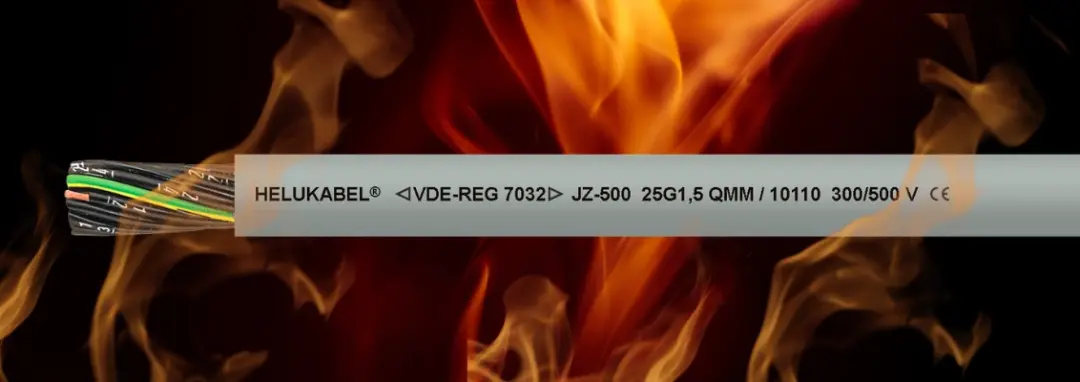
Flame-retardantire cables are cables designed to prevent the spread of fire in the event of a fire. Although the cable itself may still burn and lose functionality under extreme heat, its key function is to stop flames from spreading beyond the affected area. In other words, these cables help contain fires locally, protecting nearby equipment and reducing the risk of further damage.
Flame-retardant cables have the following outstanding characteristics:
Flame-retardant capability: The outer sheath and insulation are made from flame-retardant materials, capable of automatically extinguishing flames at high temperatures or controlling fire within a localized area, preventing the spread of fire.
High temperature resistance: Flame-retardant cables are designed to withstand elevated temperatures while maintaining stable operation, minimizing the risk of damage or ignition caused by excessive heat.
Environmental friendliness: Flame-retardant cables are produced using materials that comply with environmental standards and are considered safe for both people and the environment. In the event of a fire, they emit minimal or no toxic gases that could endanger human health.
2. The science behind flame-retardant cables
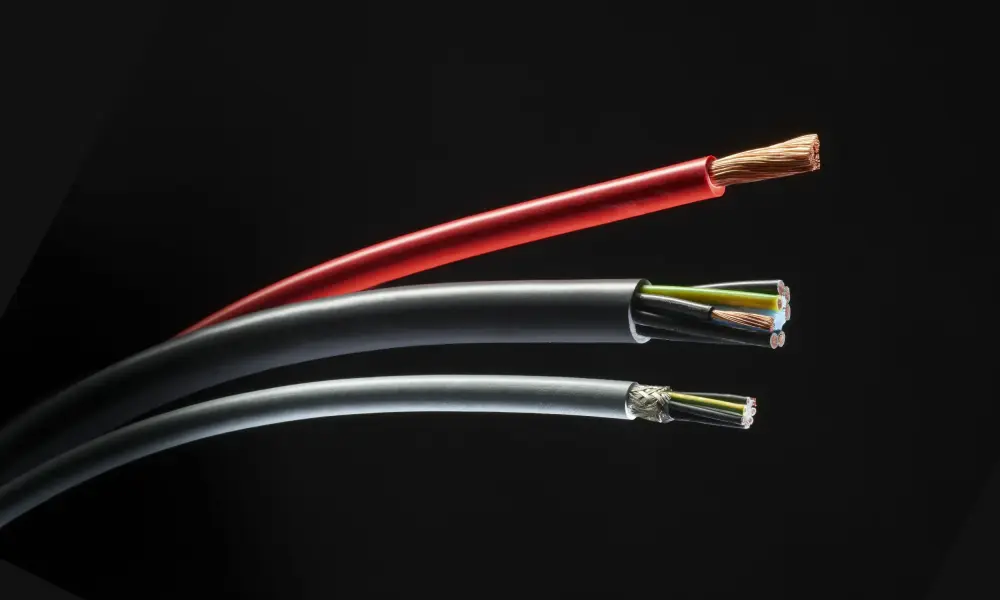
Flame-retardant cables are manufactured using materials and designs that prevent the spread of fire, thereby protecting lives and property. This is accomplished through a combination of protective mechanisms:
Flame-retardant materials: The primary fire prevention measure is the use of materials that can withstand high temperatures without igniting or decomposing. Commonly used materials include polyvinyl chloride (PVC), low-smoke zero-halogen compounds (LSZH), and cross-linked polyethylene (XLPE). These materials are less likely to ignite, and even when exposed to flames, they burn more slowly and with lower combustion intensity.
Additives and coatings: Flame-retardant cables are also formulated with additives such as aluminum hydroxide and magnesium hydroxide, which release water vapor when exposed to heat. The released vapor helps lower the temperature of the material and suppress the combustion process. In addition, protective layers such as flame-retardant tapes or sheaths further enhance the cable’s resistance to fire.
Shielding: Some flame-retardant cables are designed with additional shielding layers that help inhibit the spread of fire. These layers may be made of mica, a mineral capable of withstanding extremely high temperatures, thereby preventing flames from propagating along the cable.
Insulation design: The insulation used in flame-retardant cables is engineered to carbonize and form a protective char layer when exposed to fire. This layer acts as a thermal barrier, helping to protect the cable core, preserve electrical integrity, and minimize further damage.
3. Explanation of the flame-retardant cable tests
Flame-retardant cable tests help assess the cable's ability to limit flame spread, smoke generation levels, and performance under high-temperature conditions, thereby ensuring the safety of electrical systems and buildings.
3.1. Flame-retardant testing: IEC 60332-1-2 and IEC 60332-3
The IEC 60332-1-2 standard tests the vertical flame propagation of single-insulated conductors or cables. In the test, a single-core cable approximately 0.6 m long is installed vertically using two clamps, and a flame is applied to the lower end for 60 seconds (or 120 seconds if the overall diameter of the cable is greater than 25 mm).
Passing criteria: After extinguishing the flame, the burning cable self-extinguishes and the burn mark is at least 50mm away from the top clamp.
The IEC 60332-3 standard tests the vertical flame propagation of bundles of wires or cables mounted vertically. This test is conducted because it cannot be assumed that cable bundles will react the same way in a fire as individual cables. This is because flame propagation along a vertical cable bundle depends on other factors, such as the contact volume of the flammable material and the geometric configuration of the cable strands.
Passing criteria: After the fire is extinguished, the charred area must not exceed 2.5 meters in height.
3.2. Acid gas emission test: IEC 60754
When fire comes into contact with polyvinyl chloride (PVC) or other chlorine-containing materials, hydrogen chloride gas is released. Hydrogen chloride gas forms corrosive hydrochloric acid (HCl) upon contact with water present in body tissues. This irritates the eyes, mouth, throat, nose, and lungs, thus making escape more difficult. The international standard IEC 60754 specifies tests to determine the acidity of gases produced during the combustion of materials from electrical cables by measuring pH and conductivity.
Passing criteria: The average pH value must not be less than 4.3 when compared to 1 liter of water, and the average electrical conductivity value must not be greater than 10 μS/mm when compared to 1 liter of water.
3.3. Smoke emission test: IEC 61034
This test measures the smoke density of electrical cables when burning under specified conditions.
The “3-meter cube” test measures the amount of smoke produced by cables in the event of a fire. The cables are placed in a sealed space with a volume of 3 m³. A tray containing alcohol is placed above ground to allow air circulation around and beneath the tray. Test samples (cables or bundles of wires) are placed horizontally in the center of the tray. Air circulation begins, and 1 liter of alcohol ignites.
A light beam is projected from one side of the test chamber to the opposite side, with the light intensity measured between the light source and the photocell. The test is considered complete when no further reduction in light transmission is observed within 5 minutes after the fire source has been extinguished, or when the total test duration reaches 40 minutes.
Passing criteria: A minimum measured light transmittance of 60%, meaning the smoke density must have a maximum value of 40%.
4. How many types of flame-retardant cables are available on the market?
Currently, the market offers many types of flame-retardant cables with different characteristics and protection levels, meeting diverse electrical safety and fire prevention requirements for various projects. Depending on the constituent materials, smoke generation potential, and halogen content, each type of cable is suitable for specific installation environments and usage standards.
4.1. Common flame-retardant cables
A common type of flame-retardant cable effectively slows the spread of flames along the cable, preventing the fire from spreading. Due to its low cost, this is the most widely used type of flame-retardant cable. Whether it's a single cable or a bundle of cables, when a cable catches fire, the spread of flames can be controlled within a certain range, thus preventing major fire disasters.
4.2. Low-smoke, halogen-free flame-retardant cables
Halogen-free, low-smoke cables are characterized not only by their flame-retardant properties but also by the fact that their constituent materials are halogen-free. This minimizes damage to equipment and tools, contributing to timely rescue efforts in case of fire. While halogen-free, low-smoke, flame-retardant cables offer flame retardancy, corrosion resistance, and low smoke concentrations, their mechanical and electrical properties are slightly inferior to those of conventional cables.
4.3. Low-halogen, low-smoke flame-retardant cables
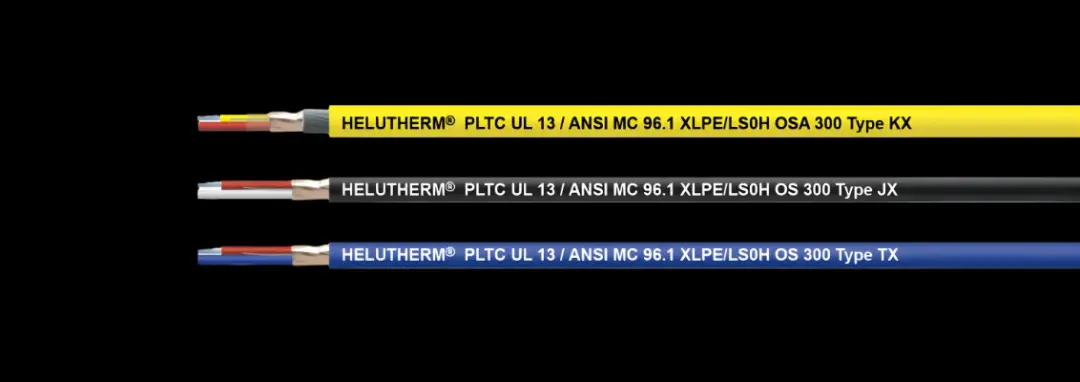
The hydrogen chloride emission and smoke concentration values of low-halogen, low-smoke flame-retardant cables fall between the two types mentioned above. Low-halogen cables still contain halogens in their material composition, but at lower levels. This type of cable not only has flame-retardant properties but also emits less smoke and hydrogen chloride when burned. The basic material for this type of cable is usually polyvinyl chloride (PVC), which is then treated with a highly effective flame-retardant, HCl absorber, and smoke reducer. As a result, this flame-retardant material significantly improves the fire performance of conventional flame-retardant PVC.
5. Why should you choose flame-retardant cables?
The use of flame-retardant cables provides several important advantages:
Improved safety
By limiting the spread of fire, flame-retardant cables provide additional time for evacuation and firefighting efforts, helping to reduce the risk of injury, loss of life, and property damage.
Lower smoke and toxic emissions
Low-smoke zero-halogen (LSZH) flame-retardant cables emit minimal smoke and toxic gases when exposed to fire. This helps maintain visibility during emergencies and reduces the risk of exposure to harmful substances.
Regulatory compliance
Many industries and building codes require the use of flame-retardant cables to meet fire safety standards. Their implementation helps ensure compliance with applicable regulations while improving overall system safety.
Greater durability and service life
Flame-retardant cables are designed to perform reliably under demanding conditions, offering enhanced durability and a longer operational lifespan compared to conventional cables.
6. What applications are flame-retardant cables suitable for?
Flame-retardant cables are widely used in environments where fire safety is a critical requirement, including:
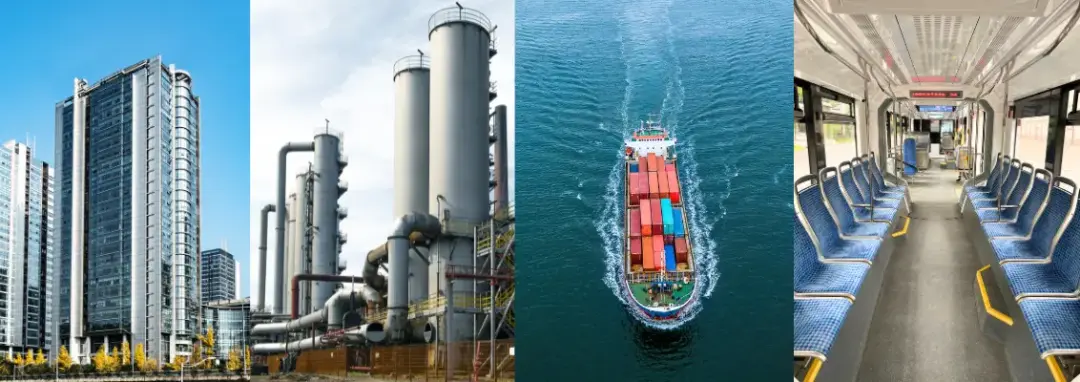
Residential and commercial buildings
In buildings, flame-retardant cables are essential components of electrical systems, helping prevent fires caused by electrical wiring from spreading rapidly. This is especially important in high-rise buildings and densely populated residential areas.
Industrial facilities
In industrial settings, flame-retardant cables help protect critical equipment and systems from fire-related damage. Their use is particularly important in high-risk environments such as chemical plants, factories, and manufacturing facilities where the potential for fire or explosion is higher.
Marine applications
Flame-retardant cables play a vital role in ships and offshore platforms, where fire incidents can lead to severe consequences. These cables help limit the spread of fire through onboard electrical systems, enhancing overall operational safety.
Public transportation
Flame-retardant cables are also commonly used in transportation systems such as trains, buses, and aircraft to improve passenger safety and reduce fire hazards in emergency situations.
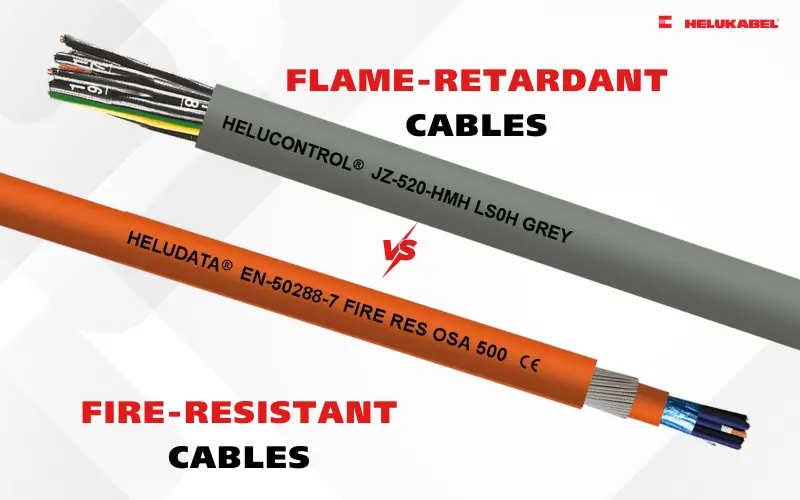
7. Differences between flame-retardant and fire-resistant cables
Flame-retardant and fire-resistant cables are often confused. Here are the key differences:
Materials
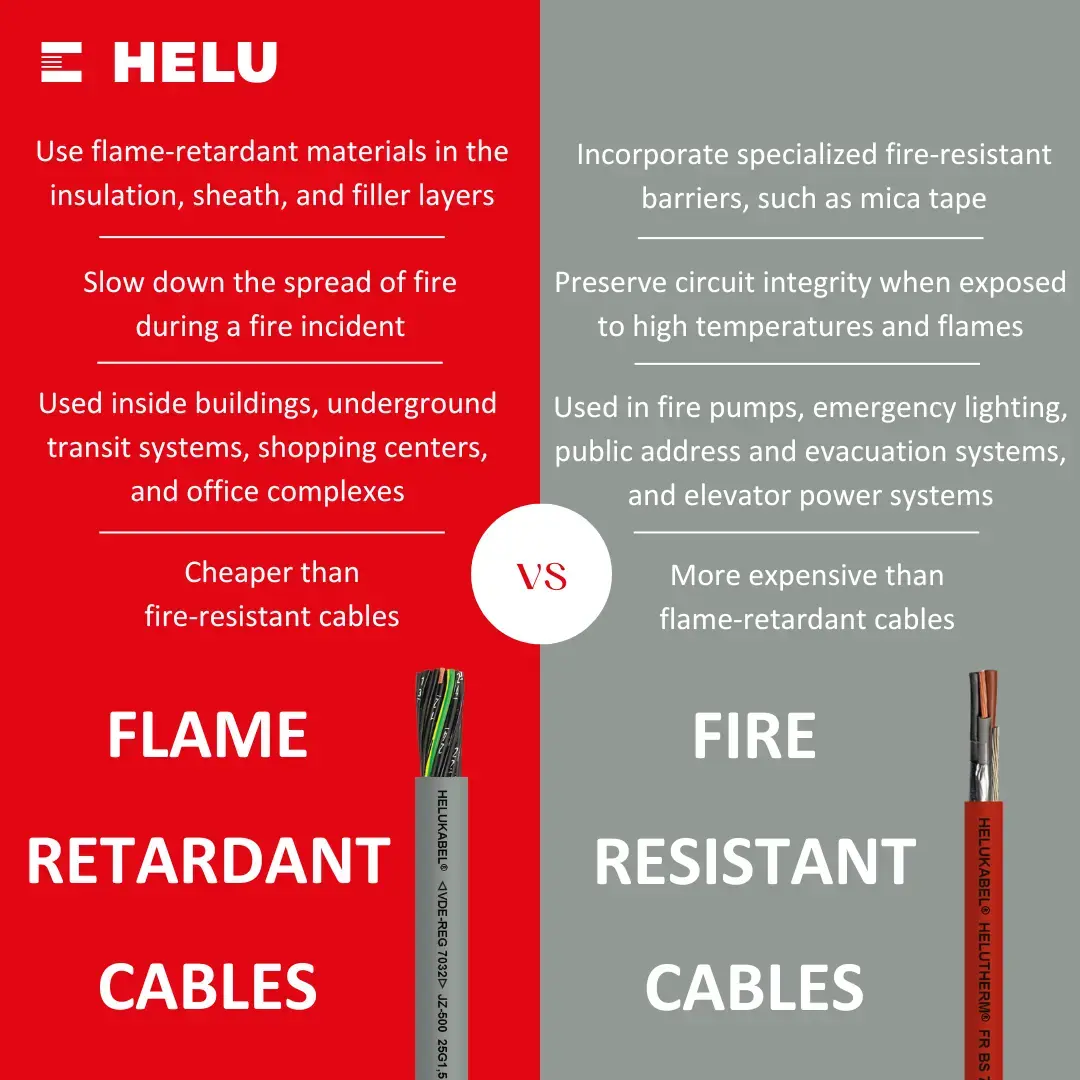
Flame-retardant cables achieve fire protection through the use of flame-retardant materials in the insulation, sheath, and filler layers. Common materials include LSZH compounds and PVC.
Fire-resistant cables incorporate specialized fire-resistant barriers, such as mica tape, to protect the conductors and maintain electrical circuit integrity even under extremely high temperatures.
Functions
The primary function of flame-retardant cables is to slow down the spread of fire and minimize smoke generation during a fire incident. However, these cables are not designed to maintain continuous electrical operation under fire conditions.
In contrast, fire-resistant cables are specifically engineered to preserve circuit integrity when exposed to high temperatures and flames. Even during a fire, they can continue supplying power for a certain period, ensuring the operation of essential systems and emergency equipment.
Applications
Flame-retardant cables are commonly used in high-occupancy environments where controlling the spread of fire is critical, such as buildings, underground transit systems, shopping centers, and office complexes. Their primary role is to prevent rapid flame propagation.
Fire-resistant cables, on the other hand, are used in systems that require uninterrupted power supply during emergencies, including fire pumps, emergency lighting, public address and evacuation systems, and elevator power systems. These cables help maintain the operation of critical infrastructure during fire incidents.
Costs
Due to their more complex manufacturing processes and the use of advanced fire-resistant materials, fire-resistant cables are generally more expensive than flame-retardant cables.
We HELU Vietnam offer a diverse range of flame-retardant and fire-resistant cables to meet various application requirements – from commercial buildings and industrial plants to infrastructure and energy systems. With German quality standards and a product portfolio that meets international safety requirements, we support businesses in selecting the right solution to enhance safety and ensure electrical system continuity in emergency situations.
For detailed advice on each type of cable and its suitable application, please feel free to contact our team directly!
HELU Vietnam Contact Information
| HELU Vietnam 905 Nguyen Kiem Street, Hanh Thong Ward, Ho Chi Minh City, 700000, Vietnam | Phone:
+84 28 77755578 Email: info@helukabel.com.vn | Connect with us on |
| Order through our online channels: Tiki | Shopee | Lazada | Product Finder | ||