Understanding solar inverters: The complete A-to-Z guide
A solar inverter — the central component of any photovoltaic system — converts direct current (DC) from solar panels into the alternating current (AC) that powers your home, business, or the electrical grid. Choosing the wrong solar inverter is a common reason why solar systems underperform. Learn how inverters work, compare grid-tied vs hybrid vs off-grid types, and find out how to choose the right one.
-
1What is a solar inverter?
-
22. How does a solar inverter work?
-
3Inverter classification: Grid-tied inverter
-
4Inverter classification: off-grid inverter
-
5Inverter classification: Hybrid inverter
-
6Comparison of grid-tied, off-grid, and hybrid inverters
-
7Choosing an inverter - 4 factors to consider
-
8Tips for choosing an inverter #1: Inverter capacity
-
9Tips for choosing an inverter #2: Storage batteries
-
10Tips for choosing an inverter #3: Protection features
-
11Tips for choosing an inverter #4: Cable quality
-
12Inverters and connection technology from HELU Vietnam
You've just spent a significant amount of money installing a rooftop solar system, but after only a few months, the actual power output is noticeably lower than what the installer promised. The panels are working fine, the wiring shows no issues — so where's the problem?
In most cases, the answer lies in the solar inverter — a component that many people overlook during the planning stage, yet it is effectively the "brain" that determines the performance of the entire system. Choosing the wrong type of inverter, selecting an incorrect power rating, or simply not understanding the differences between a grid-tied inverter, a hybrid inverter, and an off-grid inverter can all lead to wasted money without you ever realizing it.
1. What is a solar inverter?

An inverter converts direct current (DC) into alternating current (AC)
A solar inverter (also known as a PV inverter) is a power electronics device that converts the direct current (DC) generated by photovoltaic panels into alternating current (AC) at the correct voltage and frequency required by the electrical grid — in Vietnam, this means 220V/50Hz for single-phase systems and 380V/50Hz for three-phase systems. In Vietnam's solar industry, the terms solar inverter, PV inverter, and grid inverter are used interchangeably. All refer to the same device: the power electronics unit that manages DC-to-AC conversion and interfaces the PV array with the load or utility grid.
In simpler terms, solar panels only produce DC electricity — a type of current that most household appliances (air conditioners, refrigerators, washing machines, lighting) cannot use directly. The solar inverter acts as the essential intermediary, converting the electrical output from the panels into a form that your appliances and the utility grid can accept.
For grid-connected systems, the inverter also synchronizes with the local power grid, ensuring that the electricity from your system integrates seamlessly into the utility's infrastructure.
Beyond DC-to-AC conversion, modern solar inverters incorporate several critical functions: Maximum Power Point Tracking (MPPT) to extract the maximum possible energy from the panels under all irradiance conditions; anti-islanding protection to ensure safety when the grid loses power; remote system monitoring via Wi-Fi or 4G; and real-time generation data logging so that system owners can evaluate operational performance at any time.
If the solar panels serve as the "heart" that generates energy, then the solar inverter is the "brain" that coordinates the entire energy flow — from generation and conversion to distribution and system protection.
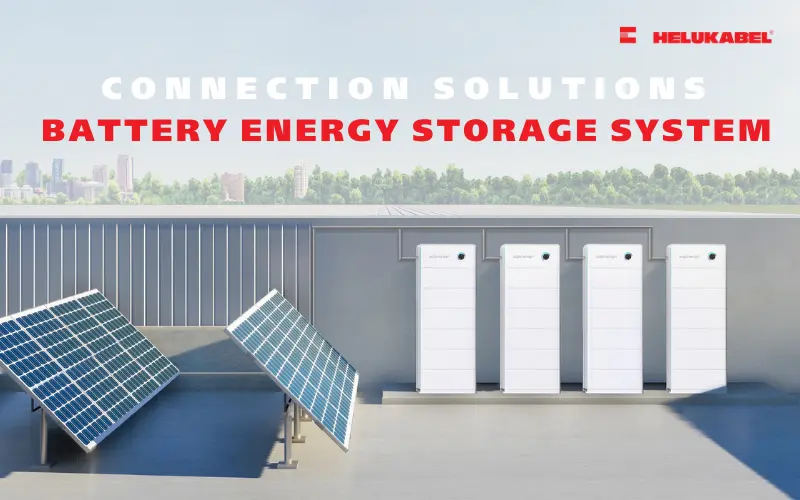
Explore BESS systems and electrical connectivity technology for energy storage systems
2. How a solar inverter works
The role of a solar inverter begins the moment sunlight hits the panel surface and ends only when the electricity is ready to power your appliances or feed into the national grid. This process is continuous and nearly instantaneous, but behind it lies a complex technical sequence.
2.1 Solar panels absorb sunlight and generate DC electricity
Photovoltaic cells absorb light and produce direct current (DC). At this stage, the DC voltage fluctuates depending on irradiance levels and panel surface temperature. This electricity cannot yet be used directly by household appliances.
2.2 DC electricity enters the inverter and is optimized via MPPT
This is where the solar inverter takes over. The Maximum Power Point Tracking (MPPT) controller inside the inverter continuously scans and adjusts the operating voltage of the panel string, ensuring the system always harvests the maximum amount of electricity — whether the sky is clear, partially cloudy, or affected by shading on some panels.
2.3 DC is converted to AC
The inverter uses high-speed electronic switching circuits to rapidly reverse the direction of the current, producing a sine wave that replicates the alternating current (AC) used in standard residential and commercial electrical systems.
2.4 Voltage and frequency calibration
The raw AC output from the inverter bridge passes through an LC filter (inductor + capacitor) to remove high-order harmonics, producing a clean pure sine wave. Simultaneously, the inverter calibrates the output voltage to exactly 220V (single-phase) or 380V (three-phase) at 50Hz, in compliance with Vietnam's grid standards.
2.5 System monitoring and power distribution
Next-generation solar inverters include built-in smart monitoring modules that continuously track power output, detect faults (overvoltage, overcurrent, ground faults, insulation failures), log operational data in real time, and transmit it to a smartphone app or web platform via Wi-Fi or 4G. System owners can check generation figures, energy savings, and device status anytime, anywhere — without needing to visit the installation site.
The entire processing chain operates instantaneously and automatically, demonstrating that a solar inverter is far more than a simple current converter — it is the central hub for optimization, protection, and monitoring of the entire solar system.
3. Types of solar inverters
Not all solar inverters work the same way. How an inverter operates depends primarily on whether the system is connected to the public electricity grid or functions entirely on its own. Three main types are commonly available on the market:
3.1 Grid-tied inverters
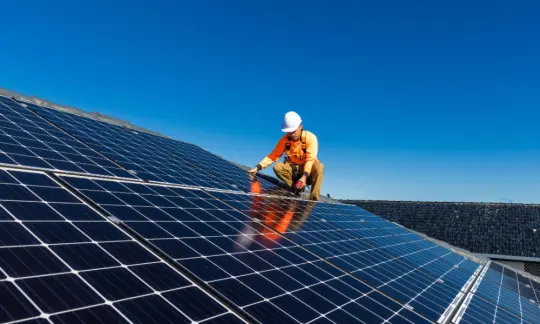
A grid-tied inverter — also referred to as a grid-tie or on-grid inverter — is the most common type used in rooftop solar installations. Beyond converting DC to AC, a grid-tied inverter must synchronize precisely with the utility grid to allow bidirectional energy flow: when the solar system generates more power than the household consumes, the excess is fed back to the grid. This is the underlying mechanism behind net metering policies.
Advantages:
- Lowest upfront cost (no battery storage required)
- Eligible for net metering credits
Limitations:
- The system shuts down during grid outages (due to mandatory anti-islanding protection)
- Subject to changes in utility solar policies
💡Discover how an on-grid solar system works - On-grid inverter and battery storage solutions
3.2 Off-grid inverters
An off-grid inverter operates entirely without a grid connection. Instead of synchronizing with the utility, it works in conjunction with a battery storage system to supply AC electricity on demand — including at night or during extended cloudy periods. Off-grid inverters typically integrate a built-in charge controller and manage whether to draw power from batteries or directly from the solar panels based on real-time energy conditions.
Advantages:
- Complete energy independence — no reliance on the grid
- Unaffected by electricity price fluctuations or power outages
Limitations:
- Higher upfront cost due to the requirement for large-capacity battery storage
- System performance depends on battery capacity — extended overcast weather or unexpected consumption spikes can deplete stored energy
3.3 Hybrid inverters
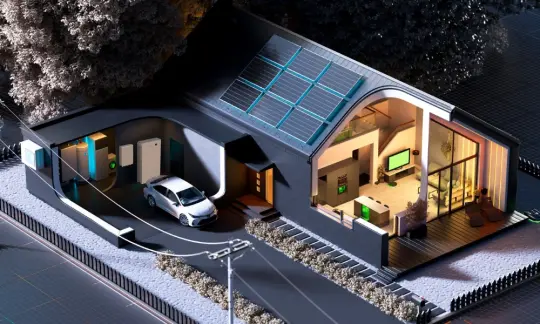
A hybrid inverter combines the capabilities of both grid-tied and off-grid inverters: it can synchronize with the utility grid while simultaneously managing battery storage. When the grid is available, a hybrid inverter operates like a standard grid-tied unit — prioritizing solar consumption, charging batteries with any surplus, or exporting excess to the grid. When the grid fails, the system automatically switches to off-grid mode within milliseconds, using stored battery power to maintain critical loads.
This flexibility has made hybrid inverters increasingly popular — especially in areas prone to frequent power outages, or for homeowners who want backup power without giving up the benefits of grid connection.
Advantages:
- Flexible: automatically switches between grid-tied and off-grid modes
- Provides backup power during outages
- Battery storage can be added gradually — no need to invest in a full battery bank upfront
Limitations:
- Higher cost than a grid-tied-only system (due to battery storage and more advanced inverter)
- Longer return on investment compared to a purely grid-tied setup
💡To maximize the benefits of a hybrid system, pair your inverter with the right storage unit: Solar storage batteries — how to choose

4. Comparison of solar inverter types: grid-tied vs hybrid vs off-grid
| Criteria | Grid-tied inverter | Standalone inverter | Hybrid inverter |
| Grid connection | Required | No | Optional |
| Battery | No | Required | Optional |
| Operates during a power outage | No | Yes | Yes (if battery is included) |
| Costs | Lowest | High | Medium to high |
| Flexibility | Low | Medium | Highest |
| Use case | Homes and businesses in areas with stable grid | Remote locations, farms, telecom stations | Homes wanting backup power, areas with unstable grid |
The table above shows that each type of solar inverter has its own strengths. The question is not which is "best" overall, but which is the best fit for your specific situation. Consider these four factors:
- Grid reliability in your area: If your grid is stable and outages are rare, a grid-tied inverter is sufficient. If your area experiences frequent blackouts or voltage instability, a hybrid inverter provides backup without sacrificing grid-tied benefits. If there is no grid access at all (remote farms, islands, telecom towers), an off-grid inverter is the only option.
- Backup power needs: If your household has devices that cannot afford to lose power (medical equipment, security cameras, refrigerated medications), a system with battery storage is essential. A hybrid inverter allows you to designate priority loads that stay powered during outages while operating normally on the grid during the day.
- Budget: Grid-tied systems have the lowest cost and fastest payback period, thanks to their simple configuration and net metering benefits. Hybrid and off-grid systems cost more due to battery storage and more complex inverter features — but they reduce long-term grid dependence.
- Tiered electricity pricing: Vietnam's tiered residential electricity pricing means high-consumption households (tier 5–6) pay significantly more per kWh. With a hybrid inverter, you can charge batteries from solar during the day (free) and discharge them during peak evening hours — avoiding purchases at the highest price tiers.
5. How to choose the right solar inverter for your system?
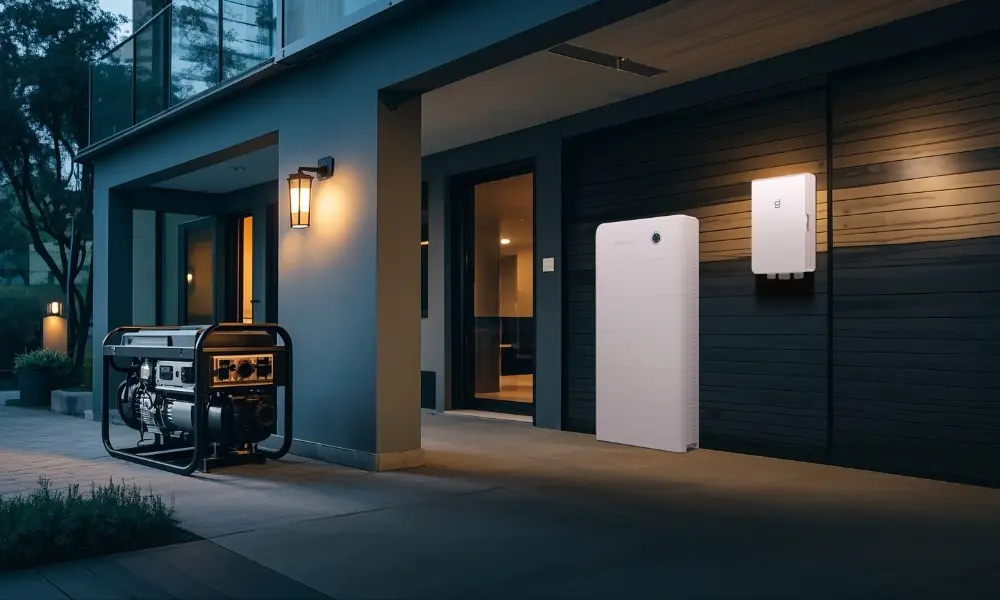
You need to select an inverter with a capacity that matches your solar panels and your electricity needs.
Selecting the right type of inverter (grid-tied, off-grid, or hybrid) is only the first step. To ensure your system operates efficiently and safely, you need to evaluate specific products against the following key criteria:
5.1 Selecting the right inverter capacity
The rated capacity of a solar inverter should match your total panel array — typically at a DC-to-AC ratio between 1.1 and 1.3. For example, a 6.6 kWp panel array would pair well with a 5–6 kW inverter. This ratio optimizes cost while minimizing power clipping during peak irradiance hours.
In addition to continuous power rating, pay attention to surge (peak) power capacity — especially important for systems powering loads with high startup currents. Air conditioners, refrigerators, and water pumps typically draw 2–3 times their rated wattage during the first few seconds of startup. If the inverter cannot handle this surge, the system will trip its protective shutdown.
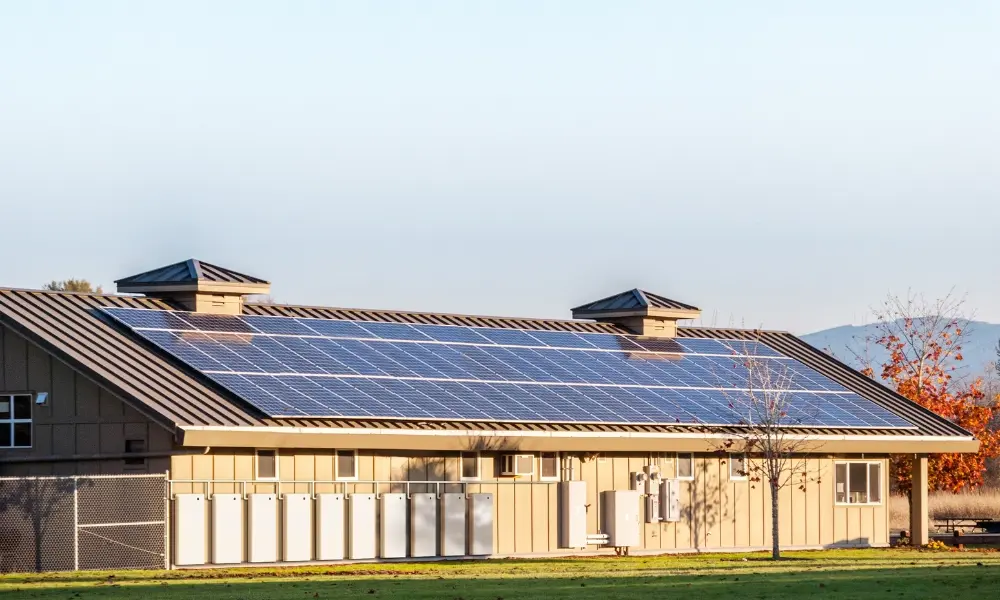
Battery storage solutions for the C&I sector
5.2 Battery compatibility (If applicable)
For hybrid or off-grid systems, the inverter must be compatible with your chosen battery in terms of voltage and chemistry. You need to verify whether the inverter supports the communication protocol of your battery's BMS (Battery Management System) - incompatible BMS integration will cause improper charging and discharging, significantly shortening battery lifespan.
5.3 Safety certifications and protection features
Technical standards — not marketing claims — are what determine whether a solar inverter is truly safe and eligible for installation.
| Certification | Description | Requirements |
| IEC 62109-1/2 | Electrical safety for power converters in PV systems — covers insulation, thermal resistance, and mechanical durability | Mandatory |
| IEC 62116 | Anti-islanding testing — inverter must disconnect within ≤2 seconds when the grid loses power | Mandatory (grid-tied) |
| CE / TÜV | European safety certification | Project-dependent |
| UL 1741 | U.S. standard | Project-dependent |
| IEEE 1547 | Provides essential guidelines for safely interconnecting inverter-based resources (IBRs) with the electrical power system | Recommended |
Protection features to verify before purchasing:
| Protection features | Purpose |
| Overvoltage / Undervoltage (OVP/UVP) | Shuts down the system when grid voltage exceeds safe limits, protecting internal components and connected loads |
| Short-circuit | Cuts power immediately during a short circuit, preventing catastrophic damage and fire |
| Surge / lightning protection (SPD) | Essential for outdoor installations — protects the inverter from lightning-induced surges via DC and AC wiring |
| Anti-islanding | Mandatory for grid-tied systems — automatically disconnects when the grid loses power to protect utility workers |
| Over-temperature protection (OTP) | Reduces output or shuts down when internal temperature exceeds thresholds, extending component lifespan |
| Residual current monitoring (RCMU) | Detects DC ground fault leakage — prevents electrocution risk for operators and maintenance personnel |
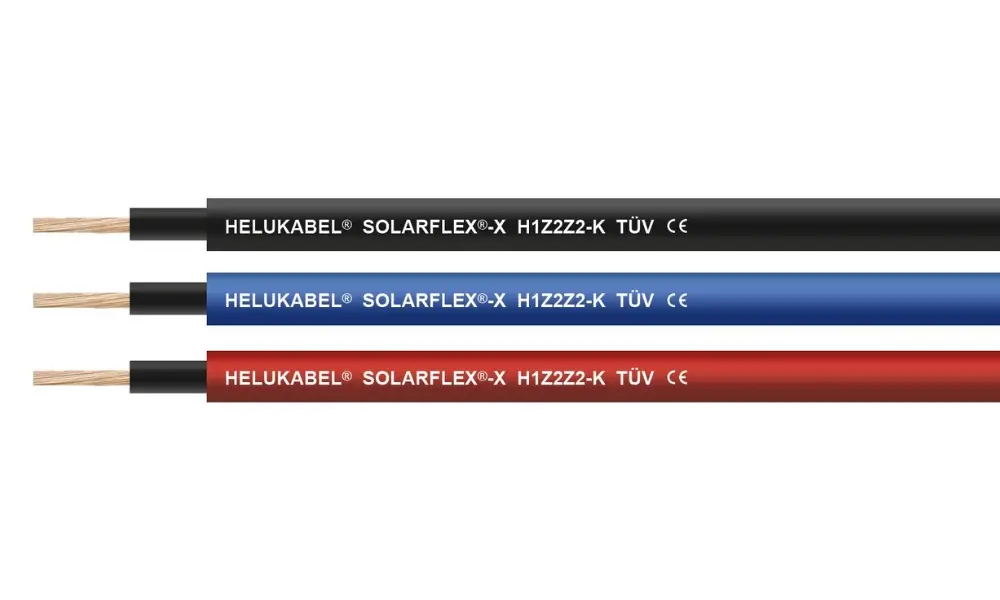
SOLARFLEX® H1Z2Z2-K DC Cable
5.4 Cable quality — An often-overlooked factor
Even the best inverter cannot perform at its full potential if the system wiring is substandard. DC cables connecting the panels to the solar inverter must withstand UV exposure, elevated temperatures up to 70–80°C on rooftops (particularly in countries with intense and prolonged heat such as Vietnam). Cables that fail to meet quality standards not only cause energy losses but also pose serious fire risks due to overheating at connection points.
When selecting DC solar cables, look for these core technical standards: the cable should comply with EN 50618 (the European standard specifically for photovoltaic system cables), offer UV resistance, and support an operating temperature of at least 90°C.
The SOLARFLEX® H1Z2Z2-K cable from HELU is one option that meets all of the above criteria: EN 50618 and TÜV certified, rated for operating temperatures up to 120°C, with a design lifespan exceeding 25 years — matching the expected service life of a solar system.
6. HELU Vietnam's solar product range: Inverters and connectivity solutions
A solar inverter is the heart of the system, but it cannot operate in isolation. Real-world efficiency and safety depend heavily on the quality of the entire connectivity chain — from cables and connectors to battery storage. Sourcing components from multiple suppliers can sometimes make it difficult to ensure consistent quality across the system. HELU Vietnam currently offers a comprehensive range of connectivity products for solar systems, including:
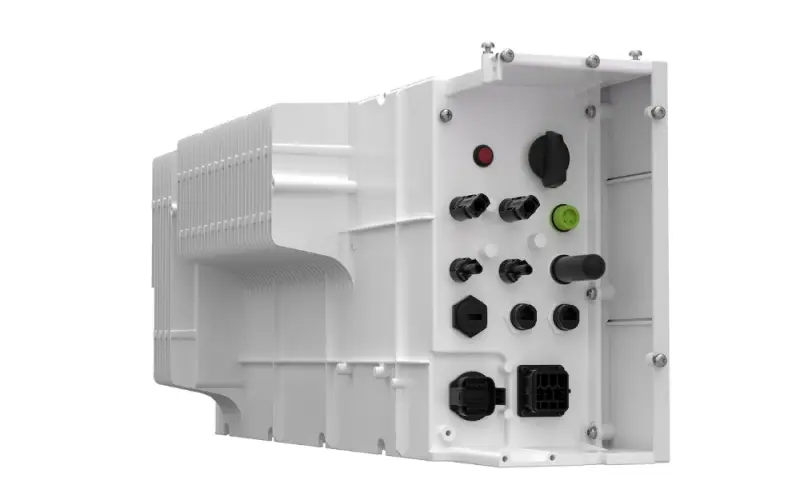
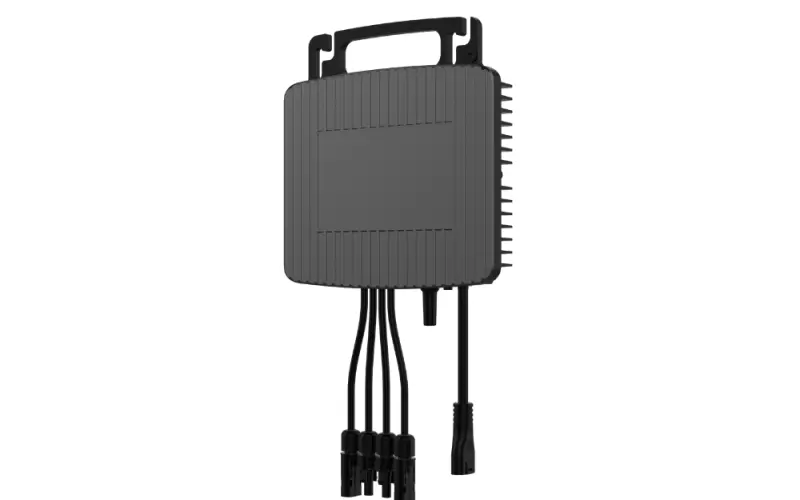
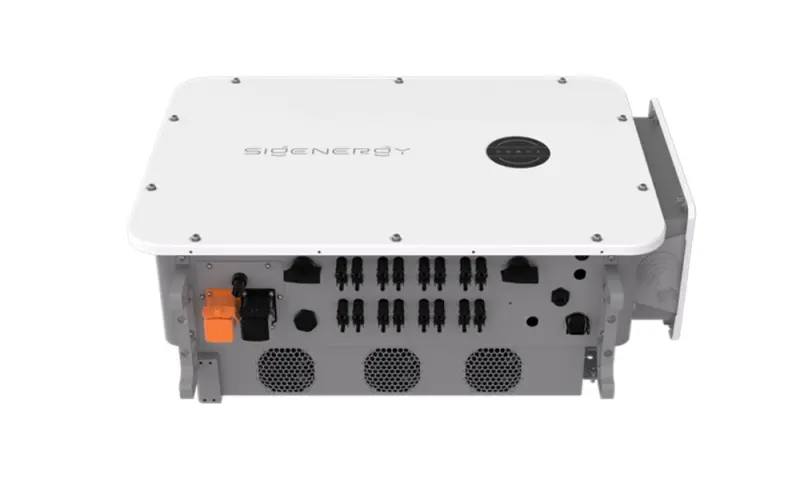
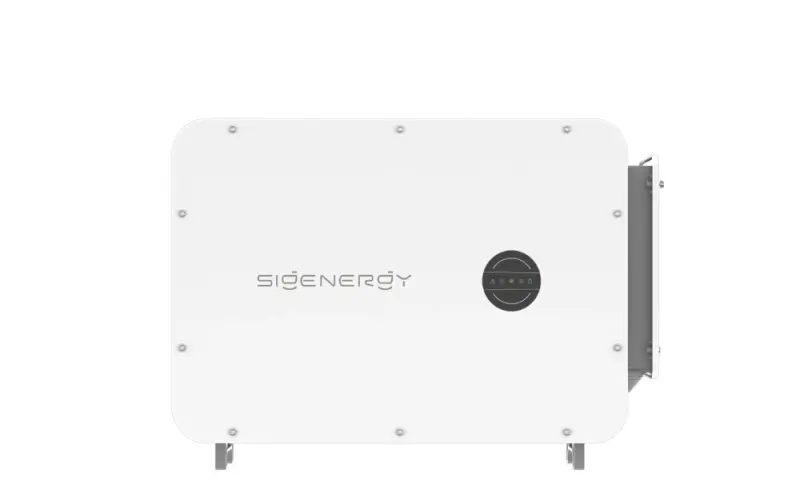
6.1 Inverters for residential and commercial and industrial systems
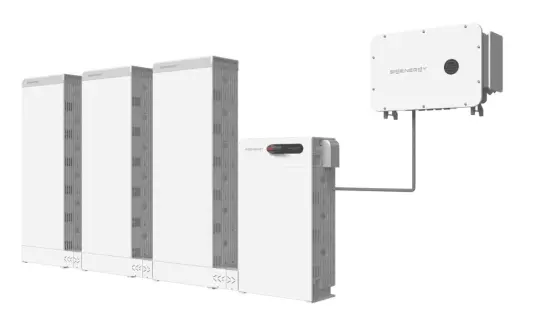
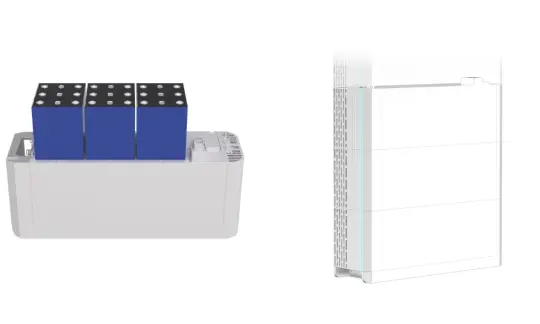
6.2 Battery storage systems
6.3 DC cables and AC cables
HELU offers a wide range of DC cables designed to meet various installation requirements and international standards. Explore our DC cable catalog.
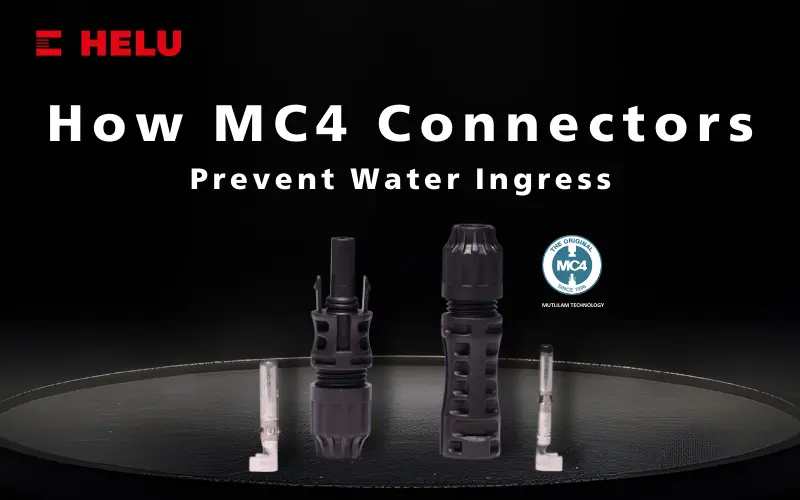
6.4 MC4 connectors and accessories
These are essential components of a solar power system. Discover the features of each type and explore our product catalog:
- MC4 connector
- Corrugated conduits
- Cable lugs
- Cable harnessing solutions for the solar industry
If you still have questions, don’t hesitate to contact the HELU Vietnam engineering team for detailed answers.
HELU Vietnam Contact Information
| HELU Vietnam 905 Nguyen Kiem Street, Hanh Thong Ward, Ho Chi Minh City, 700000, Vietnam | Phone:
+84 28 77755578 Email: info@helukabel.com.vn | Connect with us on |
| Order through our online channels: Tiki | Shopee | Lazada | Product Finder | ||