Cable gland IP rating guide: IP65, IP66, IP67, IP68 & IP69K
In addition to securing cables at connection points, cable glands also help prevent dust, moisture, and water from entering electrical equipment. To suit different installation environments, manufacturers offer cable glands with various protection ratings. So, what do the IP65, IP66, IP67, IP68, and IP69K ratings actually mean? How do they differ, and which is the right choice for each system?
Table of contents
1. What is the IP protection rating of a cable gland?
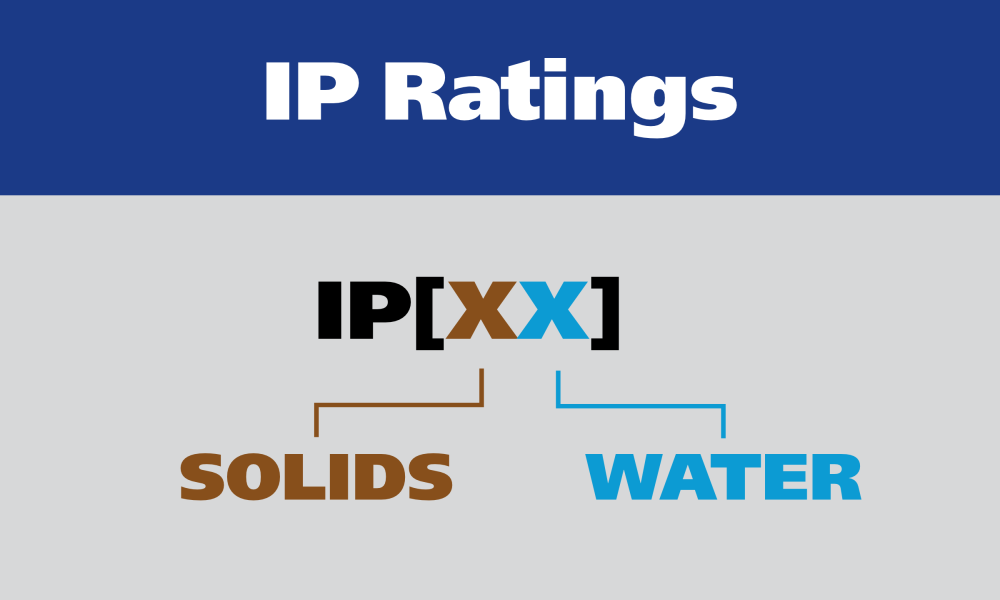
IP (Ingress Protection) is a classification system that indicates the degree of protection provided by electrical equipment enclosures against the ingress of solid objects and liquids, as specified in the IEC 60529 standard. For cable glands , the IP rating indicates their ability to prevent dust and water from passing through the gaps at cable entry points into electrical cabinets, junction boxes, or machine housings.
A standard IP code consists of two digits following the letters "IP":
- First digit: Indicates the level of protection against solid objects and dust.
- Second digit: Indicates the level of protection against water ingress.
For example, a cable gland with an IP68 rating means that it is completely dust-tight and can withstand continuous immersion in water under the specific test conditions specified by the manufacturer.
2. Why does the IP protection rating of a cable gland matter?
Even an electrical cabinet or equipment with a tightly sealed enclosure can still be exposed to water or dust if the cable entry points are not properly sealed. When the correct IP rating is selected and the cable gland is properly tightened, it seals this connection point and protects the internal electrical circuits from external elements.
This is particularly important for outdoor equipment such as street lights and LED floodlights, as well as machinery, control panels, and junction boxes operating in factories with high levels of dust, humidity, or frequent exposure to water.
If a cable gland with an IP rating lower than the actual operating requirements is selected, moisture and fine dust can gradually enter the enclosure, causing electrical components to short-circuit or burn out and reducing equipment service life. Conversely, choosing an IP rating that is unnecessarily high for the actual requirements can lead to unnecessary investment costs.
3. Details on the meanings of the digits in the IP protection ratings
To understand the technical specifications of different cable gland ranges, you need to know the meaning of each digit in the IP code according to the IEC 60529 standard.
3.1. First digit – Protection against solid objects and dust
The first digit ranges from 0 to 6. The higher the value, the greater the level of protection against foreign objects and fine dust.
| Protection rating | Level of protection |
| 0 | No protection |
| 1 | Prevents the ingress of solid objects with a diameter of 50 mm or greater |
| 2 | Prevents the ingress of solid objects with a diameter of 12.5 mm or greater |
| 3 | Prevents the ingress of solid objects with a diameter of 2.5 mm or greater |
| 4 | Prevents the ingress of solid objects with a diameter of 1 mm or greater |
| 5 | Dust-protected: dust may enter, but not in quantities that interfere with equipment operation |
| 6 | Completely dust-tight, preventing dust ingress |
3.2. Second digit – Protection against water
The second digit ranges from 0 to 9, classifying protection from light dripping water to high-pressure water jets or immersion in water.
| Protection rating | Level of protection |
| 0 | No protection |
| 1 | Protection against vertically falling water drops |
| 2 | Protection against vertically falling water drops when the equipment is tilted up to 15° |
| 3 | Protection against water sprayed at an angle of up to 60° from the vertical |
| 4 | Protection against water splashes from any direction |
| 5 | Protection against water jets from any direction |
| 6 | Protection against powerful water jets from any direction |
| 7 | Protection against the effects of temporary immersion in water under specified test conditions |
| 8 | Protection against the effects of continuous immersion in water under conditions specified by the manufacturer |
| 9 | Protection against high-pressure, high-temperature water jets |
Note: The digit 9 in the IP system (according to IEC 60529) evaluates resistance to high-pressure, high-temperature water jets. This is completely different from the static immersion tests used for ratings 7 and 8.
4. Distinguishing common IP protection ratings for cable glands
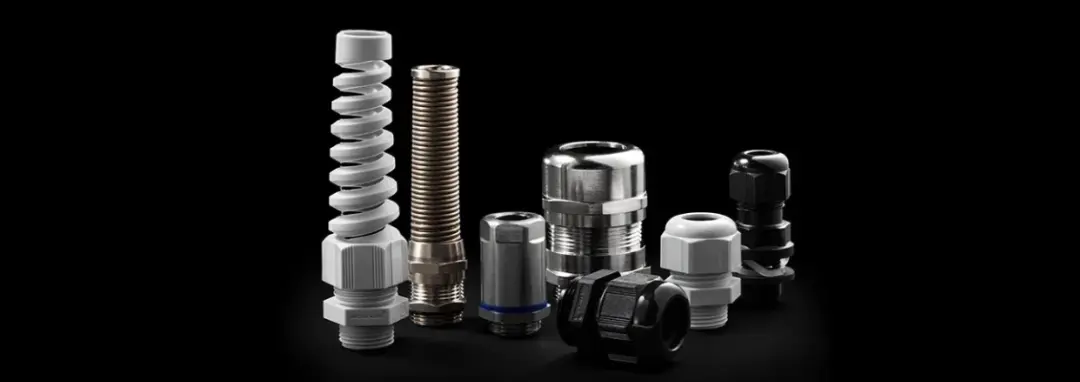
In industrial environments, the four most commonly used protection ratings are IP65, IP66, IP67, and IP68. All four provide complete dust protection (the first digit is 6), while the difference lies in their level of water protection.
| IP rating | Dust protection | Water protection | Typical applications |
| IP65 | Completely dust-tight | Protection against water jets from any direction | Electrical cabinets and outdoor equipment exposed to rain and water splashes |
| IP66 | Completely dust-tight | Protection against powerful water jets from any direction | Industrial machinery and areas frequently cleaned with water hoses |
| IP67 | Completely dust-tight | Protection against temporary immersion in water under specified test conditions | Equipment at risk of short-term flooding |
| IP68 | Completely dust-tight | Protection against continuous immersion in water under specified conditions | Equipment installed in environments requiring protection during immersion |
4.1. IP65 cable glands
IP65 cable glands completely prevent dust ingress and can withstand water jets from any direction. This level of protection is sufficient for most indoor and outdoor electrical cabinets where equipment is exposed only to dust, rainwater, or ordinary water splashes, without being submerged.
4.2. IP66 cable glands
Compared with IP65, the IP66 rating can withstand water jets at higher pressure. These cable glands are commonly installed on industrial machinery, outdoor control panels, or production lines that require frequent cleaning with high-pressure water hoses. However, IP66 is not designed for immersion in water. If the installation area is at risk of water accumulation or flooding, you must switch to IP67 or IP68 cable glands.
4.3. IP67 cable glands
The IP67 rating provides complete dust protection and withstands temporary immersion in water. In the IPX7 test according to IEC 60529, the test sample is immersed at a depth of 1 m for 30 minutes without water entering the enclosure. Therefore, this type of cable gland is a safe choice for outdoor junction boxes, technical manholes, or low-lying areas that are prone to temporary flooding during heavy rain.
4.4. IP68 cable glands
IP68 cable glands provide complete dust protection and maintain their sealing performance even during continuous immersion in water. Unlike the fixed test conditions of IP67, the immersion depth and duration limits for IP68 are determined and published by each manufacturer based on actual test results. Therefore, when purchasing IP68 cable glands for underground or underwater installations, you need to carefully check the specified immersion depth, pressure, and maximum immersion duration for the particular product code.
4.5. IP69K cable glands
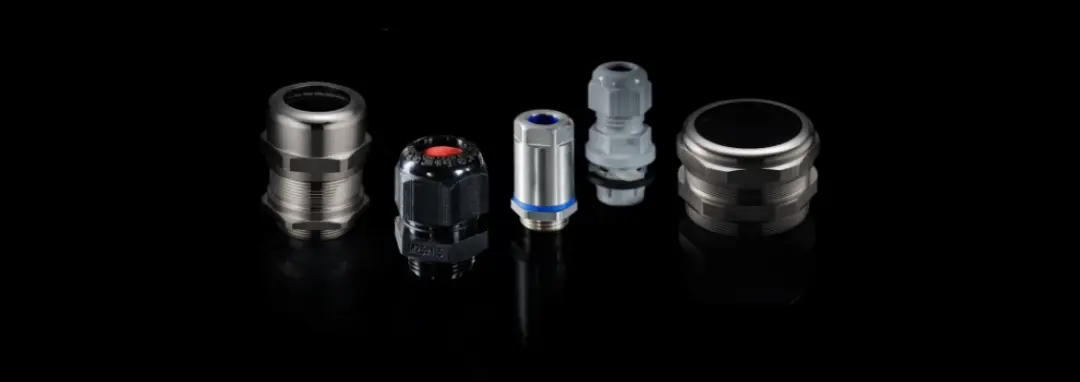
In addition to the four common ratings above, IP69K (according to ISO 20653) is designed specifically for harsh environments. This rating confirms complete dust protection and resistance to direct, high-pressure, high-temperature water jets applied at close range. IP69K cable glands are commonly used in food processing, pharmaceutical, and chemical plants, as well as automated washing lines that require frequent cleaning with hot, high-pressure water.
5. Are IP69K cable glands better than IP68?
It is not possible to conclude that IP69K is better than IP68 because these two ratings test resistance under completely different environmental conditions. IP68 measures sealing performance during static immersion in water over an extended period, while IP69K, according to ISO 20653, tests resistance to high-pressure, high-temperature water jets sprayed at close range.
Therefore, a cable gland with an IP68 rating may not necessarily pass the IP69K test, and vice versa. If your system is installed in a food processing plant, pharmaceutical facility, or car wash station where high-pressure hot water is frequently used, choose IP69K. However, if the equipment needs to remain submerged in water for an extended period, IP68 is the technically appropriate choice.
6. How to choose the right IP protection rating for cable glands?
Choosing a cable gland should not be about pursuing the highest possible IP rating. Instead, it should be based on the actual conditions at the installation location to optimize costs and operational efficiency. Below are four key factors to consider:
6.1. Levels of exposure to dust and water
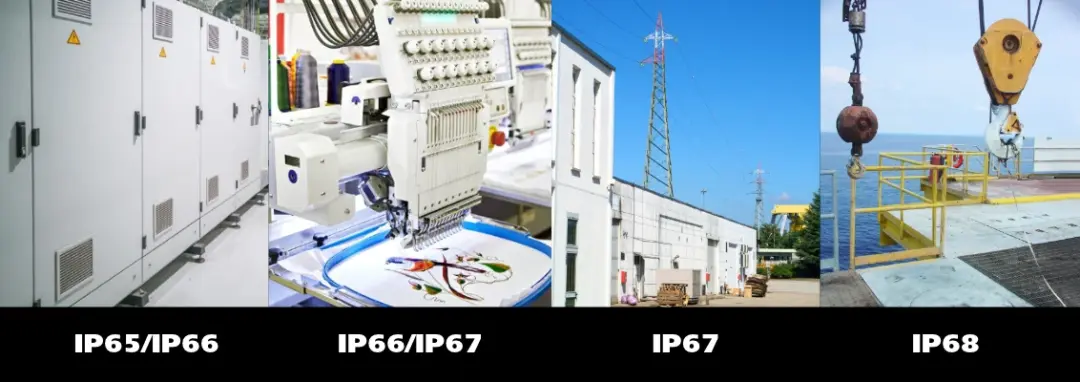
If an electrical cabinet is installed indoors in a dry environment, IP54 or IP55 may already provide sufficient protection. For outdoor locations directly exposed to rain and sunlight, IP65 or IP66 cable glands should be prioritized. If equipment is installed in areas prone to flooding or requires full immersion in water, choosing IP67 or IP68 is practically essential.
6.2. Specific requirements of the application industry
Each industry has its own specific requirements. For example, machinery and control panels in factories need protection against dust and water jets during cleaning, while solar power systems require continuous resistance to outdoor weather conditions. Meanwhile, marine and shipbuilding applications require a high level of water tightness over extended periods.
6.3. Materials and cable diameters
You need to accurately measure the outer diameter of the cable to select a cable gland with a corresponding clamping range, ensuring that the sealing gasket fits tightly around the cable sheath. In addition, depending on the level of corrosion exposure and mechanical strength requirements, you should determine whether to choose a gland body made of plastic, nickel-plated brass, or stainless steel.
6.4. Other technical requirements
The IP code only indicates protection against dust and water. It does not indicate resistance to UV radiation, oil, chemicals, or explosion hazards. If your project has any of these specific requirements, you need to check the material specifications and accompanying certificates separately.
Below are some examples of cable gland selection across different industries:
| Application | Reference IP rating and material |
| Electrical cabinets and outdoor cable systems in the solar energy industry | IP65/IP66, plastic or brass |
| Machinery and control panels in industrial automation | IP66/IP67, brass or stainless steel |
| Outdoor base stations and cable systems in telecommunications | IP67, plastic |
| Onboard cable systems and underwater sensors in the marine industry | IP68, stainless steel |
*The information in the table is for reference only.
7. HELU’s waterproof cable glands
We HELU offer a wide range of industrial cable glands with various material options and sealing gasket designs, meeting stringent requirements for dust protection, water protection, and secure cable retention. Below are some representative product ranges with IP68 protection ratings:
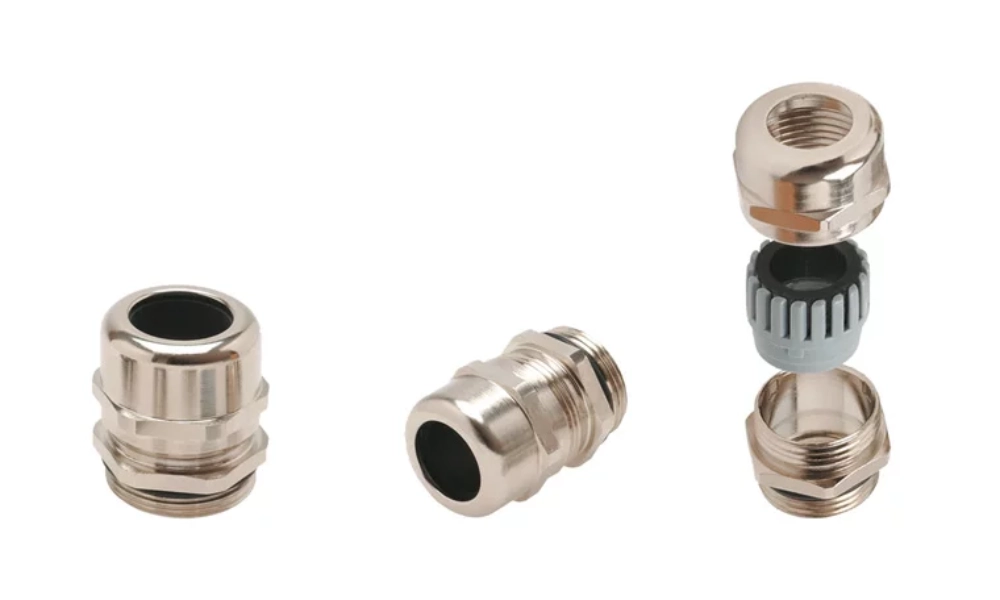
7.1. HELUTOP® HT-K cable glands
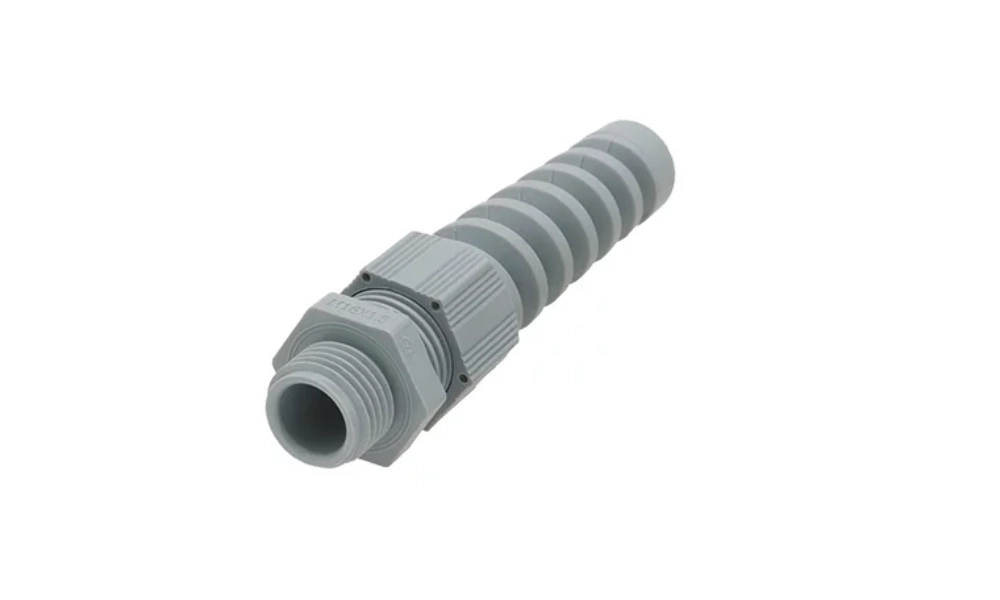
The HELUTOP® HT-K cable gland is made of Polyamide (PA 6) and equipped with a Chloroprene (CR) rubber sealing gasket. Its clamping lamella design tightly grips the cable sheath, effectively preventing dust and water ingress while reducing tensile forces directly acting on the connection point.
- Protection rating: IP68 – 5 bar / IP66.
- Temperature range: -20°C to +100°C; short-term from -30°C to +150°C.
- Applications: Industrial machinery, robots, automation systems, control panels, and installed equipment.
7.2. HELUTOP® HT-MS cable glands
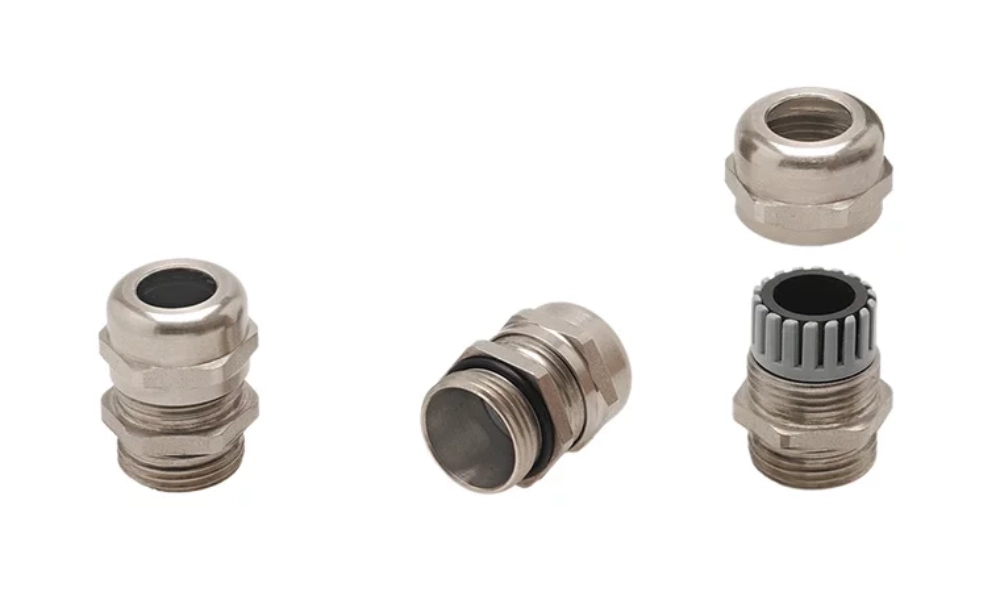
HELUTOP® HT-MS is a cable gland range featuring a nickel-plated brass body for corrosion resistance, combined with Polyamide clamping lamellae, a CR gasket, and an NBR O-ring. This construction securely retains cables and maintains reliable water tightness in environments subject to vibration.
- Protection rating: IP68 – 5 bar / IP66.
- Temperature range: -20°C to +100°C; short-term from -40°C to +150°C.
- Applications: Machinery, robots, automation systems, vehicles, shipbuilding, and control panels.
💡 See more: HELUTOP® HT-MS brass cable gland: Specifications and applications
7.3. HELUTOP® HT-E cable glands
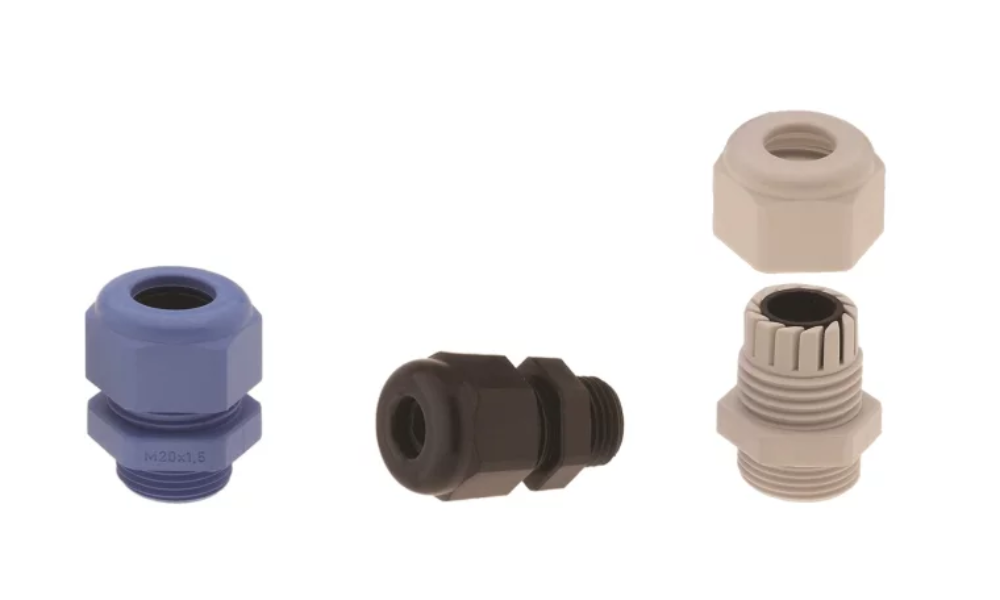
HELUTOP® HT-E is a cable gland range specifically designed for environments with high levels of corrosion. The product features a stainless steel 1.4305 (AISI 303) body, together with PA 6 clamping lamellae, a CR gasket, and an NBR O-ring.
- Protection rating: IP68 – 5 bar.
- Temperature range: -20°C to +100°C.
- Applications: Industrial machinery, robots, automation systems, shipbuilding, and control panels.
7.4. HSK cable glands
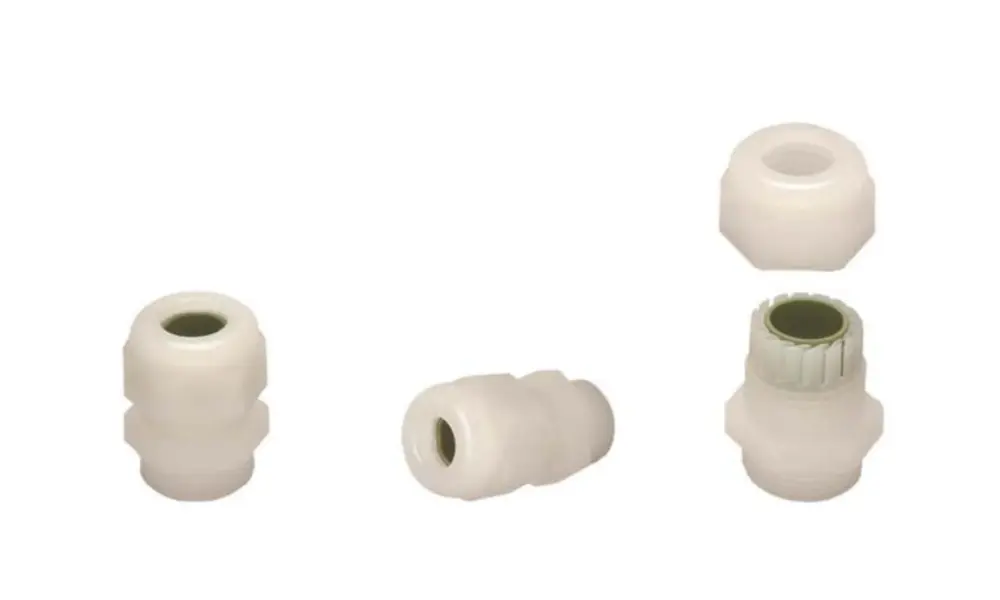
HSK cable gland is a Polyamide (PA) plastic cable gland range featuring an NBR gasket and a strain-relief clamping system. The product is free of halogens, phosphorus, silicone, and cadmium, making it well-suited to stringent sealing requirements for both indoor equipment and outdoor installations.
- Protection rating: IP68 – 10 bar / IP69K within the specific clamping range with additional o-ring.
- Temperature range: -40°C to +100°C.
- Applications: Machinery, robots, automation, shipbuilding, railway systems, and control panels.
7.5. HSK-PVDF cable glands
Made from PVDF (Polyvinylidene Fluoride), HSK-PVDF cable glands stand out for their resistance to high temperatures, strong chemicals, and prolonged UV exposure. The clamping lamella mechanism keeps cables securely in place and helps prevent cable slippage at connection points in harsh industrial environments.
- Protection rating: IP68 – 10 bar / IP69K within the specific clamping range with additional o-ring
- Temperature range: -35°C to +150°C.
- Applications: Chemical industry, high-temperature environments, and areas with prolonged exposure to UV radiation.
💡 Learn more: What are PG cable glands? PG7 to PG48 size chart and how to choose
EXPLORE MORE HERE
Contact HELU Vietnam today for consultation and a product quote
8. FAQs about cable gland IP protection ratings
Not exactly. The IP68 rating only ensures that a cable gland can withstand continuous immersion in water within the depth and duration limits specified by the manufacturer. It does not mean that the product is unconditionally waterproof at any depth or pressure. You need to check the specific immersion parameters in the datasheet of each product code.
Both ratings provide complete dust protection. The difference lies in the duration and water pressure they can withstand: IP67 only protects against temporary immersion, with testing at a depth of 1 m for 30 minutes, while IP68 allows continuous immersion in water according to the specific limits defined by each manufacturer.
Yes. With complete dust protection and resistance to powerful water jets, IP66 cable glands are suitable for most outdoor installations. However, if equipment is installed outdoors for many years, you should also select materials with appropriate UV and corrosion resistance.
Yes. Most IP68 cable gland ranges require internal sealing gaskets and O-rings at the mounting threads to prevent water leakage through gaps. During installation, technicians need to fit all supplied accessories according to the manufacturer's instructions to ensure the declared IP rating is achieved.
No. IP68 certifies resistance to continuous water immersion, while IP69K certifies resistance to high-pressure, high-temperature water jets sprayed at close range. These two standards are designed for different environmental conditions and cannot replace each other.