Waterproof RJ45 connectors: Structure, IP ratings & applications
Waterproof RJ45 connectors are designed to solve a familiar but challenging problem: protecting Ethernet connection points from rainwater, dust, and outdoor humidity. This helps maintain a stable network connection, even under the harshest conditions. Let’s take a closer look at the structure of waterproof RJ45 connectors, their IP ratings, and how to choose the most suitable type for your project.
1. What is a waterproof RJ45 connector?
A waterproof RJ45 cable connector is an Ethernet connector designed with a specialized sealing structure to protect the internal copper contact pins from water, dust, oil, and other external environmental factors.
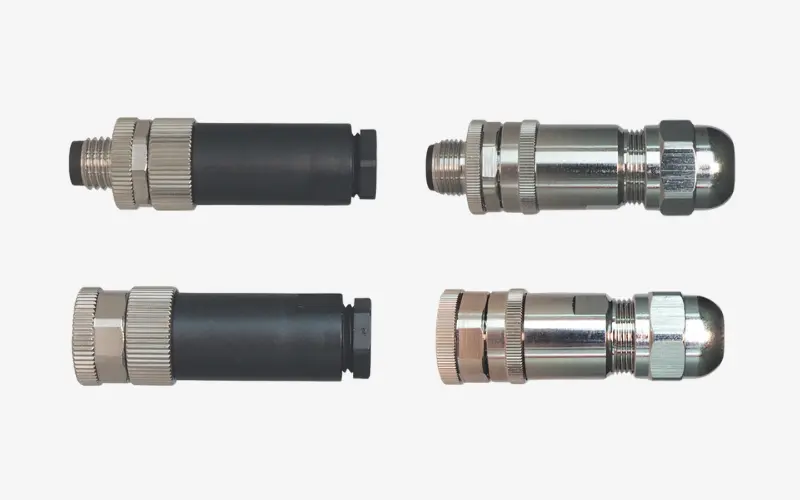
Unlike standard RJ45 connectors, which mainly feature plastic housings and are suitable for indoor environments, waterproof RJ45 connectors are equipped with additional protective components, such as die-cast metal housings or UV-resistant PA66 engineering plastic, silicone rubber gaskets, cable glands, and threaded or bayonet locking mechanisms. Thanks to this specialized design, waterproof RJ45 connectors are commonly used with Cat5e, Cat6, or Cat6A network cables to maintain stable connections and data transmission under harsh installation conditions.
2. Structure & working principle of waterproof RJ45 connectors
The superior performance of waterproof RJ45 connectors comes from the coordinated operation of several specialized components:
- O-rings and gaskets: Located at the contact points between the connector and equipment housing, they act as barriers to prevent moisture from leaking inside.
- Sealed housing: Fully encloses the internal contact core, preventing dust and corrosive environmental elements from entering.
- Locking mechanism: Uses threaded or bayonet locking designs to securely fasten the joints, preventing loose connections caused by vibration or strong cable pulling forces.
- EMI shielding: Commonly found in shielded connector models, helping suppress electromagnetic interference generated by surrounding industrial equipment.
In terms of its working principle, the internal copper contacts perform the primary function of transmitting Ethernet signals between the cable and the device. Meanwhile, the gasket system, protective housing, and locking mechanism form a protective barrier around the connection point, limiting the ingress of water and dust. In models with EMI shielding, the metal housing also helps shield the connection from electromagnetic interference in the surrounding environment.
Depending on the design, waterproof RJ45 connectors can be compatible with Cat5e, Cat6, or Cat6A cables, support data transmission speeds of up to 10 Gbps, and provide Power over Ethernet (PoE), including PoE++ with power output of up to 90 W for products that meet the corresponding standards.
Comparison of standard RJ45 & waterproof RJ45 connectors
For an overview of the differences between standard RJ45 and waterproof RJ45 connectors, refer to the following comparison table:
| Criteria | Standard RJ45 connectors | Waterproof RJ45 connectors |
| Protection | No specialized sealing structure | Equipped with gaskets and a protective housing; certain models achieve IP67 or IP68 ratings |
| Housing material | Mainly conventional plastic | PA66 engineering plastic, metal alloys, or stainless steel |
| Dust and water resistance | Limited, mainly suitable for dry environments | Restricts water and dust ingress when properly sealed |
| Locking mechanism | Usually uses a standard RJ45 locking tab | May feature additional threaded, bayonet, or specialized locking mechanisms |
| Vibration resistance | Suitable for environments with minimal vibration | Provides a more secure connection thanks to additional locking mechanisms |
| Operating conditions | Typically used indoors under stable temperature and humidity conditions | Available in versions designed for outdoor and industrial environments |
| Data transmission | Supports speeds of up to 10 Gbps, depending on the cable and connector specifications | Similar performance, depending on the cable category and product specifications |
| Applications | Computers, routers, switches, and office networks | Outdoor cameras, automation systems, marine applications, and industrial networking equipment |
4. IP ratings for waterproof RJ45 connectors
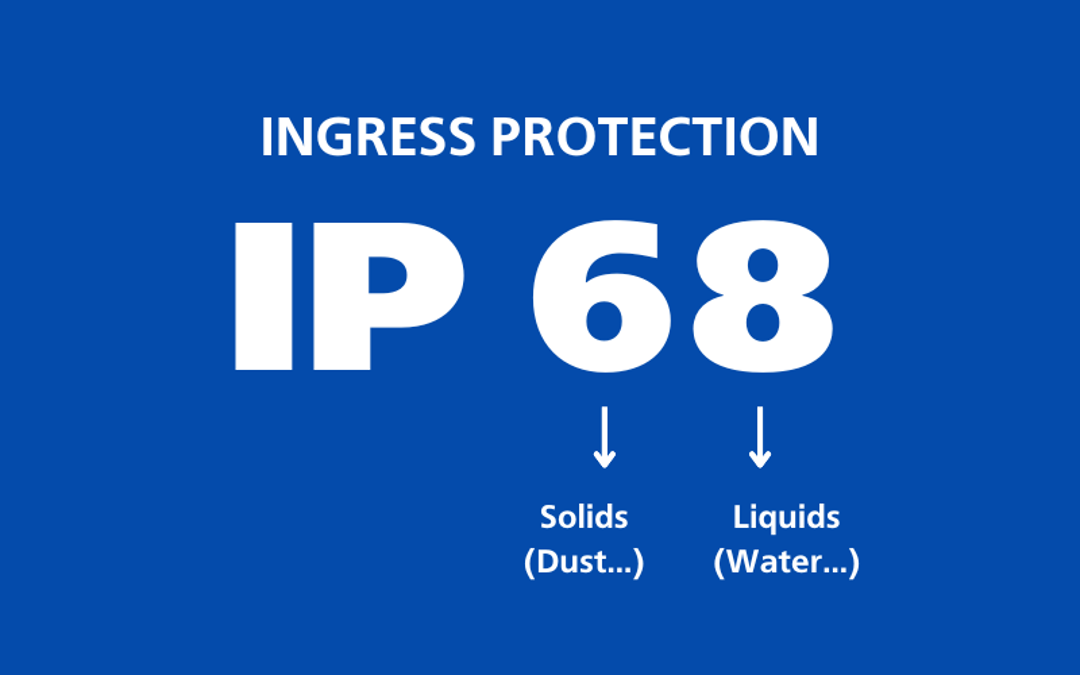
When it comes to the environmental protection capabilities of RJ45 connectors, the key factor is the IP (Ingress Protection) rating under the IEC 60529 standard. Waterproof RJ45 connectors commonly meet the following two ratings:
- IP67: Completely dust-tight and capable of withstanding temporary immersion in water at a maximum depth of 1 meter for up to 30 minutes. This is a widely used protection level for outdoor camera systems, rooftop signal transmission equipment, and areas frequently exposed to rainwater.
- IP68: A higher protection level that provides complete dust protection and withstands continuous immersion under pressure for extended periods. IP68-rated connectors can be used in marine equipment, underground tunnels, or manufacturing areas that undergo daily direct water washing.
Please note that the IP rating is only valid to its full extent when the RJ45 connector is properly assembled and locked according to the correct installation procedure. If you use a panel-mount socket, remember to check the protective cap when no cable is connected to prevent water from seeping into the system.
5. Types of waterproof RJ45 connectors
Depending on the connection point and actual equipment requirements, waterproof RJ45 connectors are available in the following common types:
| Connector type | Identifying features | Applications |
| Female connector (Female/Panel receptacle) | Socket-style design, mounted directly onto equipment housings or electrical cabinets | Industrial control cabinets, camera housings, peripheral devices |
| Male connector (Male/Cable plug) | Attached to the end of a network cable and plugged directly into a compatible socket | Cameras, sensors, signal transmission stations |
| Field-Installable connector | Allows technicians to terminate and assemble the connector directly at the installation site | Large factory networks, long outdoor cable routes |
| Waterproof coupler | Connects two sections of network cable while maintaining a sealed connection | Extending camera connections and wide-area Wi-Fi systems |
| Push-Pull connector | Uses an intelligent sliding mechanism for quick connection and disconnection without threaded locking | Industrial equipment requiring frequent maintenance and replacement |
6. Common applications of waterproof RJ45 connectors
Waterproof RJ45 connectors are used in various networking systems and industrial equipment, particularly in areas frequently exposed to water, dust, or high humidity.
- Factory automation systems: Provide stable connections for PLC boards, sensors, and surveillance cameras installed in humid environments or on production lines that undergo frequent cleaning.
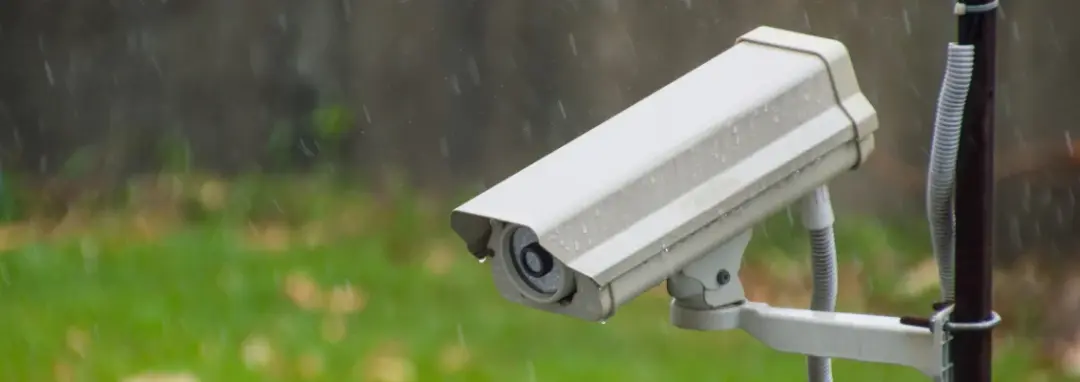
- Outdoor CCTV systems: Prevent rainwater from penetrating the cable core and causing oxidation of copper contacts, minimizing signal instability and video loss.
- Wi-Fi and satellite Internet systems: Protect transmitters and antennas exposed to rain and wind when installed on elevated poles or rooftops.
- Marine and offshore industries: Withstand exposure to sea salt spray, saltwater, and high corrosion risks in marine positioning and radar systems.
- Public infrastructure and advertising: Used for public Wi-Fi access points and outdoor LED signs at construction sites, stadiums, or railway stations.

7. Key criteria for choosing waterproof RJ45 connectors
In addition to the IP protection rating, you should also consider the following criteria when selecting a waterproof RJ45 connector:
Compatibility with network cable types
When choosing an RJ45 connector, you need to identify the cable category used in your system to ensure optimal bandwidth:
- Cat5e: Supports Gigabit Ethernet speeds (1 Gbps) with a bandwidth of 100 MHz, suitable for basic network systems and surveillance cameras.
- Cat6: Offers a bandwidth of 250 MHz, supports 1 Gbps, and can reach 10 Gbps over limited distances (typically up to 55m under suitable conditions).
- Cat6A: Offers a bandwidth of 500 MHz and supports 10 Gbps transmission speeds over distances of up to 100m, making it suitable for high-bandwidth network systems.
Cable locking mechanism
The locking mechanism of an RJ45 connector directly affects connection security, especially in locations frequently exposed to vibration or mechanical stress. Two common designs include:
- Threaded locking: Provides a tight, secure connection and excellent resistance to strong pulling forces, making it suitable for permanent installations.
- Bayonet locking: Allows quick and easy operation with a simple twist, making it suitable for equipment that requires frequent disconnection for maintenance.
Depending on the installation location and maintenance frequency, you can choose a suitable RJ45 locking mechanism to ensure both a secure seal and convenient operation.
Protective housing material
The housing material affects mechanical durability, corrosion resistance, and the connector’s ability to withstand its installation environment. Common materials used for RJ45 connector housings include:
- PA66 plastic: Lightweight and electrically insulating, often blended with UV-resistant additives. It is a popular choice for outdoor cameras and equipment.
- Die-cast zinc alloy: Robust and highly impact-resistant, while also providing effective shielding against electromagnetic interference in factory environments.
- Stainless steel (SUS304 / SUS316): Offers corrosion resistance and is particularly suitable for coastal and marine environments or areas frequently exposed to salt spray.
Electromagnetic interference (EMI) resistance
If your cable system runs through areas with numerous motors, inverters, or large power cables, make sure to choose an RJ45 connector with metal shielding. Combining shielded cables (STP/FTP) with an RJ45 connector that lacks EMI shielding can interrupt the protective shielding path, reducing the overall electromagnetic interference protection of the system.
8. Notes on installing & using waterproof RJ45 connectors
You can keep the following notes in mind when incorporating waterproof RJ45 connectors into your system:
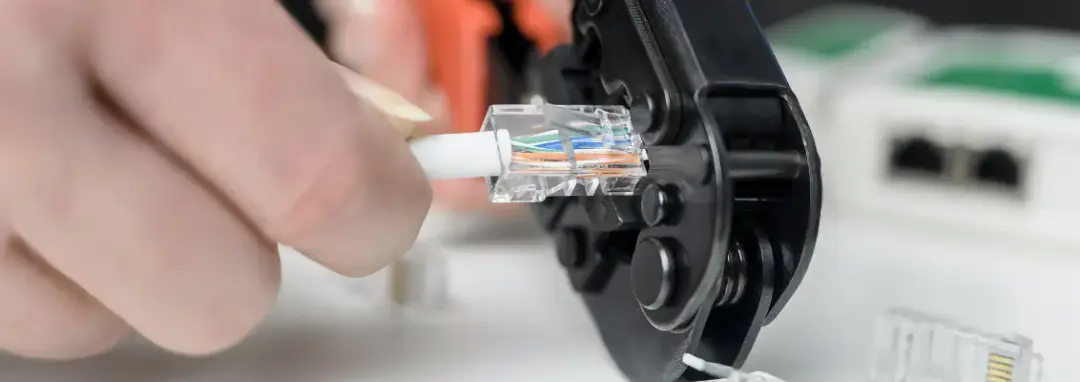
- Correct assembly sequence: Always remember to slide the sealing rings, gland nuts, and protective housing onto the cable before crimping the RJ45 plug.
- Wiring standard: Terminate the wires according to the T568A or T568B standard to prevent signal degradation.
- Proper tightening force: Tighten the joints just enough to compress the rubber gasket slightly around the cable. Excessive tightening may crack the plastic housing or deform the gasket, compromising its waterproofing performance.
- Thorough testing: Use a dedicated cable tester to check continuity immediately after installation.
- Proper cleaning: During maintenance, clean the contact pins only with suitable cleaning solutions. Avoid using hard objects that may scratch or wear away the gold plating.
💡 Useful for you: How to crimp an Ethernet LAN cable correctly: Color code & wiring
9. HELU’s RJ45 connector products
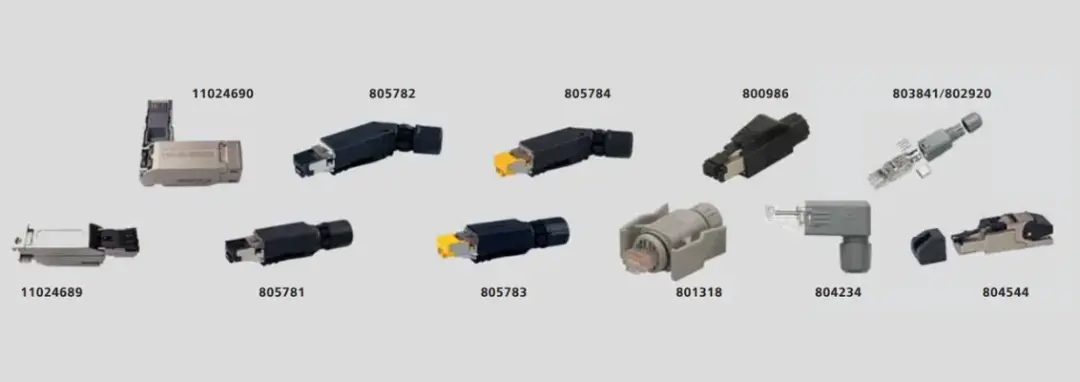
We HELU offer a wide range of RJ45 connectors with different designs and technical specifications to meet the connection requirements of network systems and industrial applications. Depending on installation requirements, you can choose straight, 90° angled, Push-Pull, or waterproof versions with an IP67 protection rating. This variety helps accommodate different connection conditions, from indoor environments to areas frequently exposed to dust and moisture.
LEARN MORE HERE
Contact HELU Vietnam today for consultation and a product quote
10. Frequently asked questions about waterproof RJ45 connectors
Absolutely not. Standard RJ45 connectors do not have gaskets or sealing mechanisms, allowing water to easily enter through gaps and damage the contact points. Specialized connectors must be used in wet environments.
Yes. These products are designed to protect Ethernet connections against rain, dust, and humidity. However, you need to select an appropriate IP rating, housing material, and UV resistance according to the installation conditions. You must also ensure that all components are properly sealed according to the manufacturer's instructions.
Yes, but with limitations. According to the IEC 60529 standard, an IP67-rated product can withstand immersion in water at a maximum depth of 1 meter for up to 30 minutes. If your project requires continuous underwater immersion or exposure to greater water pressure, choose an IP68-rated product.
No, as long as you choose the correct cable category (for example, a Cat6 cable paired with a Cat6 connector) and terminate the wires properly. The connector serves only as physical protection and does not interfere with transmission bandwidth.
Most of these connectors feature a user-friendly hand-tightening design and do not require complicated tools. However, you still need a standard network crimping tool and a cable tester to complete the internal connection.