What is short circuit and earth fault? Features of NSGAFÖU short-circuit-proof cable
Short circuits and earth faults are two electrical faults that can lead to fires, equipment damage, and serious risk to personnel working with industrial electrical systems. That's why short-circuit-proof cable is essential to limiting the severity of these incidents. This article explains what each fault is, and introduces NSGAFÖU 1.8/3 kV cable — a certified short-circuit and earth-fault-proof single-core rubber cable built for control cabinets, switchgear, buses, and railway vehicles.

Article content:
1. Short circuit vs. earth fault: What's the difference?
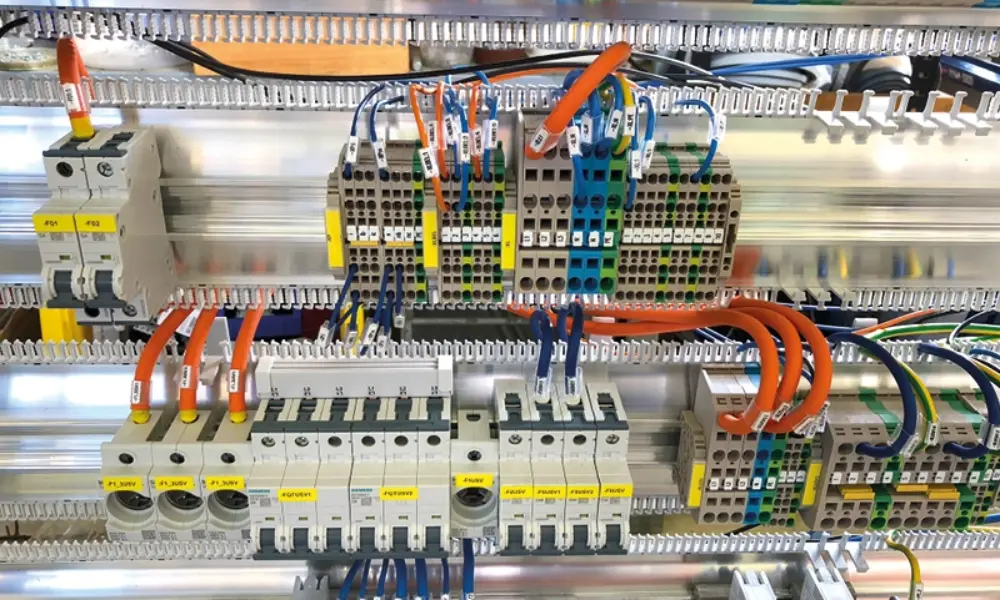
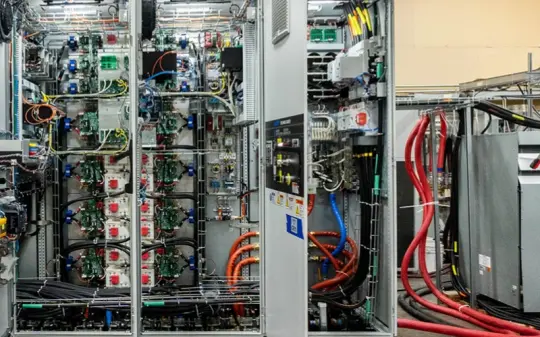
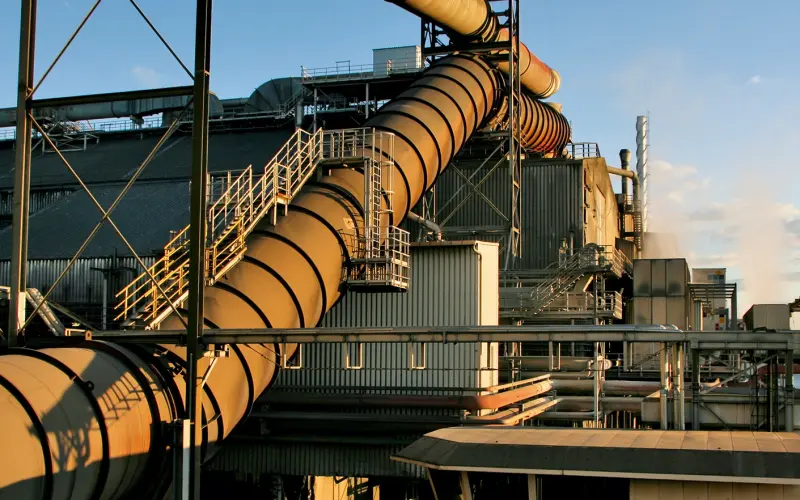
The confined installation space inside the control cabinet causes the wires to be prone to friction, vibration, and continuous mechanical stress
1.1 What is short circuit?
A short circuit occurs when an electric current takes a shortcut through a path with very low resistance instead of flowing through the normal load; this is usually caused by two live wires coming into direct contact with each other.
Because resistance drops suddenly, current spikes within a fraction of a second, generating intense heat that can melt insulation, ignite a fire, or destroy connected equipment. Common causes include aged insulation , loose connections, scratched wires, or insects or foreign objects entering the electrical panel.
1.2 What is earth fault?
An earth fault occurs when current strays from its intended path (the phase or neutral conductor) and makes contact with a metal enclosure, a grounded structure, or even a person. Unlike a short circuit (typically an instantaneous event producing very high current), an earth fault can occur quietly, with a small but sustained leakage current. Left undetected, it can still cause electric shock, damage sensitive electronic equipment, and even start a fire.
1.3 Key differences between the two
Short circuits and earth faults differ in several important ways:
- Cause: A short circuit happens when two conductors at different potentials (phase-to-phase or phase-to-neutral) touch directly. An earth fault happens when a live phase conductor contacts the earth or a grounded metal part.
- Fault current: A short circuit produces very high current because the fault path has extremely low impedance. An earth fault typically produces lower current (depending on the grounding system and contact resistance), but creates a dangerous touch voltage for anyone nearby.
- Hazard level: While short circuit mainly damages equipment such as overheating, arcing, fire; an earth fault mainly endangers people, creating a shock hazard when someone touches a faulty device.
- Protection and detection: Short circuits are protected by fuses, MCCBs, ACBs, and overcurrent relays, and detected with a multimeter. Earth faults are protected by ELCBs/RCDs/GFCIs (residual current devices), and detected with a GFCI tester.
2. What are short-circuit-proof cables?
Short-circuit-proof cables are purpose-built so that if a short circuit occurs, neighbouring cables and wiring aren't damaged. Their especially robust insulation helps prevent fire and stops nearby cables from melting.
This plays a huge role in control cabinet construction where cables are run before the main switch, meaning that, even when the systems are turned off, the cables are still carrying current. In these applications, short-circuit-proof cable isn't optional; it protects both the system itself and the people working on it.
3. Decoding HELU's NSGAFÖU 1.8/3 kV short-circuit-proof cable
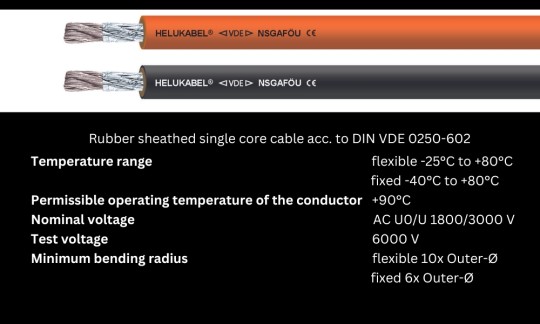
NSGAFÖU 1.8/3 kV is HELU's single-core rubber cable, manufactured to DIN VDE 0250-602 and certified to VDE and CE standards. It's short-circuit and earth-fault-proof for control cabinets and switchgear up to 1,000 V. It also resists oil and mechanical stress, making it well suited to demanding industrial environments.
3.1 Key benefits of the NSGAFÖU 1.8/3 kV cable
The NSGAFÖU single-core rubber cable combines several strengths that make it especially popular for control cabinet construction. It's also commonly found in buses and railway vehicles.
- Saving installation time thanks to a design built for fast assembly, no time-consuming shrinking or wrapping required
- Reducing stock items, since a single part number covers multiple applications
- Compact outer diameter and high flexibility make it easier to fit into cable organisers
- Resisting wrinkling during bending and installation, keeping its shape
- No risk to ferrules, no hot air guns needed, avoiding potential damage
- Better overall appearance in the finished cabinet, with clear black/orange colour coding by purpose
- Also oil-resistant, flame retardant, and capable of continuous, highly reliable operation in harsh conditions
3.2 What does NSGAFÖU mean?
The cable’s name isn’t just a random assortment of letters. The real characteristics and functions of the cable are hiding behind each letter.
- N = Standardized cable
- S = Specialty cable
- G = Rubber insulation
- A = Sheathed single-core cable
- F = Flexible conductor (class 5)
- Ö = Oil resistant
- U = Flame retardant per VDE 0482-332-1-2/IEC 60332-1-2
Together, these seven letters form a precise product designation.
3.3 Applications of the NSGAFÖU 1.8/3 kV cable
The NSGAFÖU 1.8/3 kV cable is suitable for:
- Railway vehicles (trains, trams) and buses
- Dry rooms in factories and industrial buildings
- Control cabinets and switchgear up to 1,000 V that require short-circuit and ground-fault protection
- Approved installation methods: in conduit, in enclosed cable trunking, for moving parts, for equipment wiring, and bundled with other cables
Important note: this cable must not be installed on open cable ladders or cable trays. This is a technical limit that must be observed when designing the system, to ensure safety and standards compliance.
3.4 Why is NSGAFÖU available in black and orange?
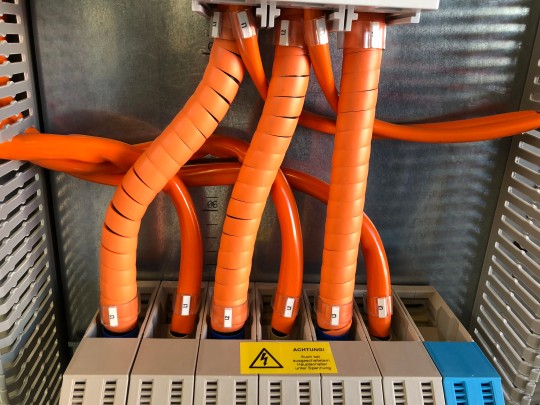
In control cabinet construction, there's one simple rule: cables run before the main switch — and therefore still carry current even when the system is switched off — must be clearly labelled. That's why these cables are typically coloured orange. Cables downstream of the main switch, by contrast, are usually black. This lets technicians and engineers identify each cable type at a glance.
To colour cables and wires orange, control cabinet builders often rely on shrink tubing or wraps. However, these take time to install, and ferrules can be damaged during the shrinking process. At HELU, we solve this by offering the NSGAFÖU cable pre-coloured in orange.
💡Learn about the meanings of wire colors and wire color conventions
3.5 NSGAFÖU 1.8/3 kV product items(Excerpt showing some common cross-sections)
NSGAFÖU 1.8/3 kV, black:
| Part no. | Number of conductors × cross-sectional area (mm²) | Outer Diameter (mm) | Mass (kg/km) |
| 38501 | 1 × 1.5 | 5.1 – 7.0 | 65.0 |
| 38502 | 1 × 2.5 | 5.6 – 7.5 | 80.0 |
| 38504 | 1 × 6 | 6.7 – 9.5 | 110.0 |
| 38507 | 1 × 25 | 11.1 – 15.0 | 360.0 |
| 38510 | 1 × 70 | May 15–20 | 820.0 |
| 38516 | 1 × 300 | 28.4 – 38.0 | 3180.0 |
NSGAFÖU 1.8/3 kV, orange:
| Part no. | Number of conductors × cross-sectional area (mm²) | Outer Diameter (mm) | Mass (kg/km) |
| 17001252 | 1 × 1.5 | 5.1 – 7.0 | 65.0 |
| 710665 | 1 × 2.5 | 5.6 – 7.5 | 80.0 |
| 710223 | 1 × 6 | 6.7 – 9.5 | 110.0 |
| 17000916 | 1 × 25 | 11.1 – 15.0 | 360.0 |
| 17000919 | 1 × 70 | May 15–20 | 820.0 |
| 17001253 | 1 × 300 | 28.4 – 38.0 | 3180.0 |
All 16 cross-sections ranging from 1.5 mm² to 300 mm² (in both colors) are listed in the technical datasheet—please contact HELU Vietnam for the complete list and a quote.
4. NSHXAFÖ 1.8/3 kV short-circuit-proof, halogen-free cable
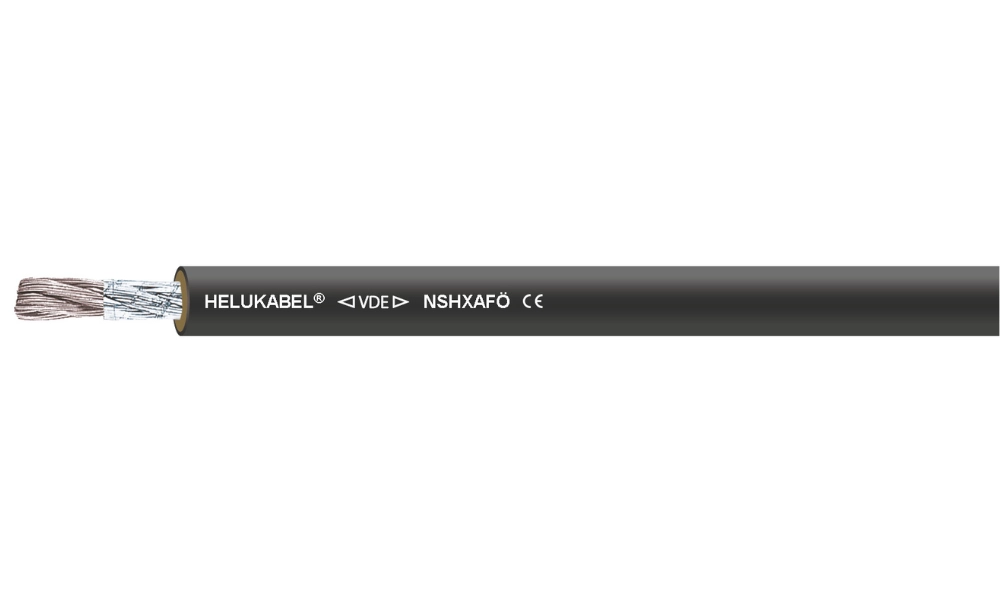
NSHXAFÖ 1.8/3 kV halogen-free short-circuit-proof cable
In addition to the NSGAFÖU 1.8/3 kV cable, HELU also offers the NSHXAFÖ 1.8/3 kV short-circuit-proof cable, which has many similar characteristics. The key advantages of the NSHXAFÖ 1.8/3 kV cable series are:
- Temperature range up to +90°C
- Halogen-free properties
- Compared to NSGAFÖU, this cable series undergoes additional testing for corrosion caused by combustion gases and smoke density testing.
5. Compatible accessories with the NSGAFÖU short-circuit-proof cable
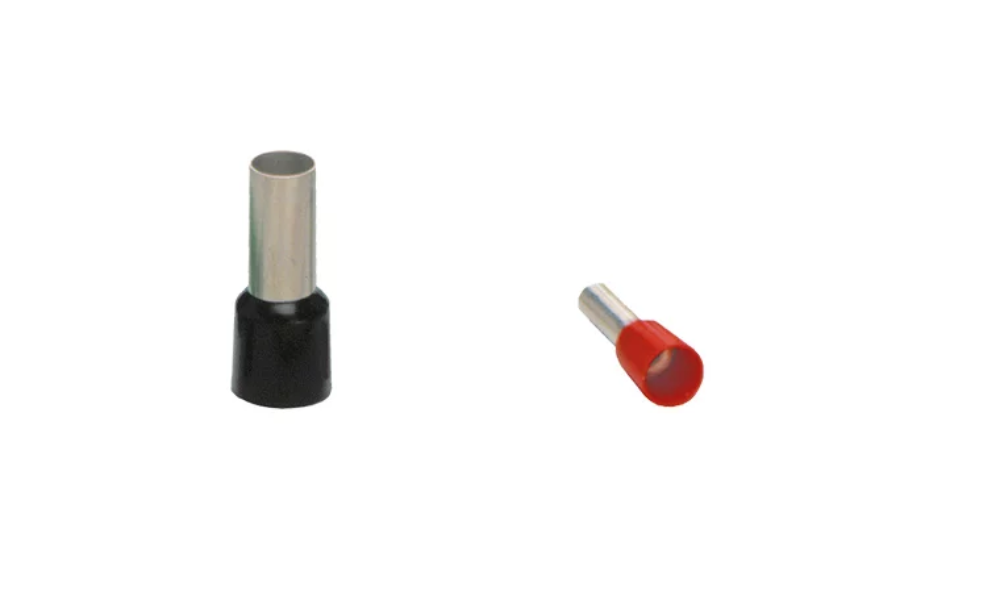
ADI-K ferrule
For NSGAFÖU short-circuit-resistant cable to provide its full protective effectiveness, the wire termination process is just as important as the cable itself. HELU recommends using ADI-K insulated cable lugs along with the HELUTOOL Crimpset 5-in-1 crimping pliers when terminating this type of cable.
5.1 ADI-K ferrules
The ADI-K ferrule is specifically designed to work with short-circuit-proof cables, keeping stripped wire ends from fraying during installation or when wires are later disconnected.
Features:
- Compatible with short-circuit-proof cables
- Prevents dismantled wires from fraying
- Funnel-shaped plastic collar makes it easier to slide onto the wires
- Colour-coded to DIN, ZF, and Telemecanique standards
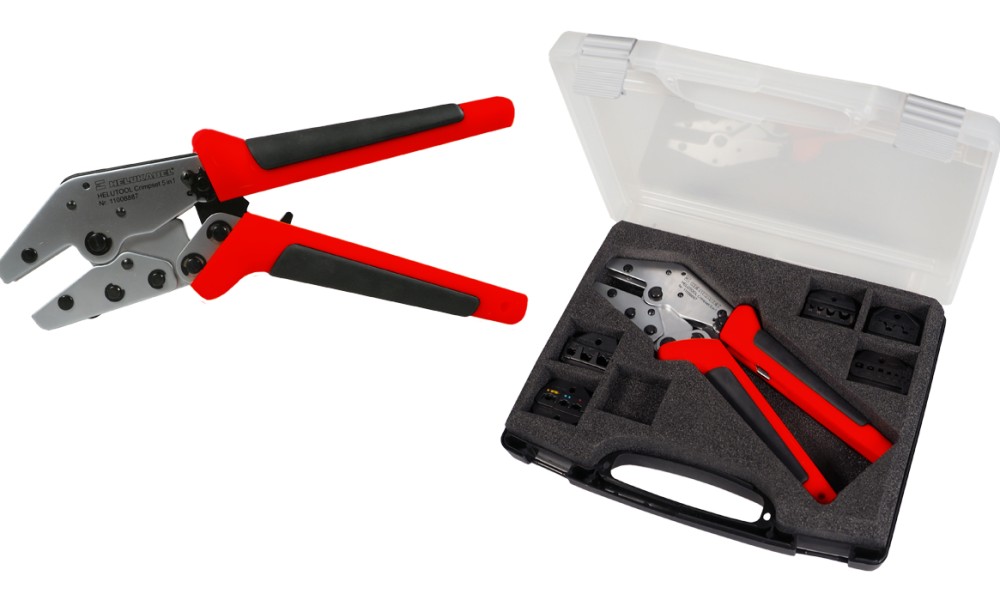
5.2 HELUTOOL Crimpset 5-in-1 crimping tool
Getting a solid electrical connection between ferrule and conductor requires the right tools for cutting, stripping, and crimping. Standard pliers can't apply even pressure around the wire, which often leads to a loose or unreliable connection.
The HELUTOOL Crimpset 5-in-1 is a versatile crimping tool that comes with 5 interchangeable inserts for both insulated and uninsulated connectors — a compact solution that saves technicians from carrying multiple dedicated crimping tools.
Understanding short circuits and earth fault is the first step in designing a safe electrical system. With certification for short-circuit and earth-fault resistance up to 1,000 V, as well as enhanced oil resistance and mechanical stress resistance, HELU’s NSGAFÖU 1.8/3 kV cable is a reliable choice for control panels, distribution panels, and rail vehicles.
Contact the HELU Vietnam technical team for consultation and a detailed quote for the NSGAFÖU 1.8/3 kV cable series.