What are solar accessories? Top essential accessories for photovoltaic systems
When people think of a solar power system, most picture only the solar panels and the inverter. In reality, dozens of smaller parts sit quietly between these two components — cables, connectors, junction boxes, mounting brackets, grounding accessories — and they are what determine whether the system runs safely and reliably over time. In electrical engineering, this group is called the Balance of System (BOS): all the supporting equipment besides the panels themselves, including wiring, connectors, mounting structures, and grounding. This article brings together the most common types of solar power accessories (also called solar accessories or solar electrical accessories) used today, the criteria for choosing accessories that meet proper standards, and why choosing genuine accessories matters far more than most people assume.

Article content:
-
1What are PV accessories? The role of solar accessories
-
2Classification of accessories for PV systems
-
3Accessory #1: DC cables
-
4Accessory #2: Low-voltage and medium-voltage power cables
-
5Accessory #3: Communication cables (RS485, Ethernet)
-
6Accessory #4: MC4 connectors
-
7Accessory #5: Cable conduits
-
8Accessory #6: Cable lugs
1. Overview of PV accessories
1.1 What are PV accessories?
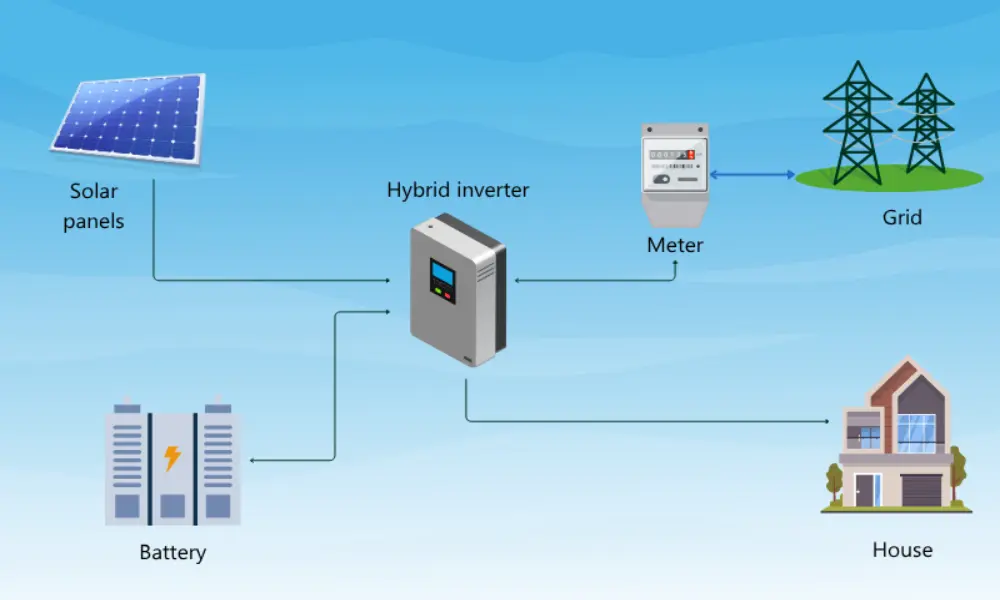
Solar PV accessories are the supporting devices and materials that connect, protect, and secure the main components (panels, inverter) into one complete system. These additional parts improve the overall performance of the system and help it run safely. In other words, if the panels and inverter are the "heart" that generates and converts electricity, accessories are the "blood vessels and skeleton" that keep the current flowing along the right path, to the right standard, and without danger.
💡What is a solar inverter? Learn about the different types of inverters
1.2 The role of PV accessories
If the panels and inverter are responsible for generating and converting electricity, accessories mainly affect how efficiently the system runs, specifically:
- Connection: accessories ensure every electrical component in the system — panels, cables, junction boxes, the inverter — is linked together securely and correctly.
- Structure: accessories keep the panels and other equipment fixed firmly in place, able to withstand wind load and vibration throughout the system's service life.
- Efficiency: choosing the right cable cross-section and quality connectors reduces power loss along the line — a factor that directly affects the system's real energy output, though it's often overlooked when comparing quotes.
- Long-term safety: accessories that meet proper standards help prevent problems that build up over time, such as corrosion at connection points or poor contact leading to overheating.
1.3 Classification of PV accessories
PV accessories can be grouped into the following categories:
- Mechanical accessories: responsible for structure and physical durability: mounting racks/aluminum frames, cable conduit, cable glands, specialized installation tools.
- Electrical connection accessories: responsible for conducting and transmitting current: DC cable, AC cable, MC4 connectors, cable lugs, junction boxes...
- Protection and monitoring accessories: protect the system from faults and track its operation: surge protection devices, communication cable for monitoring...
- Installation and maintenance support accessories: small parts that directly affect installation speed and future maintenance: UV-resistant cable ties, marking labels/heat-shrink tubing...
2. List of essential accessories for photovoltaic systems
2.1. DC cables – Components that carry current from the panels to the inverter
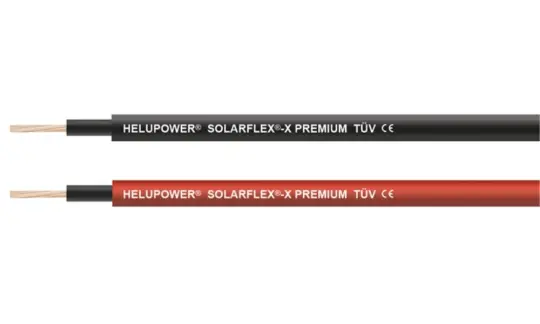
DC cable is a cable type built specifically to carry direct current (DC) from the solar panels to the inverter. Its role is to transmit the electricity generated by the panels to the inverter safely and reliably throughout the system's service life.
Unlike household electrical cable, solar DC cable is designed to withstand continuous UV exposure and outdoor temperature swings — something ordinary cable cannot handle. Several types of DC cable exist, each meeting different standards/approvals and suited to different environments. Common standards for DC cable include TÜV Rheinland 2 PfG 2750, IEC 62930, EN 50618, and UL 4703.
💡Explore our selection of DC cables for a variety of installation conditions
2.2 AC power cables – Components for transmitting electricity to the grid
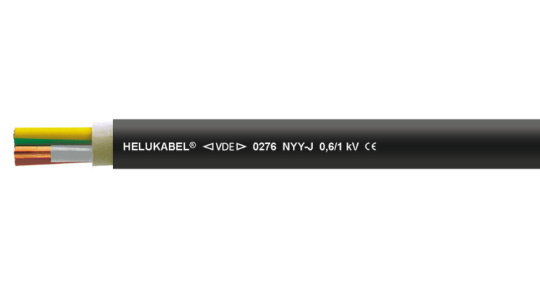
AC power cable sits on the "downstream" side of the system — running from the inverter's output (after DC has been converted to AC) to the distribution panel or the grid connection point. This cable type carries stable, safe power to the point of consumption or to the grid.
In practice, AC cable is used in two main connection scenarios. When a solar plant is located near the load center, or is itself a distributed generation source, the inverter's output current can be connected directly to the low-voltage grid through AC cable. When connecting to the medium- or high-voltage grid, the AC cable must first carry current through a transformer, which steps up the voltage to the appropriate level before connecting to the substation.
💡Discover the characteristics of AC and DC cables in solar systems
2.3 Communication cables – Accessories for Monitoring Devices
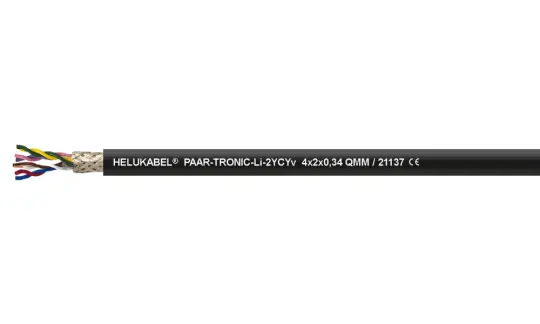
These are signal cables used to connect and monitor data between inverters, data loggers, or remote monitoring systems — they don't carry power, only operating information (voltage, current, output, fault alerts). This lets operators track the system's condition in real time and catch problems early, before they cause serious damage.
RS485 signal cables are the most commonly used type of cable. RS485’s effective noise immunity and stable performance over long distances make it well-suited for outdoor environments where many high-power electrical devices operate in close proximity to one another.
Ethernet network cable and fiber optic cable are also used to transmit data between systems.
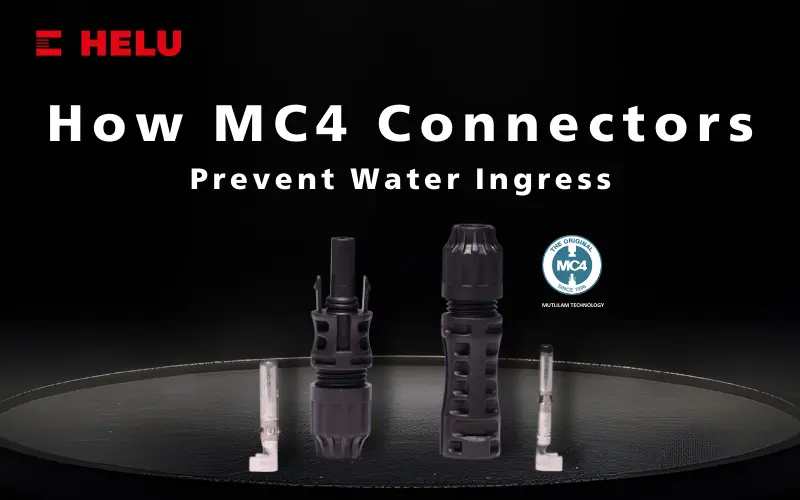
2.4 MC4 / MC4-Evo2 / MC4-Evo2A connectors—the most common solar power accessories
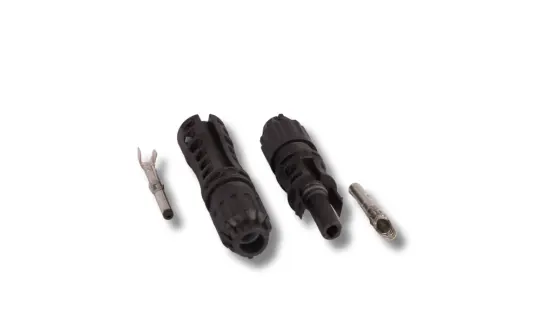
The MC4 connector is the most widely used connector in the world for solar power systems. This solar power accessory connects solar panels to each other and to DC cables quickly and securely.
MC4 was the first version of this connector, followed by MC4-Evo 2, and MC4-Evo 2A is the newest version, released by manufacturer Stäubli in late 2023. The MC4-Evo 2A is the most advanced version and is currently in stock at HELU Vietnam's warehouse. Notable features of this connector line include:
- Meets the IP68 standard
- Capable of stable operation at altitudes of up to 5,000 meters above sea level
- Ammonia resistance (TÜV Rheinland in accordance with 2 PfG 1911/03.2011)
- Meets Safety Class II standards
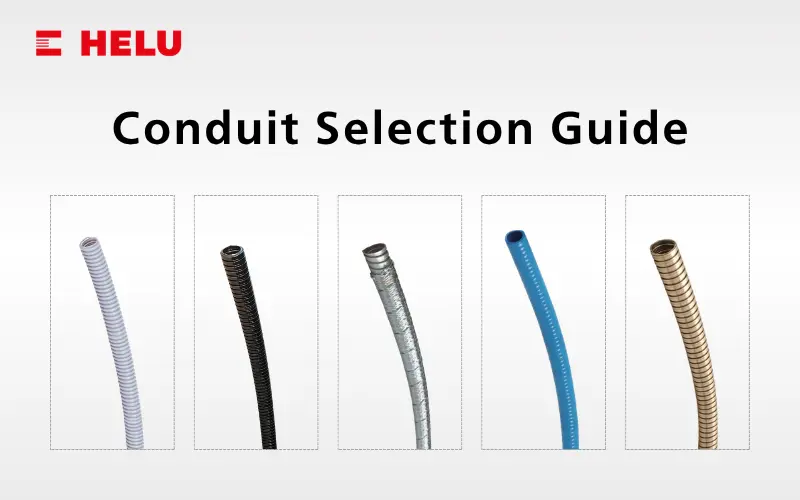
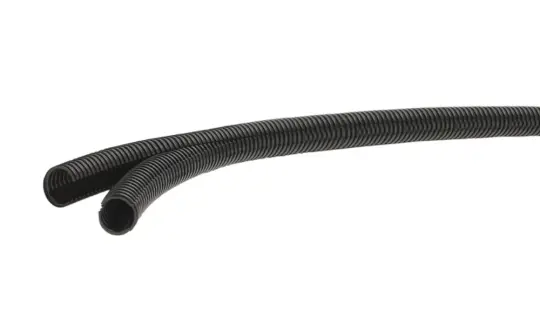
2.5 Cable conduits—Accessories for protecting cables from mechanical damage
The primary function of conduit is to protect electrical wiring from physical damage and environmental exposure. In a solar system, conduit encloses the wiring that connects the panels to the inverter, battery storage, and the grid. This protective layer helps prevent the wear and tear that can lead to system faults or failures.
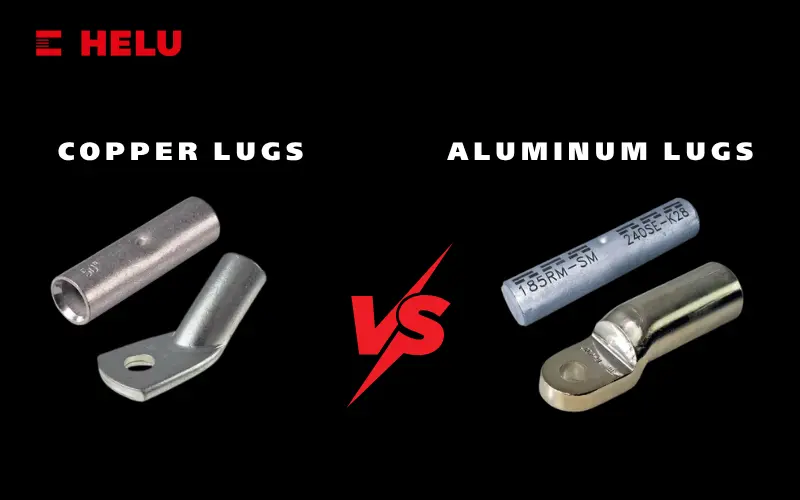
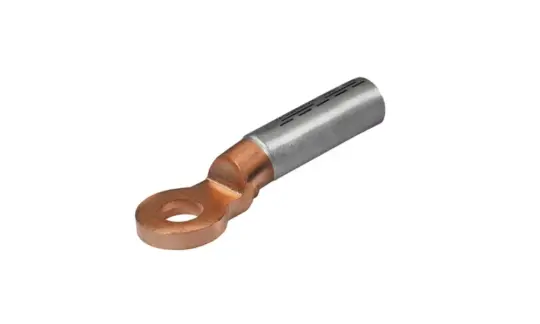
2.6. Cable lugs – Solar accessories that ensure safety during connection
Solar power systems require reliable electrical connections that can withstand decades of outdoor exposure while maintaining optimal electrical conductivity. Cable lugs are a critical connection point in these systems—linking solar panels to inverters, charge controllers, and battery banks.
Solar panels are installed in open environments, where rain, humidity, large temperature swings, and salty air can all cause problems. The moisture in these conditions triggers electrochemical reactions that lead to corrosion — this is where bimetallic lugs come in.
In a large solar array, bimetallic lugs play a critical role. At the system's combiner box, the output of every string is gathered before feeding into the inverter. Power systems commonly use aluminum cable because it's inexpensive and lightweight. But when aluminum cable connects to a copper busbar, two different metals come into direct contact — this causes galvanic corrosion and reduces the system's power output over time. Bimetallic lugs are designed specifically to solve this problem, keeping every connection durable, safe, and efficient.
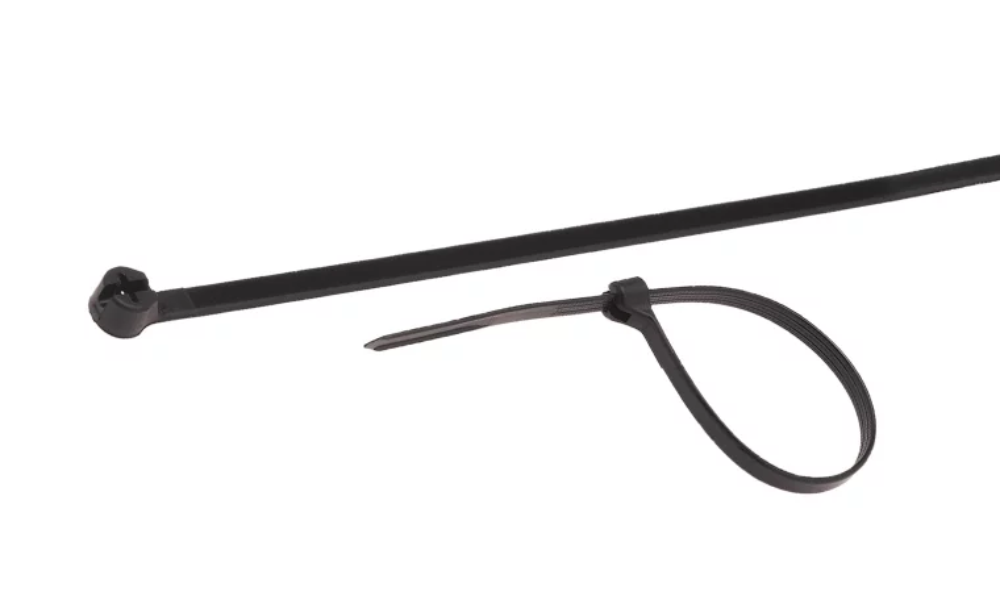
TY-MX UV-resistant cable ties
2.7 Cable ties – PV accessories that keep your system neat and tidy
This accessory keeps the cable system tidy and prevents wear from friction over time. Choosing cable ties for a solar system depends on several factors: outdoor sun/rain exposure, cable routing, panel layout, mounting rail type, cable bundle size, future inspection needs, and the project's expected service life.
Depending on the installation location, cable ties are used in a variety of ways:
- On rooftop systems, cable ties keep wiring neat underneath the panels and along the mounting rails.
- On ground-mounted systems, cable ties handle outdoor cable management for utility and commercial-scale arrays.
- Underneath the panels, cable ties bundle cables neatly, reducing loose movement over time.
- Around the inverter and combiner box, cable ties keep cable runs organized and easy to inspect during maintenance.
- At roof edges, cable ties securely fasten cables near rails, trays, and edge cable routes.
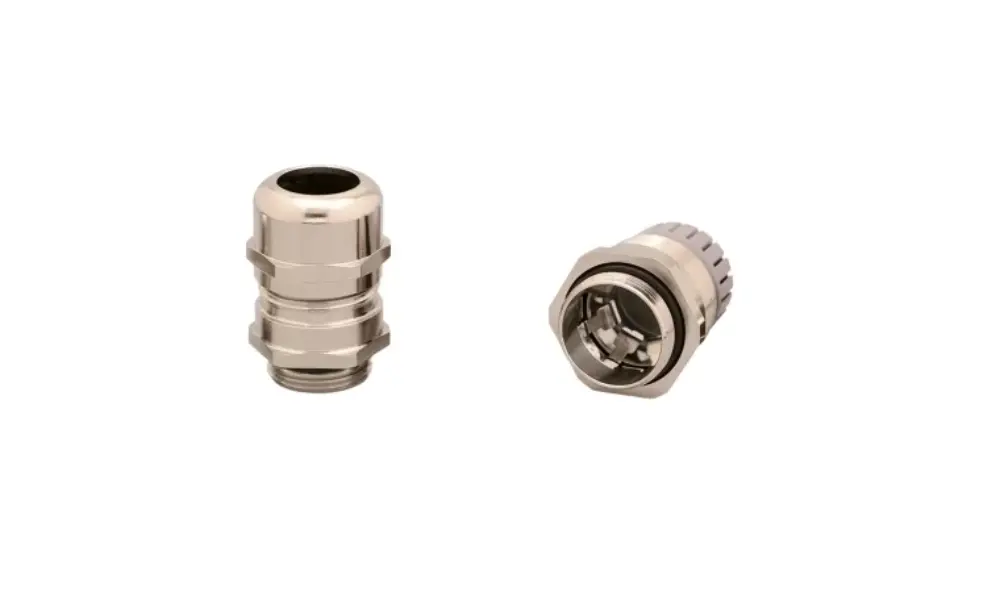
Solar Power Accessories: Nickel-Plated Copper Cable Clamp, EMC Interference Protection—HELUTOP HT-MS-EP4
2.8 Cable glands– Solar power accessories that seal cable ends
This is a mechanical fastener used to secure and seal the end of a cable where it passes through the wall of an electrical enclosure, junction box, or inverter housing. The primary function of a cable gland is to keep water and dust out of the sensitive electronics inside, while also reducing the mechanical stress (strain relief) on the connection point caused by thermal expansion or vibration.
For outdoor installation systems, cable glands must ensure:
- A minimum protection rating of IP66 or IP68 for adequate water sealing — lower ratings don't guarantee long-term safety.
- Material suited to the environment: UV-resistant nylon/PA66 works well for residential rooftop systems, while brass or stainless steel suits industrial environments, high heat, or coastal areas better.
- Thread size (M16/M20/M25) matched to the actual DC cable cross-section (4–6mm² cable typically uses M20 or M25 threads).
2.9 Installation tools — Ensuring proper installation
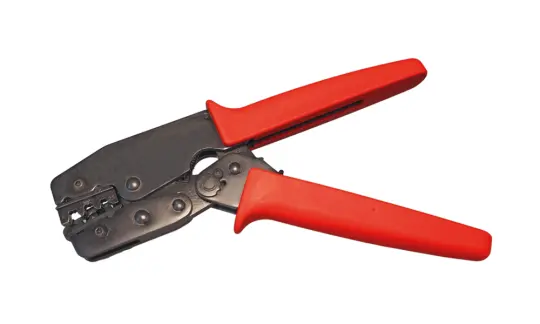
A specialized toolkit used when installing solar power systems, typically including a dedicated MC4 crimping tool, DC cable strippers, and cable cutters. These tools ensure that connecting and tightening tasks are done with the correct force and technique before the system is switched on.
2.10 Junction box
A junction box is the sealed enclosure mounted on the back of a solar panel, housing the bypass diodes, output terminals, and pre-attached cables ending in MC4 connectors. This is the critical electrical interface connecting the panel's internal cell circuit to the external DC wiring. For outdoor installations, junction boxes must carry an adequate water/dust protection rating — typically IP65 or higher.
2.11 Mounting system
The mounting frame is a PV accessory used to secure panels to a roof, the ground, or a building structure — most commonly an extruded aluminum rail. On rooftops, the frame is usually lightweight and uses roof hooks; for large ground-mounted systems, the frame typically combines steel posts set in concrete with aluminum rails supporting the panels above.
2.12 Surge Protection Devices (SPDs) for PV systems
A surge protection device (SPD) is designed to detect voltage spikes, then either divert or absorb the excess energy so it never reaches sensitive components in the system. SPDs are essential for preventing surges from causing irreparable damage to key parts such as the inverter, charge controller, battery storage, and wiring. Depending on the severity of the surge, the SPD either absorbs the energy — clamping the voltage to a safe level — or redirects it to ground.
3. Some criteria to consider when selecting PV accessories
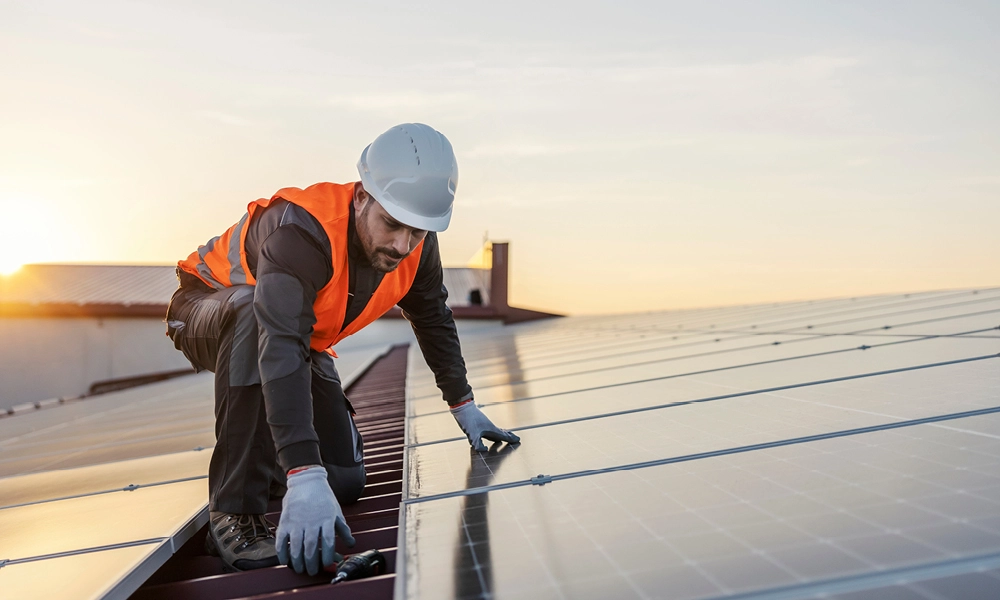
Solar panel accessories must be able to withstand weather conditions and be compatible with the entire system
Choosing the right accessories doesn't just ensure safe operation — it directly affects investment and maintenance costs over the system's entire lifespan.
3.1 Material and durability
Material is the first thing to consider when choosing accessories for a solar system, since most accessories must operate continuously outdoors for years. For electrical accessories (connectors, junction boxes, housings), choose UV-resistant plastic to prevent brittleness and cracking after prolonged sun exposure — especially important given Vietnam's hot, rainy climate.
3.2 Compatibility with the panels and the whole system
Accessories can't be chosen arbitrarily — they need to be technically compatible with the entire system, from the panels and inverter to battery storage (if present). One common installation mistake is using cable with a smaller cross-section than required. When a cable can't carry the load properly, its resistance rises, and the current flowing through it generates excessive heat. This doesn't just heat the entire cable run — it's especially dangerous at the MC4 contact point, where resistance concentrates.
💡What do DC wire cross-sections of 4 mm², 6 mm², and 10 mm² mean for a PV system?
3.3 Brand, origin, and technical standards
A product's origin says a lot about its quality and reliability. Favor accessories from established brands with clear technical documentation, rather than choosing based on price alone.
Beyond that, each type of accessory has its own technical requirements, certified by international organizations. Look for products that meet the relevant international standards and certifications (IEC, UL, TÜV, etc.).
3.4 Cost and a trustworthy supply source
Cost matters, but a lower price doesn't necessarily mean real savings — evaluate the total cost of ownership, including replacement and maintenance costs, rather than comparing only the upfront purchase price. Choosing a reliable supplier with guaranteed product quality matters far more than choosing cheap, unbranded accessories.
There are various unbranded solar accessories from unknown manufacturers in the market, sold well below the price of genuine parts. Technically, the biggest risk lies in compatibility and long-term durability.
4. HELU accessories for photovoltaic systems
HELU is a German-origin manufacturer of industrial cables and accessories, with an extensive product range for solar power systems. See our product lineup below:
| Accessories | Functions | Featured products |
| DC cables | DC current from the battery to the inverter |
SOLARFLEX®-X H1Z2Z2-K SOLARFLEX®-X H1Z2Z2-K NTS HELUPOWER® SOLARFLEX®-X PREMIUM |
| AC power cables | AC power from the inverter to the electrical panel/grid |
NYY-J / NYY-O H07RN-F N2XS2Y |
| Communication cables | Transmitting monitoring signals between the inverter and the data logger |
PAAR-TRONIC-Li-2YCYv HELUCOM® A-DQ(ZN)B2Y HELUKAT® 600A CAT.7e S/FTP PVC STATIC |
| MC4 connectors | Connecting the solar panels and cables | MC4 – Evo 2A |
| Conduits | Mechanical protection for cables |
HELUCOND PA6-UL HELUCOND CO-PA HELUCOND PA12 |
| Cable lugs | Accessories for safe connections |
HELU-S-PK-AL-FG-VZN HELU-S-PV-AL/CU HELU-S-PK-AL/CU |
| Cable ties | Bundle and fastenthe cables neatly | TY-MX |
| Tools | Crimp an MC4 connector, tightening to the specified torque | WK-APW 18 Hydraulic Hand Press , HELUTOOL D20 Cable Shear , Photovoltaic Toolbox |
| Cable glands | Seal tightly; reduce stress at the cable entry point through the cabinet |
HELUTOP HT-MS-EP4 HSK-PVDF HELUTOP Easy |
5. Real-world projects using HELU Vietnam PV accessories
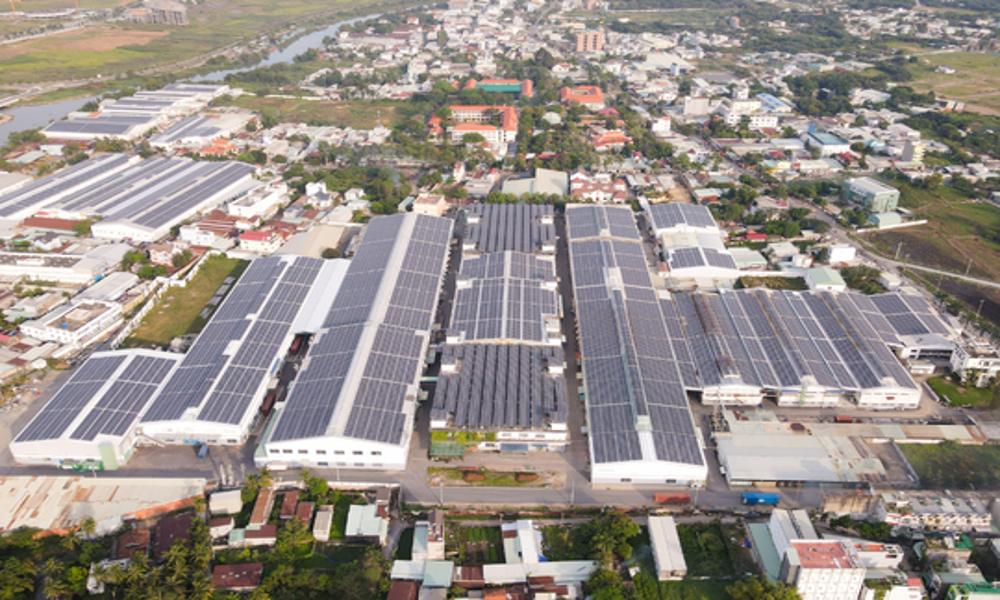
HELU Vietnam partnered with Solartek on a solar power installation project at the Tai Loc Industrial Park (District 9, Ho Chi Minh City)
Project 1: Rooftop solar system at Tai Loc Industrial Park (District 9, Ho Chi Minh City)
Tai Loc Industrial Park — managed by Tai Loc Transport Construction and Production Co., Ltd. — is one of the older industrial parks in Ho Chi Minh City, established in 1993. In 2020, the company decided to install a rooftop solar power system to support production, aiming for cost savings, energy independence, and environmental sustainability.
HELU Vietnam supplied DC and AC cable solutions for the entire solar system and advised on selecting cable types suited to harsh outdoor weather conditions, ensuring stable signal transmission. As of the project's most recent record (2022) — roughly two years into operation — the system continues to run stably with good performance.
Learn more about the project for Tài Lộc Company’s rooftop solar power system
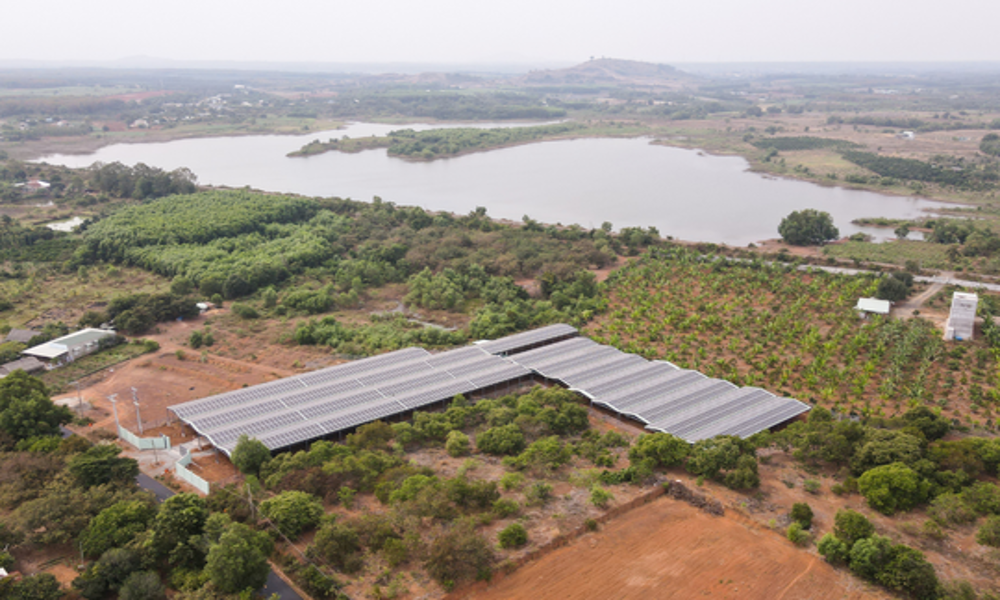
The solar power project at the mushroom farm in Long Tan, Ba Ria–Vung Tau, uses power cable solutions from HELU Vietnam
Project 2: Mushroom farm in Long Tan, Ba Ria - Vung Tau
HELU Vietnam also partnered with SolarTek Joint Stock Company on a solar power project at a mushroom farm in Long Tan, using HELU Vietnam's cable solutions for the system. Mr. Ly Nguyen Tan Dat, Technical Director at SolarTek — an engineer with 12 years of experience in solar power — says that since 2017–2018, for projects from 100kWp upward, he has trusted HELU's certified cable products.
Contact HELU Vietnam today for consultation and a product quote
6. FAQs
Includes solar power cables, MC4 connectors, junction boxes, mounting brackets/frames, conduit, and UV-resistant cable clamps, as well as grounding accessories. See Section 2 above for details on each item .
In addition to the solar panels and inverter, the system requires, at a minimum, standard-compliant DC cables, MC4 connectors from the same manufacturer, junction boxes suitable for the installation environment, and a properly installed grounding system.
Prices depend on the system size, brand, and technical specifications of each type of component. Please contact HELU Vietnam directly to receive an accurate quote based on your specific project requirements.
You should choose a supplier that provides clear technical specifications (datasheets), has complete CO/CQ certifications, and is capable of offering technical advice tailored to each type of project—rather than relying solely on the selling price.
Genuine, standard-compliant accessories typically have a service life equivalent to the system’s lifespan; however, they should be inspected regularly—especially after periods of severe weather—to detect early signs of deterioration.
While the operating principles are similar, industrial systems typically have stricter requirements regarding load-bearing capacity, fire resistance, and certification—so it is important to select components appropriate for the actual scale of the project rather than using the same configuration for every project.
See solutions for each PV system: grid-tied systems , hybrid systems , and off-grid systems